Is Delhi-NCR Enduring a Cold Wave and Deteriorating Air Quality?
Synopsis
Delhi-NCR is currently facing harsh cold conditions combined with alarming pollution levels, making it a challenging time for residents. As temperatures drop and air quality worsens, experts are urging vulnerable populations to take necessary precautions. With significant AQI readings across the region and ongoing weather phenomena, the situation calls for attention and action.
Key Takeaways
Delhi-NCR is facing a severe cold wave.
Air quality has reached 'poor' levels across the region.
Strong winds are exacerbating the cold temperatures.
Residents are advised to take precautions, especially vulnerable groups.
The situation is expected to persist in the coming days.
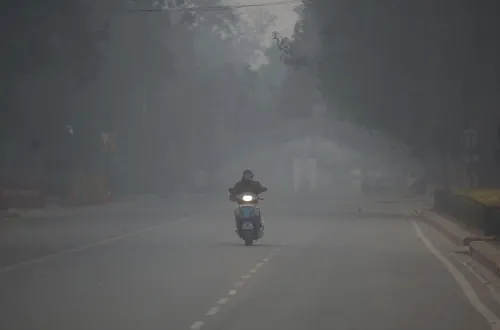
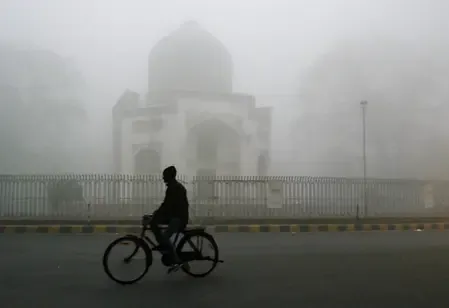
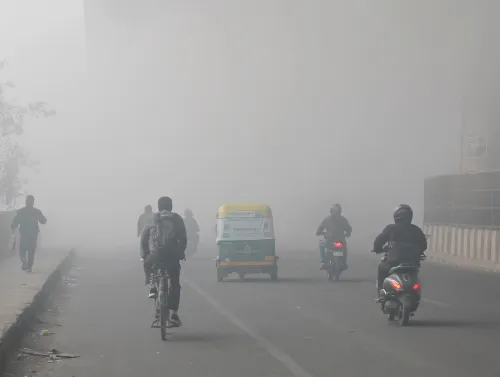
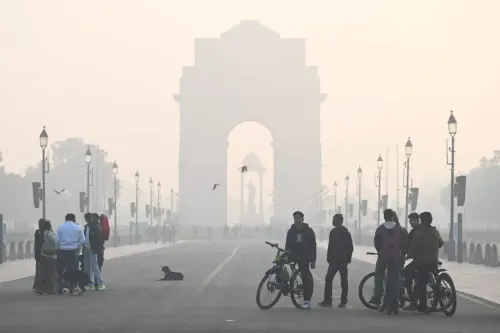
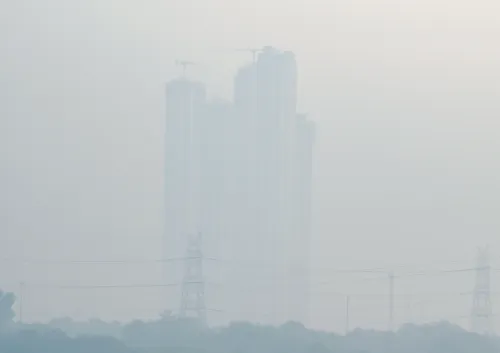
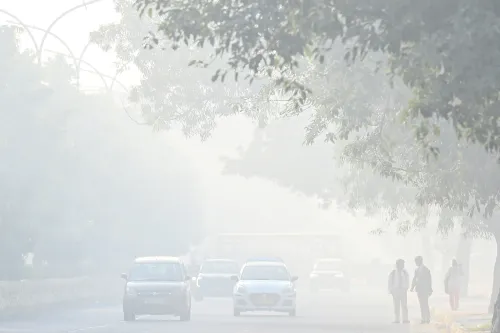
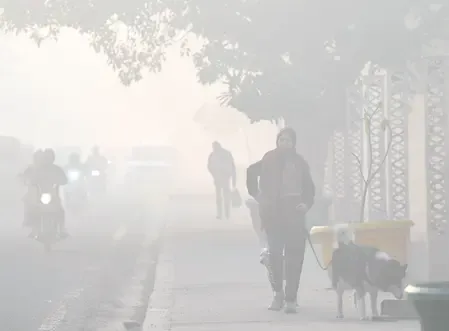
New Delhi, Jan 7 (NationPress) - The Delhi and NCR area, encompassing Noida and Greater Noida, are currently grappling with extreme cold conditions alongside elevated pollution levels on Wednesday, rendering mornings especially difficult for inhabitants. Fierce winds have exacerbated the chill, while air quality has plummeted into the “poor” category throughout most regions, raising significant public health alarms.
At 7 a.m., Delhi noted an AQI of 302, with numerous areas entering the critical red zone, and several spots reporting figures exceeding 350.
The AQI metrics from Noida and Greater Noida underline the severity of the crisis. Noida Sector 116 recorded 327, Sector 125 at 312, Sector 1 at 315, and Sector 62 at 274. In Greater Noida, Knowledge Park 5 logged 328, while Knowledge Park 3 showed an AQI of 296.
Previously, on Tuesday, the city registered an AQI of 310 at 4 p.m. According to the CPCB, 28 monitoring stations reported “very poor” AQI, nine indicated “poor” AQI, and a single station recorded “moderate” AQI.
Additionally, Delhi experienced its initial cold day of the year on Tuesday, with maximum temperatures notably decreasing, injecting a palpable chill into the national capital.
On Wednesday morning, dense fog impacted various airports nationwide, resulting in flight delays, although the repercussions in Delhi-NCR were relatively minor. Meteorologists clarified that fog traps pollutant particles near the ground, extending exposure time and exacerbating air quality issues.
The India Meteorological Department (IMD) announced that maximum temperatures in the region ranged from 13 degrees Celsius to 16 degrees Celsius.
Residents, particularly children, the elderly, and those suffering from respiratory ailments, are being urged to take necessary precautions and minimize outdoor activities. With strong winds persisting and pollution levels remaining elevated, the chilling temperatures and poor air quality are projected to continue affecting Delhi-NCR in the upcoming days.
Point of View
It's crucial to address the ongoing weather crisis in Delhi-NCR. The current cold wave and poor air quality are distressing for our residents, and it's imperative that we advocate for health precautions and community awareness. Our focus must be on ensuring public safety and fostering a proactive response from authorities to mitigate these challenges.
NationPress
27 Oct 2026
Frequently Asked Questions
What is the current AQI in Delhi?
As of 7 a.m. on January 7, Delhi recorded an AQI of 302, indicating poor air quality.
What are the health risks associated with high pollution levels?
High pollution levels can lead to respiratory issues, cardiovascular problems, and other health complications, particularly for vulnerable groups.
How can residents protect themselves from the cold wave?
Residents are advised to wear warm clothing, limit outdoor activities, and keep their living spaces warm to protect against the cold.
What caused the poor air quality in Delhi-NCR?
The combination of strong winds and fog has trapped pollutant particles close to the ground, worsening air quality.
What precautions should vulnerable populations take?
Children, the elderly, and individuals with respiratory issues should stay indoors as much as possible and avoid strenuous outdoor activities.