Is Delhi's Pollution Crisis in the 'Very Poor' Category Set to Continue?
Synopsis
As Delhi battles persistent smog and alarming pollution levels, residents face rising health concerns. With the Air Quality Index soaring into the 'very poor' and 'severe' categories, how will this affect daily life and well-being in the capital? Discover the latest updates on air quality and health advisories that every Delhiite should know.
Key Takeaways
Delhi's air quality is currently in the 'very poor' category.
Narela reported the highest AQI of 418.
Health concerns are heightened among vulnerable populations.
Moderate fog is expected, affecting visibility.
Temperature ranges from 9 to 21 degrees Celsius.
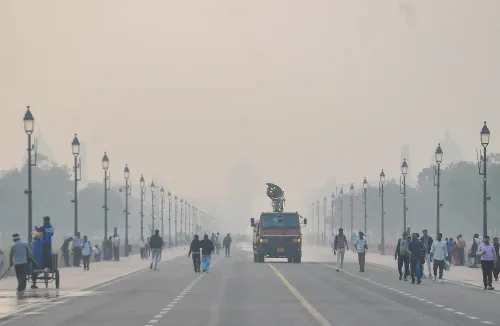
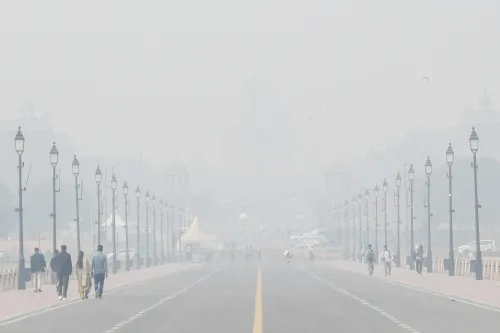
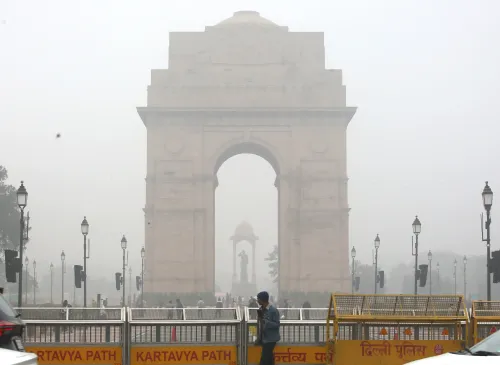
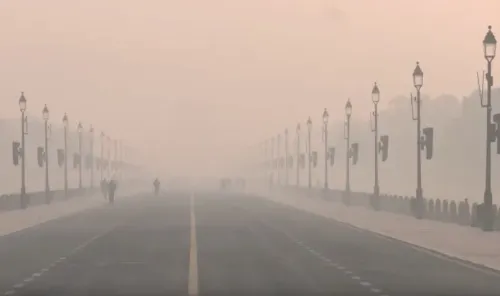
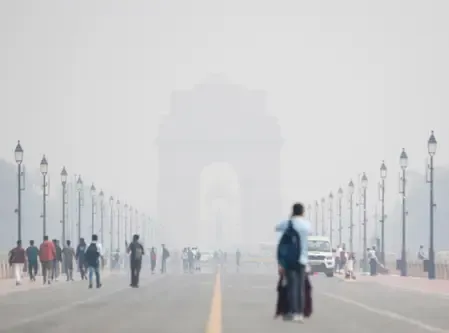
New Delhi, Dec 22 (NationPress) The national capital is still grappling with dense smog this Monday morning, as air quality remains classified in the “very poor” category, with numerous areas plunging into the “severe” pollution levels.
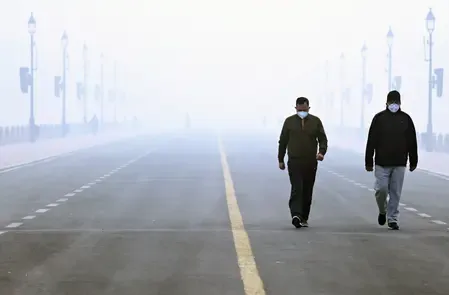
This worsening situation has once again sparked health anxiety among residents and disrupted regular daily routines throughout the city.
According to the Sameer app's data, Delhi’s average Air Quality Index (AQI) stood at 366 around 7:05 a.m. The Narela monitoring station reported the most alarming air quality, registering an AQI of 418, the highest recorded in the city for Monday. Other areas, including Anand Vihar, Bawana, Jahangirpuri, Mundka, Rohini, and Wazirpur, faced severe air quality with AQI values ranging from 401 to 408.
Even the areas with the least pollution did not offer relief. Dilshad Garden, the best among the 40 monitoring stations, logged an AQI of 301, still falling into the “very poor” category.
The Central Pollution Control Board (CPCB) defines AQI levels between 301 and 400 as “very poor”, while levels from 401 to 500 are categorized as “severe”. Such pollution levels are known to cause respiratory issues, especially in vulnerable groups like children, the elderly, and individuals with pre-existing health conditions.
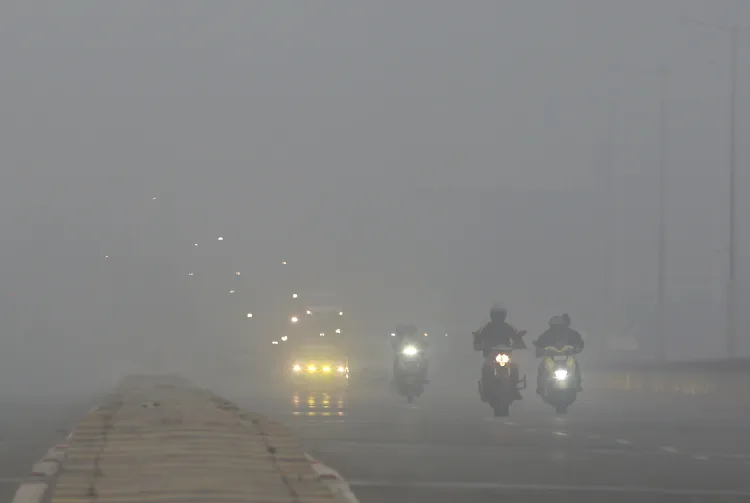
The thick smog has also impaired visibility throughout the national capital, leading to a passenger advisory from Delhi’s Indira Gandhi International (IGI) Airport. In a statement posted on social media at 7 a.m., airport authorities mentioned that low-visibility protocols were activated, although flight operations continued as usual. Passengers were urged to check with their airlines for the latest updates, as delays might occur due to weather conditions.
Meanwhile, the India Meteorological Department (IMD) has predicted moderate fog throughout the day. The maximum temperature in Delhi is forecasted to be around 21 degrees Celsius, with a minimum likely to hover near 9 degrees Celsius.
On Sunday, the city recorded a minimum temperature of 9.4 degrees Celsius, which is 1.3 degrees above the seasonal average. The maximum temperature reached 18.1 degrees Celsius, contributing to the chilly and polluted atmosphere prevailing in the national capital.
Point of View
I must emphasize the ongoing environmental crisis in our capital. The persistent pollution levels not only affect our health but also hinder daily activities and quality of life. It's imperative for citizens to stay informed and take necessary precautions while urging authorities to implement effective measures for cleaner air.
NationPress
23 Sept 2026
Frequently Asked Questions
What is the current air quality index in Delhi?
As of this morning, Delhi's average Air Quality Index (AQI) is recorded at 366, indicating 'very poor' air quality.
What areas in Delhi are facing severe pollution?
Areas such as Narela, Anand Vihar, Bawana, Jahangirpuri, Mundka, Rohini, and Wazirpur are experiencing severe pollution levels with AQI readings between 401 and 418.
What health risks are associated with poor air quality?
High pollution levels can lead to respiratory issues, particularly affecting children, the elderly, and those with pre-existing health conditions.
How is the weather expected to be today in Delhi?
The India Meteorological Department forecasts moderate fog with a maximum temperature around 21 degrees Celsius and a minimum near 9 degrees Celsius.
What precautions should residents take during high pollution days?
Residents should limit outdoor activities, wear masks if going outside, and keep windows closed to reduce indoor pollution exposure.