Did Delhi Achieve Its Best Air Quality in Seven Years in 2025, Excluding COVID?
Synopsis
In 2025, Delhi achieved a historic low in PM2.5 and PM10 levels, marking the best air quality in seven years, excluding the COVID-19 year. The significant rise in 'Good' and 'Satisfactory' AQI days showcases the effectiveness of air quality management strategies. Could this be a turning point for Delhi's air pollution crisis?
Key Takeaways
Delhi's air quality significantly improved in 2025.
Lowest PM2.5 and PM10 levels recorded since 2018.
79 days classified as 'Good' or 'Satisfactory' AQI.
CAQM played a vital role in policy enforcement.
Winter pollution spikes remain a challenge.
New Delhi, Dec 31 (NationPress) In 2025, Delhi experienced a remarkable enhancement in its air quality, achieving the lowest average concentrations of PM2.5 and PM10 in the last seven years, excluding the year impacted by COVID-19 in 2020, as per official statistics. This year also marked the highest frequency of days classified as 'Good' to 'Satisfactory' on the Air Quality Index (AQI) since 2018, aside from 2020.
According to the data, 2025 recorded a total of 79 days with AQI values ranging from 0 to 100, placing them in the 'Good' and 'Satisfactory' categories. This figure is the second-highest since 2020, during which pandemic restrictions significantly lowered pollution levels. In comparison, the number of such days in 2024 was 66, 61 in 2023, and 53 in 2018.
The Commission for Air Quality Management (CAQM), which was established in 2021 for the National Capital Region and surrounding areas, credited this improvement to ongoing policy actions and consistent enforcement. Since its establishment, CAQM has issued numerous directives, advisories, and orders aimed at curbing pollution sources, along with year-round coordination among various stakeholders.
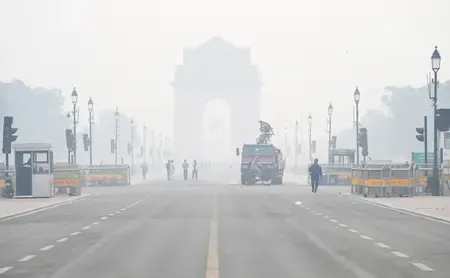
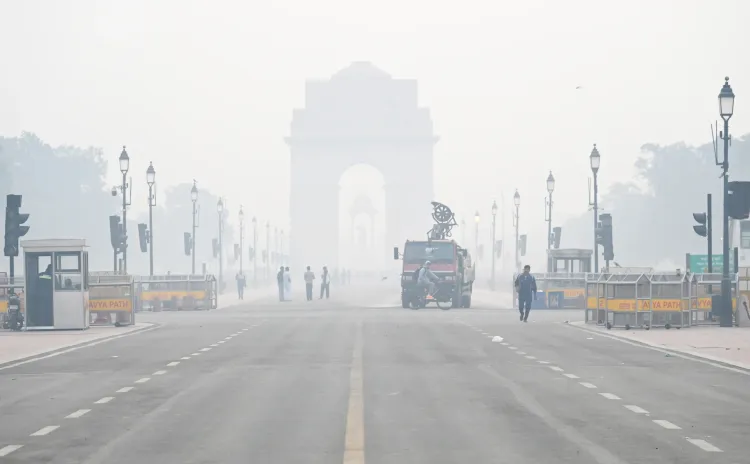
Despite facing difficult meteorological conditions, 2025 only had eight days classified as 'Severe to Severe+', marking the second-lowest count since 2018. This is a significant decrease from 2019, which recorded 25 such days. Officials noted that stagnant wind conditions and adverse weather in December 2025 resulted in a high monthly average AQI of 351, but this did not negate the overall improvement achieved throughout the year.
Each month of February and July 2025 marked the lowest average AQI for these periods since 2018, even surpassing the figures from the COVID year. Additionally, January, May, and June 2025 showed the second-lowest average AQI levels in the past seven years, excluding 2020.
Annual statistics further emphasize this trend, with Delhi's average AQI in 2025 recorded at 201, the lowest since 2018, apart from 2020. For context, the average AQI was 209 in 2024, 204 in 2023, and 225 in 2018.
Levels of particulate matter also displayed improvements. The daily average PM10 concentration in 2025 was 197 µg/m³, down from 212 µg/m³ in 2024 and 241 µg/m³ in 2018. Similarly, the daily average PM2.5 levels dropped to 96 µg/m³ in 2025, compared to 104 µg/m³ in 2024 and 113 µg/m³ in 2018. Only the year 2020 noted lower averages.
Officials indicated that these advancements are a result of persistent enforcement, targeted measures, and long-term strategies for pollution control, despite seasonal and meteorological challenges that continue to affect winter air quality.
“With ongoing field-level efforts and quantified policy initiatives in the short, medium, and long term, Delhi’s air quality is expected to exhibit further gradual, yet significant improvements year on year,” officials stated.
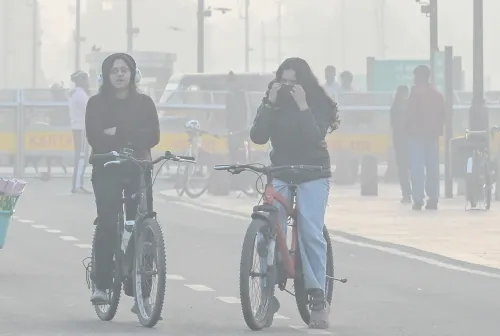
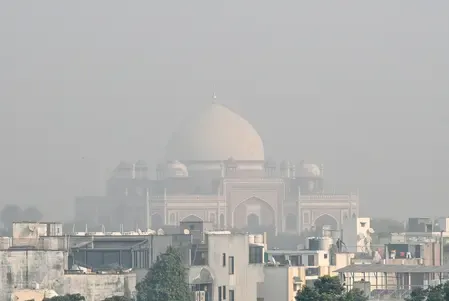
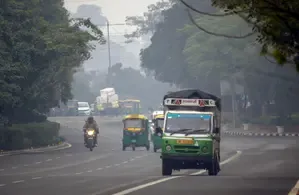
While experts caution that winter pollution spikes remain a concern, the data from 2025 suggests that structural measures are beginning to yield tangible results for the air quality in the national capital.
Point of View
I emphasize the importance of recognizing the significant strides made in improving air quality in Delhi. The data from 2025 reflects a commitment to sustainable practices and policy enforcement. It is crucial for us as a society to continue supporting these initiatives while remaining vigilant about the persistent challenges posed by winter pollution. Our collective efforts will determine the future of air quality in the national capital.
NationPress
2 Oct 2026
Frequently Asked Questions
What was Delhi's air quality like in 2025?
In 2025, Delhi recorded the lowest average PM2.5 and PM10 levels in seven years, excluding the COVID-19 year, and had the highest number of 'Good' to 'Satisfactory' AQI days since 2018.
How many days were classified as 'Good' in 2025?
Delhi recorded 79 days in 2025 with AQI values between 0 and 100, placing them in the 'Good' and 'Satisfactory' categories.
What contributed to the improvement in air quality?
The improvement in air quality is attributed to sustained policy measures, consistent field-level action, and effective coordination among stakeholders by the Commission for Air Quality Management.
What were the average AQI levels in 2025?
The average AQI in Delhi for 2025 was 201, the lowest since 2018, excluding 2020.
Are there ongoing challenges with air quality?
Yes, while significant improvements have been made, experts warn that winter pollution spikes remain a concern.