UN chief urges Iran-US talks resumption as 60-day MoU deadline expires
Synopsis
The 60-day clock set by the Iran-US memorandum of understanding has run out with no deal, and the UN Secretary-General is now publicly urging both sides to step back from military rhetoric. Trump's claim of 'total control' over the Strait of Hormuz — and veiled warnings toward Oman — suggest the stakes have moved well beyond a nuclear negotiation.
Key Takeaways
UN Secretary-General Antonio Guterres urged Iran and the US to resume talks immediately after the 60-day MoU deadline expired on 18 August .
UN spokesman Stephane Dujarric said Guterres insists 'there is no military solution to this conflict.' President Donald Trump said Iran wants a deal but will not accept the terms he considers necessary.
Trump claimed the US has 'total control' over the Strait of Hormuz via a naval blockade and floated declaring it US territory.
Trump issued a pointed warning toward Oman , reportedly involved in efforts to keep the strait open jointly with Iran.
The June 17 MoU allowed for a deadline extension 'with mutual consent' — no confirmed extension has been announced.
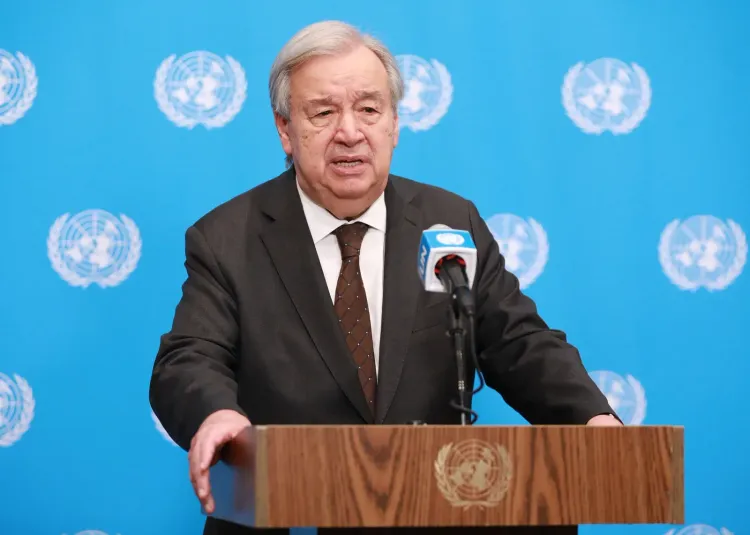
UN Secretary-General Antonio Guterres has called on Iran and the United States to immediately resume negotiations toward a peaceful and durable settlement, as the 60-day deadline under the June 17 Iran-US memorandum of understanding (MoU) expired on Monday, 18 August without a final deal in place. The appeal was conveyed by UN spokesman Stephane Dujarric at a press briefing.
Guterres's Message to Both Sides
Dujarric made clear that the Secretary-General's position has remained consistent throughout the standoff. 'His message is the same, which he's been delivering since the start, which is there is no military solution to this conflict,' Dujarric said.
'He urges the Islamic Republic of Iran and the United States to resume negotiations toward a peaceful and durable settlement as soon as possible, to avoid military action and as well to lower the rhetoric that we've been hearing in recent days,' Dujarric added. The call to lower rhetoric signals growing concern at the UN over escalating language from both capitals in recent days.
What the MoU Stipulated
The June 17 MoU committed both Washington and Tehran to 'negotiating and achieving the final deal in maximum 60 days, extendable with mutual consent.' That window closed on Monday without a confirmed extension or a concluded agreement, leaving the diplomatic framework in an uncertain state.
Trump's Position After the Deadline
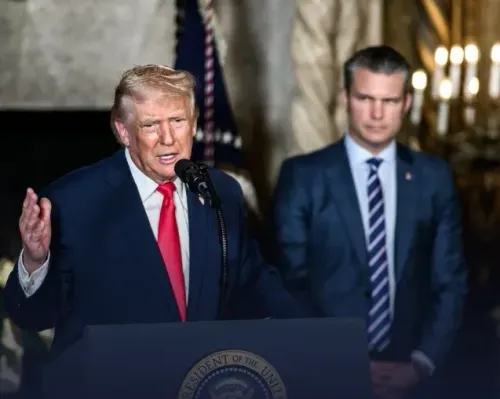
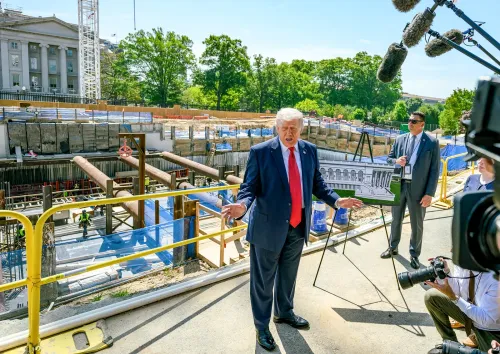
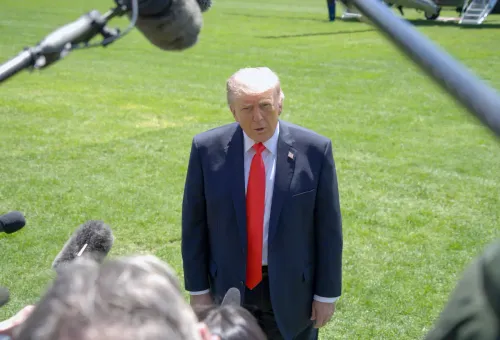
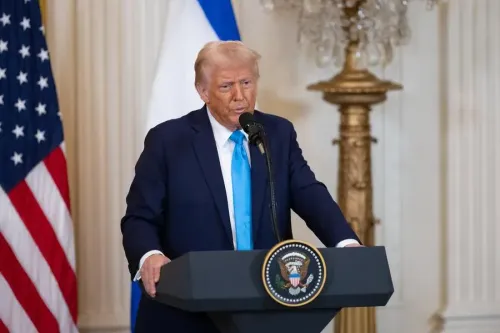
US President Donald Trump, speaking to reporters at the White House on Monday (US local time), acknowledged that Iran was seeking an agreement but said Tehran was unwilling to accept the terms he considers necessary. 'They want to make a deal, but they're not going to make the kind of a deal that I feel is necessary,' Trump told reporters.
Trump reiterated that preventing Iran from acquiring a nuclear weapon remained Washington's core objective. 'You understand that Iran cannot have a nuclear weapon, and they won't have a nuclear weapon,' he said. 'It's very simple. They can't have a nuclear war.'
Strait of Hormuz and Naval Blockade Claims
Trump also claimed that the United States had 'total control' over the Strait of Hormuz through a naval blockade against all Iranian ports, and repeatedly floated the idea of declaring it American territory. 'We control it (the strait) with the blockade. And I like the idea of declaring it a territory,' Trump said. 'We have total control over the Strait now.'
Trump also directed pointed remarks at Oman, which is reportedly working with Iran on a plan to keep the strait open under joint oversight. 'I don't think they behaved very well, but we'd handle them very easily, just like we do others,' he said. The remarks represent a notable escalation in US posture toward a Gulf state that has historically served as a backchannel between Washington and Tehran.
What Happens Next
With the deadline lapsed and no confirmed extension, the diplomatic path forward remains unclear. The UN's public appeal underscores the international community's anxiety over a potential military confrontation. Whether both sides invoke the MoU's mutual-consent extension clause — or allow the framework to collapse entirely — is expected to become clearer in the coming days.
Point of View
Even if both sides avoid calling it one. Guterres's unusually direct public appeal suggests the UN fears the window for negotiation is narrowing fast. Trump's Strait of Hormuz remarks are the more alarming signal: conflating a nuclear negotiation with territorial ambitions over a global shipping chokepoint raises the risk of miscalculation far beyond the nuclear file. Oman's quiet mediation role, now publicly undermined by Trump, was one of the few remaining back-channels — its erosion leaves the diplomatic architecture thinner than it appears.
NationPress
18 Aug 2026
Frequently Asked Questions
Why did the UN Secretary-General call for Iran-US talks to resume?
UN Secretary-General Antonio Guterres called for the resumption of talks because the 60-day negotiating deadline set under the June 17 Iran-US memorandum of understanding expired on 18 August without a final deal. He has consistently maintained that there is no military solution to the conflict and wants both sides to lower their rhetoric.
What was the Iran-US memorandum of understanding signed on June 17?
The June 17 MoU was an agreement between the United States and Iran committing both sides to negotiate and achieve a final deal within a maximum of 60 days, extendable with mutual consent. The deadline elapsed on 18 August with no confirmed deal or extension announced.
What did President Trump say about the state of Iran negotiations?
Trump said Iran wants to reach an agreement but is unwilling to accept the kind of deal he considers necessary. He reiterated that preventing Iran from obtaining a nuclear weapon is Washington's core objective and offered no details on the current state of negotiations.
What did Trump say about the Strait of Hormuz?
Trump claimed the United States has 'total control' over the Strait of Hormuz through a naval blockade against Iranian ports and repeatedly suggested declaring it US territory. He also warned Oman, which is reportedly working with Iran on a plan to keep the strait open, saying the US would 'handle them very easily.'
What happens now that the 60-day deadline has expired?
The MoU allowed for a deadline extension with mutual consent, but no confirmed extension has been announced. The diplomatic path forward remains uncertain, with the UN publicly pressing both sides to return to the table and avoid military escalation.