Wazirabad Water Project gets ₹2,574 crore ADB nod after decade-long wait
Synopsis
Conceived in 2013 and stuck in planning for over a decade, Delhi's ₹2,574 crore Wazirabad Water Supply Improvement Project has finally secured Central government in-principle approval. With ADB funding, eight digital Command Centres, and a mandate to cut water losses, the scheme could reshape how north Delhi's taps are supplied — if execution matches ambition.
Key Takeaways
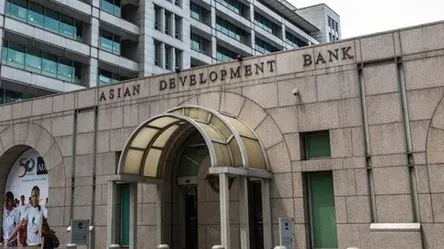
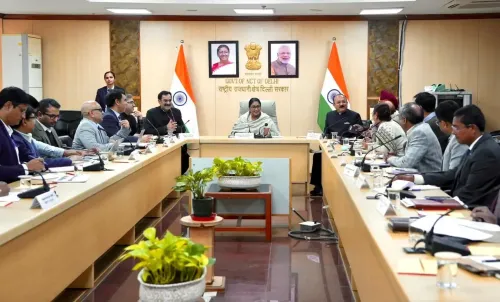
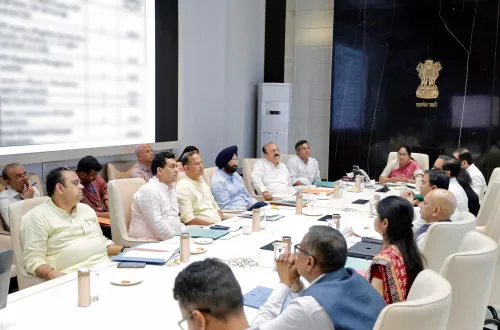
The Central government's DEA screening committee granted in-principle approval to the ₹2,574 crore ADB -assisted Wazirabad Water Supply Improvement Project on 10 August .
The project was first conceptualised in 2013 but remained stalled at the planning stage for over a decade.
The scheme covers the full water supply chain — treatment plant, transmission, distribution lines, and household connections in north Delhi .
A key focus is reducing Non-Revenue Water (NRW) losses from leakages, physical damage, and unauthorised use.
Eight interconnected Command Centres will provide real-time digital oversight of Delhi's water network across all major zones.
A construction start timeline has not yet been announced; formal ADB processing is the next step.
Delhi's long-delayed Wazirabad Water Supply Improvement Project has cleared a critical hurdle, with the screening committee of the Central government's Department of Economic Affairs (DEA) granting in-principle approval to the ₹2,574 crore Asian Development Bank (ADB)-assisted scheme. The approval, confirmed on Monday, 10 August, moves the project — first conceptualised in 2013 — from over a decade of planning limbo toward active implementation.
What the Project Covers
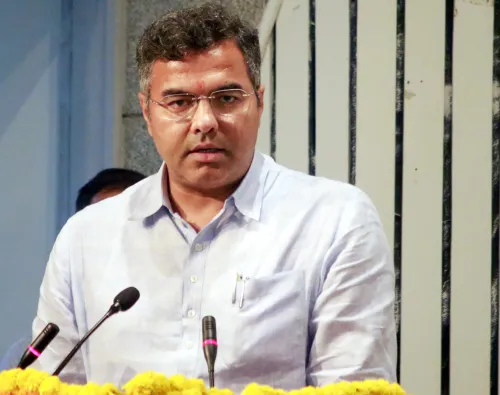
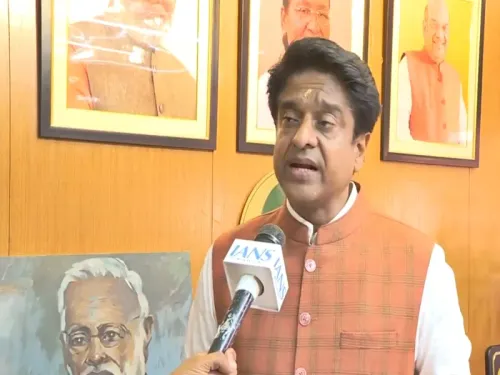
Delhi Irrigation and Flood Control Minister Parvesh Sahib Singh said the scheme addresses the complete water supply chain — from the Wazirabad Water Treatment Plant and transmission network to distribution lines and individual household connections. Old, damaged, and undersized pipelines will be replaced, and new transmission and distribution lines will be laid wherever required. Existing networks will be interconnected to improve pressure, reliability, and overall distribution performance.
Underground reservoirs, pumping infrastructure, and the broader distribution network will also be upgraded. House service connections will be improved and regularised, and areas currently without formal water access will be brought into the planned network wherever technically feasible.
Tackling Non-Revenue Water Losses
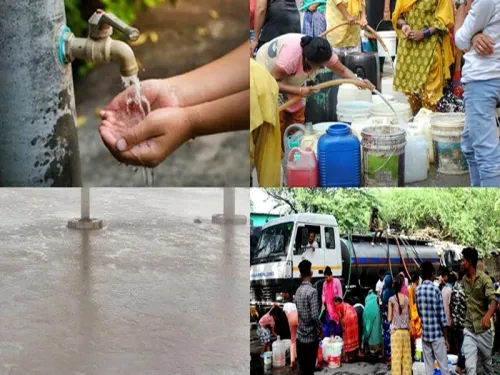
A central objective of the project is reducing Non-Revenue Water (NRW) — losses caused by leakages, physical damage, and unauthorised consumption. Minister Parvesh Sahib Singh said the goal is straightforward: 'More of the water we produce should reach the people it is meant for. We are strengthening the network from the treatment plant to the household so that Delhi gets a system that is efficient, accountable and dependable.'
NRW reduction has long been a structural challenge for Delhi's water utility, where distribution inefficiencies mean a significant share of treated water never reaches end consumers.
Eight Command Centres to Digitise the Network
A major technology component of the project is the creation of eight interconnected Command Centres covering Delhi's entire water supply system. These will span Wazirabad and Chandrawal, as well as dedicated centres for the West, South-West, East, North-East, North-West, and South Zones.
'The eight Command Centres will make Delhi's water network one connected system. Information from different parts of the city will be available together, helping us take quicker decisions and coordinate better,' the Minister said. The digital oversight layer is intended to enable real-time monitoring and faster response to supply disruptions across the capital.
A Project Revived After Years of Stagnation
The Wazirabad project was first conceived in 2013 but remained stuck at the planning stage for several years. Its revival and the latest Central government approval mark a significant shift. 'We are not planning only for today; we are building a water system that can serve Delhi for decades,' Singh said.
With DEA screening clearance now secured, the project moves toward formal ADB processing and eventual on-ground execution — though a timeline for construction start has not yet been announced.
Point of View
574 crore ADB ticket is substantial, but in-principle DEA clearance is several steps removed from a shovel in the ground — formal ADB processing, detailed project reports, and tendering still lie ahead. Delhi's water crisis is chronic and politically charged; every government has promised pipeline modernisation, and NRW losses remain stubbornly high. The eight Command Centres are a promising digital layer, but technology overlaid on a leaking network only measures the problem faster. The real test is whether execution timelines hold — or whether this joins the long list of Delhi water announcements that outlasted the governments that made them.
NationPress
25 Sept 2026
Frequently Asked Questions
What is the Wazirabad Water Supply Improvement Project?
It is a ₹2,574 crore infrastructure scheme for north Delhi, assisted by the Asian Development Bank (ADB), aimed at modernising the city's water supply chain from the Wazirabad treatment plant to household connections. The project was first conceptualised in 2013 and has now received Central government in-principle approval.
What did the Central government approve for the Wazirabad project?
The screening committee of the Department of Economic Affairs (DEA) granted in-principle approval to the ₹2,574 crore ADB-assisted project on 10 August. This clears a key procedural hurdle and moves the scheme toward formal ADB processing and implementation.
What is Non-Revenue Water and why does it matter here?
Non-Revenue Water (NRW) refers to treated water that is produced but never billed — lost through leakages, physical damage, or unauthorised consumption. Reducing NRW is a central goal of the Wazirabad project, as it would mean more of Delhi's treated water actually reaches residents.
What are the eight Command Centres planned under the project?
Eight interconnected Command Centres will provide digital, real-time oversight of Delhi's entire water supply network. They will cover Wazirabad, Chandrawal, and six zonal centres — West, South-West, East, North-East, North-West, and South — enabling faster decision-making and coordinated responses to supply issues.
When will the Wazirabad project construction begin?
A construction start date has not yet been announced. The in-principle approval from the DEA screening committee is an early procedural step; formal ADB processing and detailed project preparation are expected to follow before ground-level work can begin.