Mette Frederiksen Aims for Third Term in Denmark's Snap Election
Synopsis
On March 24, Denmark's Prime Minister Mette Frederiksen leads a snap election as she pursues a third term amid rising living costs and political challenges. With a tight race ahead, the outcome will shape Denmark's future direction.
Key Takeaways
Mette Frederiksen is seeking a third term amidst rising living costs.
The left-wing coalition holds a nine-seat lead over the right bloc.
Key issues include inflation and welfare state reforms.
The election will decide the composition of the Folketing .
The outcome will shape Denmark's political future.
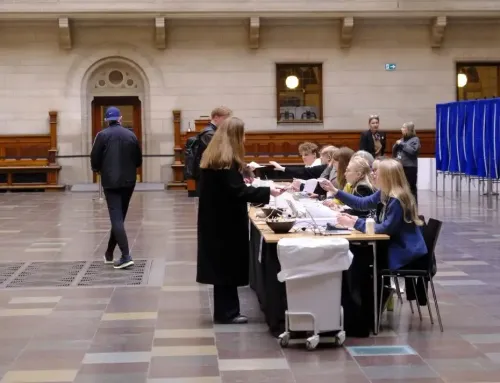
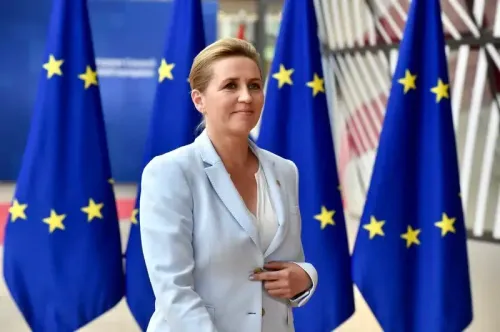
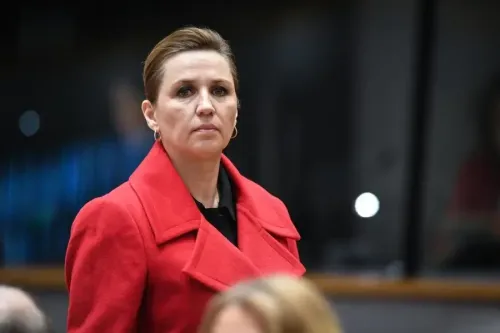
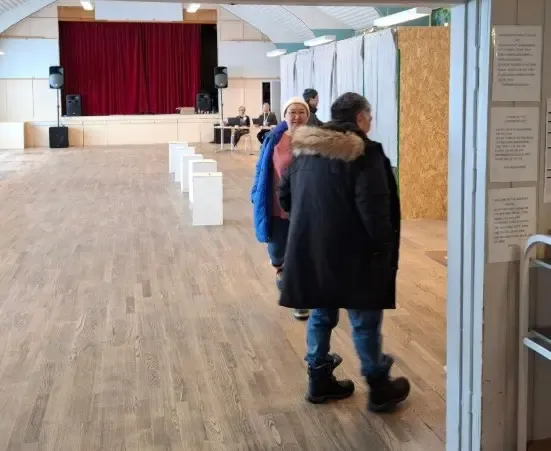
Copenhagen, March 24 (NationPress) On Tuesday, residents of Denmark are casting their votes in a snap parliamentary election initiated by Prime Minister Mette Frederiksen, who is vying for a third term.
Recent polling indicates that Frederiksen's left-wing coalition holds a nine-seat advantage over the right-wing bloc. Nevertheless, neither faction is anticipated to secure a majority of the 179 seats in Denmark's parliament, the Folketing, as reported by Euro News.
Since taking office in 2019, Frederiksen has garnered accolades for her steadfast leadership, particularly in resisting former US President Donald Trump's persistent requests to annex Greenland, a semi-autonomous territory of Denmark that Trump argues is essential for national security.
However, during her second term, Frederiksen's popularity has waned as the cost of living has surged, which, coupled with issues regarding pensions and a proposed wealth tax, has become a focal point of her campaign. She is also recognized for her strong support of Ukraine in its ongoing conflict with Russia.
Earlier this month, Frederiksen unveiled proposals that include a potential "emergency brake" on asylum seekers and stricter regulations for non-resident criminals. Her administration has also introduced a plan that would permit the deportation of foreigners sentenced to over one year in prison for serious offenses.
Two center-right contenders, Defence Minister Troels Lund Poulsen of the liberal Venstre party and Alex Vanopslagh, 34, from the opposition Liberal Alliance, aspire to succeed Frederiksen as Prime Minister, according to Euro News.
Meanwhile, the anti-immigration Danish People’s Party (DF) appears poised for a comeback following a lackluster showing in the previous election of 2022.
Interestingly, the topic of Greenland has not been a significant focus in this election campaign. Instead, the discussions have centered on domestic concerns such as inflation, elevated nitrate levels in agricultural water, and the welfare state.
During her address in the Folketing in February, Frederiksen stated that voters would determine "the direction Denmark will take over the next four years," as reported by Xinhua News Agency. The upcoming vote is crucial for deciding the composition of the 179-member parliament, which also includes representatives from Greenland and the Faroe Islands.
Point of View
With Prime Minister Mette Frederiksen facing challenges in securing a third term amidst economic concerns. As voters weigh their options, the outcome will significantly influence the country's political landscape.
NationPress
23 Sept 2026
Frequently Asked Questions
What is the reason for the snap election in Denmark?
The snap election was called by Prime Minister Mette Frederiksen as she aims to secure a third term amidst rising living costs and various domestic issues.
How many seats are there in the Danish parliament?
The Danish parliament, known as the Folketing, consists of 179 seats.
What major issues are influencing the election?
Key issues include inflation, the cost of living, pension reforms, and the proposed wealth tax.
Who are the main challengers to Mette Frederiksen?
The main challengers are Defence Minister Troels Lund Poulsen from the Venstre party and Alex Vanopslagh from the Liberal Alliance.
What role does Greenland play in this election?
Greenland has not been a major focus in the election campaign, with emphasis instead placed on domestic issues.