Deve Gowda Urges Sonia Gandhi to Address Parliament Disruptions
Synopsis
Former PM H.D. Deve Gowda has voiced his concerns over the ongoing disruptions in Parliament, particularly by Congress members. In a letter to Sonia Gandhi, he calls for restraint and respect for parliamentary decorum.
Key Takeaways
Deve Gowda's Concern: He expressed serious concerns over disruptions in Parliament.
Call for Restraint: Urged Sonia Gandhi to guide Congress members to maintain parliamentary decorum.
Legacy of Democracy: Emphasized the historical significance of India’s democratic traditions.
Parliamentary Conduct: Stressed the importance of adhering to established rules and norms.
Opposition's Role: Acknowledged the right to dissent but insisted on respect for decorum.
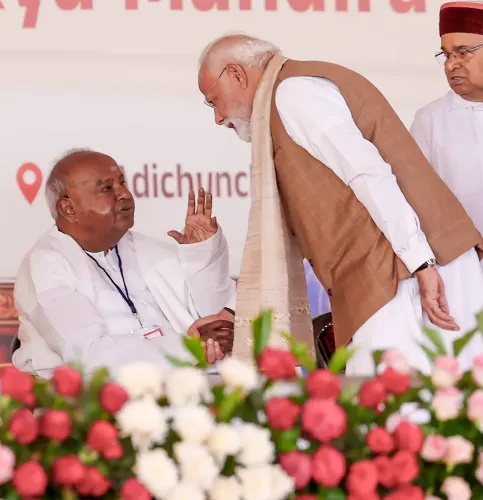
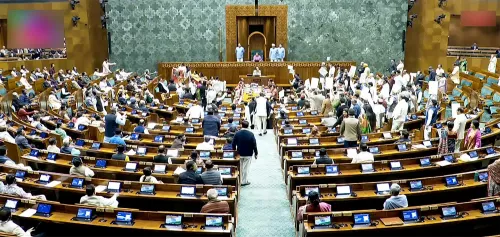
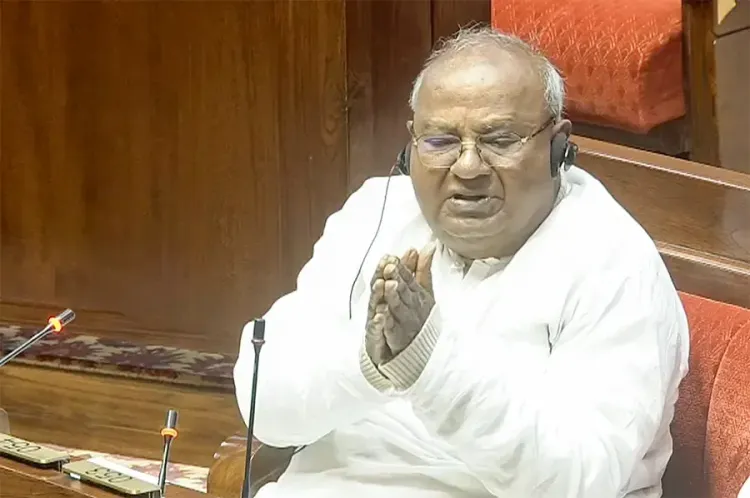
New Delhi/Bengaluru, March 16 (NationPress) H.D. Deve Gowda, the former Prime Minister and current Rajya Sabha member, has raised significant alarms regarding the ongoing disruptions in Parliament instigated by opposition parties, particularly members from the Congress.
In a letter addressed to Sonia Gandhi, the Chairperson of the Congress Parliamentary Party, he implored her to encourage party members to practice restraint and maintain the decorum of Parliament.
During the current Budget Session, Deve Gowda articulated his serious concern over what he labeled as disruptive and excessive behavior by opposition members, notably Congress MPs.
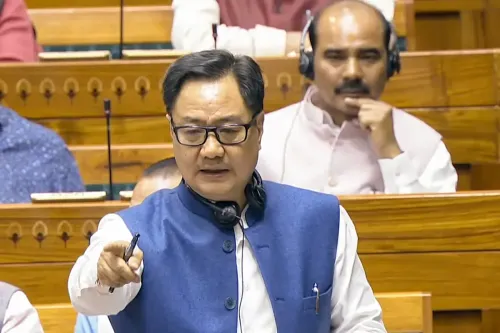
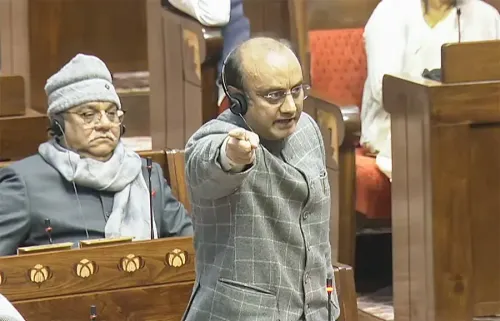
He pointed out that these members have frequently interrupted proceedings by chanting slogans both inside and outside the House, waving placards, yelling specific names, conducting protests, and forcing session adjournments.
He warned that such actions threaten the dignity of Parliament and undermine the core principles of India's parliamentary democracy.
Reflecting on his 65 years in public service, Deve Gowda noted that he has spent nearly 90% of his political career in opposition. He highlighted that Sonia Gandhi has also spent a considerable amount of time in opposition, which he believes would give her insight into the responsibilities that accompany that role.
While he acknowledged the right of opposition parties to voice dissent, he insisted that such expressions must not breach established rules, traditions, or the dignity of the parliamentary process. He expressed that the current behavior of some opposition members has caused him great distress. Throughout his time in opposition, he has always aimed to uphold parliamentary traditions and respect the dignity of the institution.
Deve Gowda expressed his hope that opposition members, especially those from the Congress, would amend their conduct to preserve the sanctity of the parliamentary system. However, he has observed that certain members continue to engage in provocative actions within the House and the Parliament complex, obstructing its functioning, which prompted him to reach out to her.
He emphasized the rich legacy of India’s parliamentary democracy, recalling that the nation's democratic principles were established by leaders like Pandit Jawaharlal Nehru, Sardar Vallabhbhai Patel, Dr. B.R. Ambedkar, and Maulana Abdul Kalam Azad.
Drawing from his extensive parliamentary experience, he noted that he had never witnessed the level of chaos and disruption that has become commonplace in recent times.
He also remarked that throughout his political journey, he has never engaged in provocative actions within Parliament, nor has he entered the Well of the House to shout slogans.
The senior leaders who laid the groundwork for India's democratic system instilled a culture of respectful parliamentary conduct and institutional reverence.
Deve Gowda further noted that the responsibilities of a Leader of the Opposition are not simple and come with considerable challenges. Opposition leaders must continually highlight the concerns of the populace to the government. However, when protests are necessary, they must be executed with proper methods and decorum. Disrespectful acts towards the Chair or violations of parliamentary norms must be avoided.
He stressed that the effectiveness of an Opposition leader lies in conducting political discourse without transgressing the boundaries set by parliamentary rules and procedures. Members of Parliament take an oath to uphold the Constitution and adhere to the established parliamentary norms. Thus, it is imperative for all members to remain dedicated to these principles.
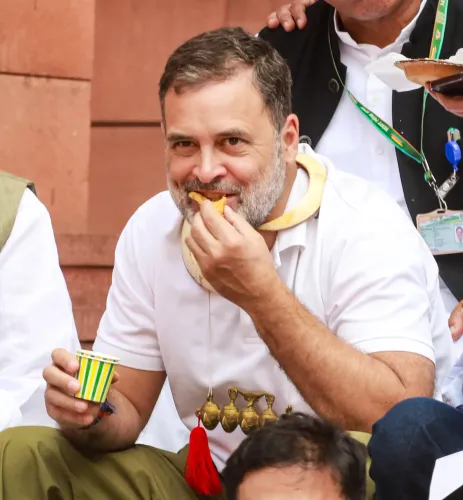
The former Prime Minister criticized the trend of holding demonstrations on the steps of Parliament, stating that sitting on the steps to consume tea and snacks is not appropriate behavior. Historically, opposition parties have exercised restraint while respecting national interests. He argued that such actions represent excessive and inappropriate forms of protest.
Reflecting on his experiences leading governments at both state and national levels, Deve Gowda pointed out that opposition parties during those times never crossed the boundaries of parliamentary propriety. Members acted with restraint and prioritized the national interest. Even during protests, they did not obstruct access to Parliament. The current scenario, he warned, poses a significant threat to the dignity of the parliamentary institution.
In conclusion, Deve Gowda expressed his hope that Sonia Gandhi would comprehend his concerns and intentions. He clarified that his aim is not to belittle anyone or to undermine the spirit of political protest. However, given her seniority, experience, and statesmanship, he urged her to engage with her party leaders and members to guide them in correcting their conduct.
He reiterated that he does not oppose protests by the Opposition and recognizes their right to express their views. Nevertheless, he cautioned that such protests should not dismantle or diminish the proud parliamentary traditions that India has collectively built over the past 75 years of democratic governance.
Point of View
The concerns raised by H.D. Deve Gowda hold significant weight, as they reflect the importance of maintaining decorum in parliamentary proceedings. The call for restraint from opposition members underscores the delicate balance necessary for a healthy democratic process.
NationPress
3 Oct 2026
Frequently Asked Questions
What prompted Deve Gowda to write to Sonia Gandhi?
Deve Gowda wrote to Sonia Gandhi to express his concerns over the persistent disruptions in Parliament caused by opposition parties, particularly Congress members.
What does Deve Gowda suggest for Congress members?
He urges Congress members to exercise restraint and uphold the decorum of Parliament.
How long has Deve Gowda been in public service?
Deve Gowda has dedicated 65 years to public service, with nearly 90% of his career spent in the opposition.
What is the significance of maintaining parliamentary decorum?
Maintaining parliamentary decorum is crucial for upholding the dignity of the institution and preserving the foundational principles of democracy.
What was the tone of Deve Gowda's letter?
The tone of Deve Gowda's letter was one of concern and a call for responsibility among opposition members.