Meta tightens CSAM controls on platforms amid MeitY discussions
Synopsis
Meta is under active regulatory engagement with India's MeitY over child sexual abuse material on its platforms — and the government has put safe harbour protection squarely on the table. With India being one of Meta's largest markets, the outcome of these talks could set a precedent for how global tech platforms are held legally accountable under Indian law.
Key Takeaways
Meta is intensifying measures to curb the spread and reappearance of child sexual abuse material (CSAM) across its platforms.
The company is in active discussions with India's Ministry of Electronics and Information Technology (MeitY) on handling illegal content.
The government has warned that platforms risk losing safe harbour protection if they fail to comply with Indian law .
Officials clarified they are not seeking to censor platforms, but are focused on legal compliance and adherence to prescribed obligations.
MeitY has also flagged addiction and exploitative content circulation as broader concerns tied to social media services.
Whether safe harbour protections apply in specific cases is ultimately a matter for Indian courts to determine.
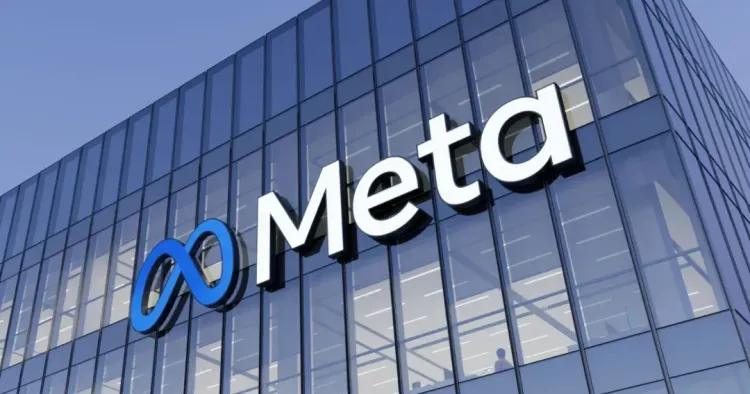
US-based technology giant Meta is intensifying its efforts to prevent the spread and reappearance of child sexual abuse material (CSAM) across its platforms, amid ongoing discussions with India's Ministry of Electronics and Information Technology (MeitY), according to reports. The engagement, which centres on Meta's handling of illegal content, reflects growing regulatory pressure on digital platforms to ensure harmful material does not resurface after removal.
What the Government-Meta Talks Cover
The discussions between Meta and MeitY have focused on the company's mechanisms for detecting, removing, and preventing the reappearance of flagged content — particularly CSAM, which constitutes a clear violation of Indian law. The ministry has reiterated that platforms will not be entitled to safe harbour protection if they fail to comply with applicable legal requirements, according to sources cited in reports.
Officials have, however, clarified that the government is not seeking to censor social media platforms. The focus remains squarely on ensuring adherence to Indian laws and fulfilling legal obligations, sources said.
Safe Harbour and Legal Accountability
The question of safe harbour protections — which shield intermediaries from liability for third-party content — has emerged as a key flashpoint. While intermediaries can potentially lose such protections for hosting prohibited content, whether those protections apply in any specific case is ultimately a matter for courts to determine, based on compliance with prescribed legal conditions.
This comes amid a broader global wave of regulatory scrutiny targeting online platforms over content moderation practices, user safety, and compliance with local laws. Notably, India is among the world's largest markets for Meta's platforms, making the outcome of these discussions particularly consequential.
Broader Concerns: Addiction and Exploitative Content
Beyond CSAM, the government has flagged addiction and the circulation of exploitative content as key concerns associated with social media services. Reports indicate that MeitY has stressed the importance of cultural context in the formulation and enforcement of content moderation policies in India.
The ministry is said to be exercising its statutory powers sparingly, remaining focused on ensuring platforms meet their legal obligations rather than overreaching into censorship. As one framing from the discussions put it, 'Platforms need to strike the right balance between social good and harms.'
What This Means for Platform Regulation in India
Meta's stepped-up measures signal a broader shift in how global tech firms are responding to sovereign regulatory demands. The company's particular caution around CSAM reflects both the severity of the legal risk and the reputational stakes involved. With regulators worldwide tightening oversight of online content, India's approach — firm on legal compliance, restrained on censorship — could serve as a model for other jurisdictions navigating the same tensions. The next phase of these discussions is expected to shape how MeitY exercises its statutory powers under India's IT framework going forward.
Point of View
Auditable compliance frameworks, or remain informal engagements that leave accountability gaps. India's IT rules already empower MeitY to act, yet the ministry's stated preference for restraint means enforcement depends heavily on platform self-regulation. That is a structural tension that no amount of goodwill in closed-door talks can resolve on its own.
NationPress
18 Aug 2026
Frequently Asked Questions
Why is Meta in discussions with India's MeitY over CSAM?
Meta is engaged with the Ministry of Electronics and Information Technology (MeitY) over its handling of child sexual abuse material (CSAM) on its platforms. The discussions focus on how Meta detects, removes, and prevents the reappearance of such content, which is a clear violation of Indian law.
What is safe harbour protection and why does it matter here?
Safe harbour protection shields online intermediaries from legal liability for third-party content hosted on their platforms. The Indian government has warned that platforms which fail to comply with applicable legal requirements may forfeit this protection, significantly raising their legal exposure.
Is the Indian government trying to censor Meta's platforms?
No. Officials have explicitly clarified that MeitY is not seeking to censor social media platforms. The focus is on ensuring platforms fulfil their legal obligations under Indian law, particularly around prohibited content such as CSAM.
What other concerns has the government raised beyond CSAM?
MeitY has flagged addiction and the circulation of exploitative content as key concerns linked to social media services. The ministry has also stressed the importance of cultural context in shaping content moderation policies for India.
How will courts factor into safe harbour decisions?
Whether safe harbour protections apply in any specific case is ultimately a matter for Indian courts to determine, based on whether the platform has complied with the prescribed legal conditions under India's IT framework.