Dhaka ranked world's most polluted city with AQI 213 on Tuesday
Synopsis
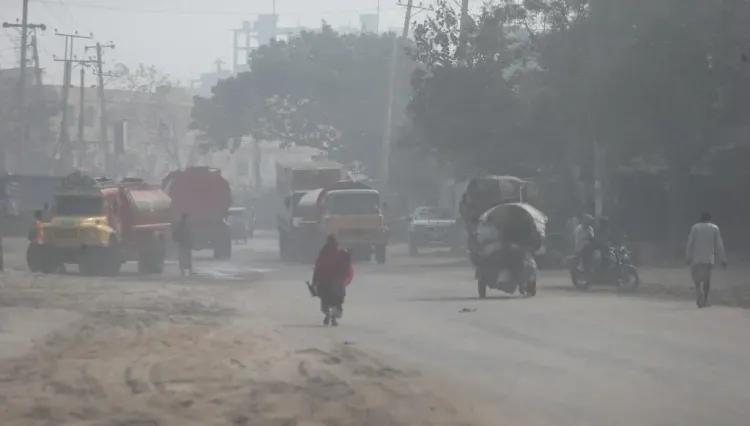
Dhaka has reclaimed the unwanted title of world's most polluted city, with an AQI of 213 on Tuesday. A Jahangirnagar University study found PM2.5 pollution kills 242 people daily across Bangladesh's six major cities and drains $23 billion from the economy every year — numbers that frame this as a crisis, not just a weather event.
Key Takeaways
Dhaka was ranked the world's most polluted city on 6 October 2026 with an AQI of 213 , rated 'very unhealthy.' Kuala Lumpur (AQI 208) and Singapore (AQI 179) ranked second and third respectively.
A Jahangirnagar University study found PM2.5 pollution causes an estimated 242 deaths per day across Bangladesh's six major cities.
Annual premature deaths from PM2.5 across Dhaka, Chattogram, Rajshahi, Khulna, Sylhet, and Barishal are estimated at 88,240 .
The economic cost of PM2.5 pollution in Bangladesh is estimated at nearly $23 billion annually .
The WHO estimates air pollution kills 7 million people globally each year, with 99% of the world's population breathing air above safe guideline levels.
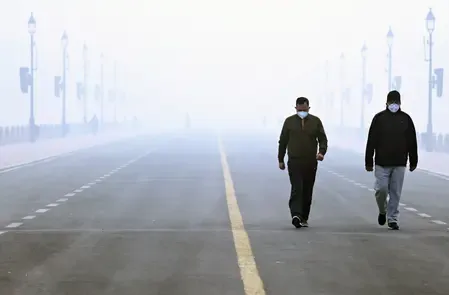
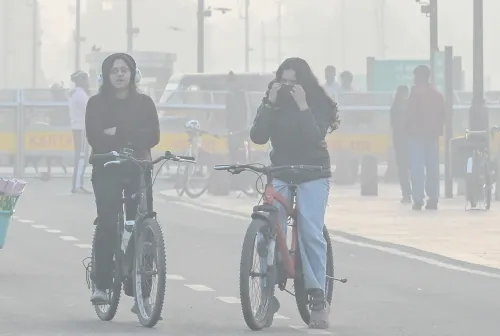
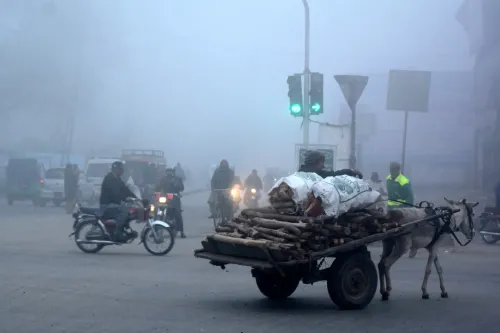
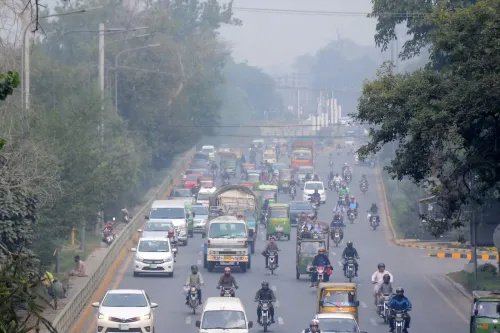
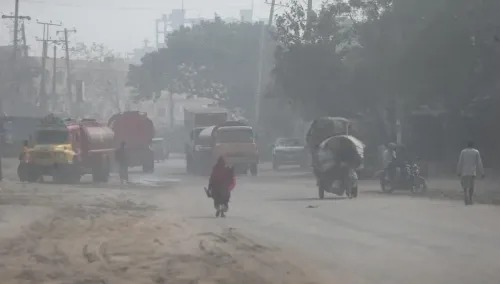
Dhaka, the capital of Bangladesh, was ranked the world's most polluted city on Tuesday, 6 October 2026, recording an Air Quality Index (AQI) of 213 at 11:10 am local time, according to local media reports. At that reading, Dhaka's air quality was categorised as 'very unhealthy' — a level that health authorities describe as a serious alert, where the general public may begin to experience adverse health effects.
Global Rankings and Where Other Cities Stand
Kuala Lumpur, Malaysia, was ranked second with an AQI of 208, while Singapore came in third at an AQI of 179. Both cities also fell within the 'very unhealthy' or 'unhealthy' range on the standard AQI scale, signalling a broader regional air quality concern across South and Southeast Asia.
Under the AQI classification system, a reading above 301 is deemed 'hazardous'; between 201 and 300 is 'very unhealthy'; between 151 and 200 is 'unhealthy'; and between 101 and 150 is considered 'unhealthy for sensitive groups.' Dhaka's reading of 213 placed it squarely in the second-most severe category.
Dhaka's Long Battle With Air Pollution
Dhaka's air quality crisis is not new. The city has grappled with severe pollution for years, with conditions typically deteriorating sharply during winter months and showing marginal improvement during the monsoon season. The AQI is calculated on five key pollutants: particulate matter (PM10 and PM2.5), nitrogen dioxide (NO2), carbon monoxide (CO), sulfur dioxide (SO2), and ozone.
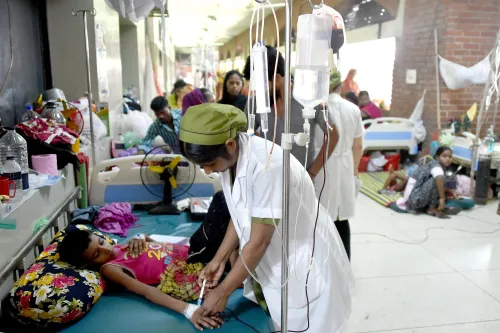
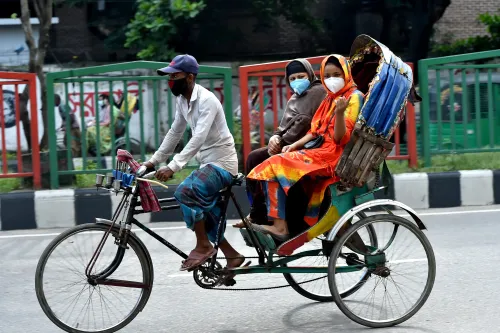
A study published in July 2026 by researchers at Jahangirnagar University, under the Climate Change, Air Quality and Health Research (C2AHR) Unit of the Department of Public Health and Informatics, found that PM2.5 pollution kills an estimated 242 people every day across Bangladesh's six major cities. Annually, PM2.5 is linked to approximately 88,240 premature deaths in Dhaka, Chattogram, Rajshahi, Khulna, Sylhet, and Barishal — roughly 260 deaths per 100,000 people. The same study estimated an economic loss of nearly $23 billion annually from PM2.5-related damage. The research analysed data from 2013 to 2021.
WHO's Global Warning on Air Pollution
The findings align with warnings from the World Health Organisation (WHO), which estimates that air pollution causes 7 million deaths globally each year, primarily from heart disease, stroke, chronic obstructive pulmonary disease, lung cancer, and acute respiratory infections. WHO data further indicates that 99% of the world's population breathes air that exceeds WHO guideline limits, with low- and middle-income nations bearing the highest pollution burden — a category in which Bangladesh squarely falls.
What This Means Going Forward
The recurring appearance of Dhaka atop global pollution rankings underscores the urgency of structural intervention — including tighter emissions controls, urban transport reform, and construction dust regulation. With winter approaching, conditions in Dhaka are expected to worsen further in the coming months, raising the stakes for both public health authorities and policymakers.
Point of View
And why construction, brick kilns, and vehicle exhaust continue to operate largely unchecked in and around the capital. The $23 billion annual economic loss figure should also focus minds beyond public health ministries: this is a macroeconomic drag that Bangladesh's development narrative cannot afford to keep ignoring.
NationPress
6 Oct 2026
Frequently Asked Questions
Why is Dhaka ranked the world's most polluted city today?
Dhaka recorded an AQI of 213 on 6 October 2026 at 11:10 am local time, placing it in the 'very unhealthy' category and topping global pollution rankings for the day. Chronic sources including vehicular emissions, construction dust, and industrial activity, combined with seasonal factors, routinely push Dhaka's air quality to hazardous levels.
What does an AQI of 213 mean for residents?
An AQI between 201 and 300 is classified as 'very unhealthy,' indicating a serious health alert where the general public — not just sensitive groups — may experience significant health effects. Health authorities typically advise limiting outdoor activity at such levels.
How many people does air pollution kill in Bangladesh each year?
A July 2026 study by Jahangirnagar University estimated that PM2.5 pollution causes approximately 88,240 premature deaths annually across Bangladesh's six major cities, or about 242 deaths per day. The study also found an economic cost of nearly $23 billion each year.
Which cities joined Dhaka in the top three most polluted rankings?
Kuala Lumpur, Malaysia, ranked second with an AQI of 208, and Singapore ranked third with an AQI of 179 on Tuesday, 6 October 2026.
When is Dhaka's air pollution at its worst?
Dhaka's air quality typically deteriorates significantly during the winter months and improves during the monsoon season, according to reports. With winter approaching, conditions are expected to worsen further in the coming weeks.