Lahore tops world pollution index with AQI of 590 on 9 November
Synopsis
Lahore hit an AQI of 590 on 9 November, claiming the title of the world's most polluted city — more than three times worse than the runner-up. With PM2.5 levels over 22 times WHO limits and an October report linking Pakistan's air pollution to 128,000 premature deaths a year, this is not a one-day anomaly but a deepening public health emergency with a 7-year life expectancy cost for Lahore residents.
Key Takeaways
Lahore recorded an AQI of 590 on 9 November 2026 , topping IQAir's global pollution ranking between 9 am and 10 am.
Lahore's pollution was more than three times that of the second-ranked city; an hourly reading as high as 647 was also recorded.
Cities of Raiwind , Faisalabad , and Multan in Punjab province simultaneously registered hazardous air quality.
A PAQI report from October found Pakistan's air pollution causes approximately 128,000 premature deaths annually and costs 6.5% of GDP .
Lahore's annual average PM2.5 is over 22 times the WHO guideline; prolonged exposure could cut city residents' life expectancy by up to 7 years .
Transport is the largest PM2.5 source in Lahore, followed by industry ( 28% ) and brick kilns ( 17% ).
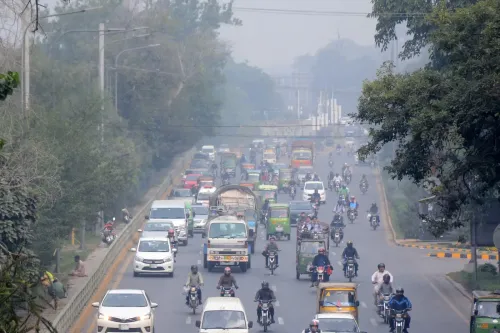
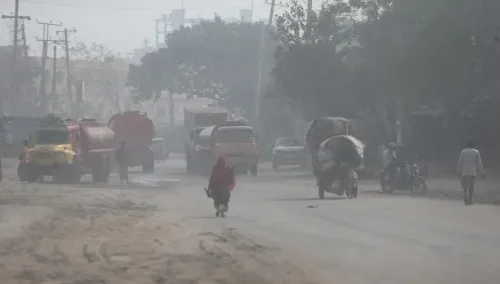
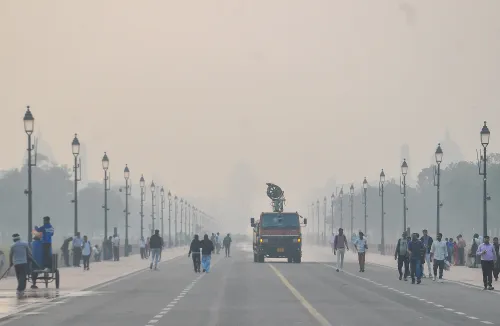
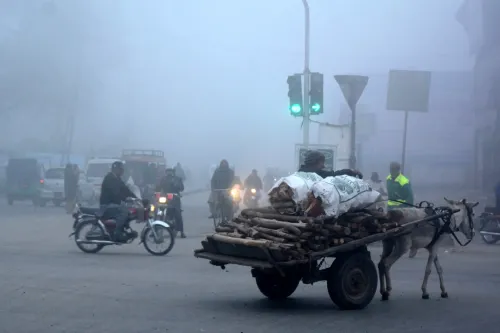
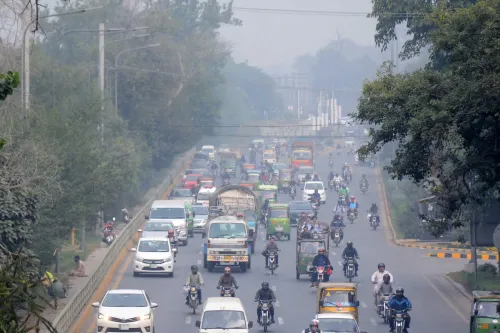
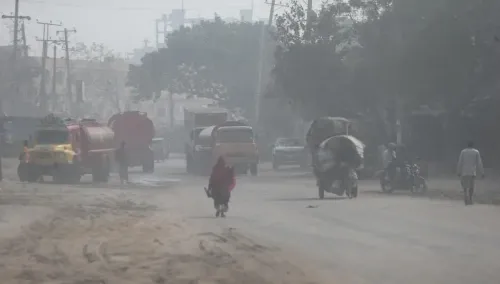
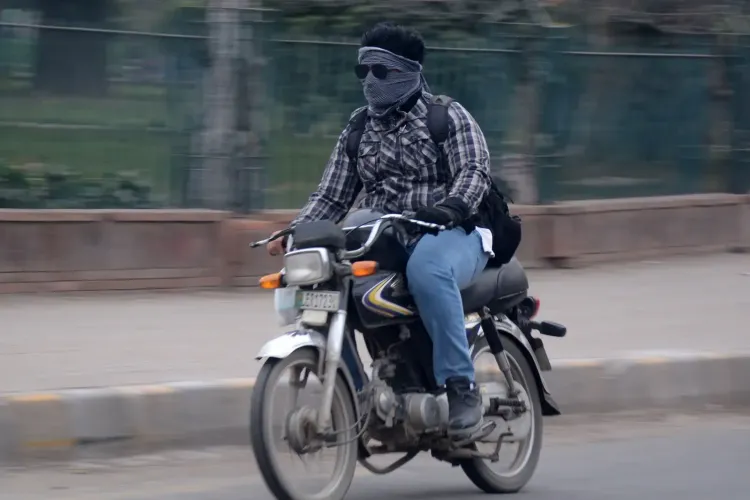
Lahore was ranked the world's most polluted city on Monday, 9 November 2026, recording an Air Quality Index (AQI) of 590 on IQAir's global rankings between 9 am and 10 am, according to local media reports. The Pakistani city's pollution level was more than three times that of the second-ranked city on the same index.
How Bad the Air Really Is
IQAir's historical air quality graph recorded an even higher hourly reading of 647 for Lahore during the same period. Beyond Lahore itself, several other cities in Pakistan's Punjab province were simultaneously experiencing hazardous air quality. According to IQAir's city-wise ranking for Pakistan, the cities of Raiwind, Faisalabad, and Multan all fell within the hazardous category alongside Lahore.
The Health Toll: Years of Life Lost
The scale of the crisis extends well beyond a single day's reading. A report released in October by the Pakistan Air Quality Initiative (PAQI) — titled 'Unveiling Pakistan's Air Pollution: A National Landscape Report on Health Risks, Sources, and Solutions' — found that air pollution cuts life expectancy in Pakistan by an estimated 3.9 years and contributes to approximately 128,000 premature deaths every year. For Lahore specifically, prolonged exposure to current pollution levels could reduce life expectancy by as much as seven years, the report warned.
The report also noted that pollution imposes an economic burden equivalent to 6.5 per cent of Pakistan's GDP. It represents Pakistan's first harmonised, multi-sector emissions inventory and covers multiple cities including Karachi, Islamabad, Rawalpindi, and Peshawar.
Key Emission Sources Identified
Lahore's annual average PM2.5 concentration stands at more than 110 micrograms per cubic metre — over 22 times the World Health Organisation's (WHO) annual guideline of 5 micrograms per cubic metre. The PAQI report identified transport as the largest source of primary PM2.5 emissions in the city, followed by industry at 28 per cent and brick kilns at 17 per cent. The pollutants assessed include carbon dioxide, fine particulate matter (PM2.5), nitrogen oxides (NOx), and sulphur dioxide (SO2).
Winter weather conditions are known to further aggravate particulate pollution in Lahore, trapping smog closer to ground level — a seasonal pattern that makes the November spike especially severe.
What Could Help
The PAQI report identified targeted interventions that could reduce emissions across the assessed urban airsheds by as much as 50 per cent, though implementation timelines and policy commitments from Pakistan's provincial and federal governments were not detailed in the report. The findings are likely to intensify pressure on Punjab's authorities to accelerate action on vehicle emissions standards, industrial regulation, and the brick kiln sector as the winter smog season deepens.
Point of View
Unregulated industry, and an entrenched brick kiln economy that provincial authorities have repeatedly failed to reform. The PAQI report's finding that pollution already costs Pakistan 6.5% of GDP should reframe this as an economic emergency, not just an environmental one. Yet the cycle repeats every winter: readings spike, alarm is expressed, and structural change stalls. The real question is whether Pakistan's federal and Punjab governments will treat the PAQI roadmap — which claims interventions could cut emissions by 50% — as a binding policy agenda or another shelved document.
NationPress
9 Nov 2026
Frequently Asked Questions
Why is Lahore the world's most polluted city right now?
Lahore topped IQAir's global ranking on 9 November 2026 with an AQI of 590, driven by vehicle emissions, industrial output, and brick kiln pollution compounded by winter weather that traps smog near ground level. The city's annual average PM2.5 concentration exceeds 110 micrograms per cubic metre — more than 22 times the WHO guideline.
What does an AQI of 590 mean for public health?
An AQI above 300 is classified as hazardous, meaning the air poses serious health risks even for healthy individuals. At 590, residents face acute respiratory risk; the PAQI report estimates that prolonged exposure to Lahore's pollution levels can reduce life expectancy by up to seven years.
Which other Pakistani cities are also affected?
Beyond Lahore, the cities of Raiwind, Faisalabad, and Multan in Punjab province were simultaneously registering hazardous air quality on IQAir's city-wise ranking as of 9 November 2026.
What does the PAQI report say about Pakistan's overall air pollution crisis?
The October 2026 PAQI report found that air pollution in Pakistan causes roughly 128,000 premature deaths annually, cuts average national life expectancy by 3.9 years, and imposes an economic cost of 6.5% of GDP. It is Pakistan's first multi-sector national emissions inventory and covers Karachi, Islamabad, Rawalpindi, Lahore, and Peshawar.
What are the main sources of pollution in Lahore and can they be reduced?
Transport is the largest source of primary PM2.5 in Lahore, followed by industry at 28% and brick kilns at 17%. The PAQI report identifies targeted interventions that could reduce emissions across assessed urban airsheds by up to 50%, though no government implementation timeline has been announced.