Is Lahore the Most Polluted City in the World?
Synopsis
Lahore has been declared the world's most polluted city, with alarming AQI levels surpassing 300. This situation highlights the urgent environmental challenges Pakistan faces, including climate risks and socio-economic vulnerabilities exacerbated by severe air pollution and extreme weather.
Key Takeaways
Lahore is the most polluted city globally with AQI levels over 300.
Severe air pollution poses significant health risks.
Environmental challenges in Pakistan are escalating.
Immediate action is needed to address climate change and pollution.
Public awareness and policy changes are crucial for improvement.
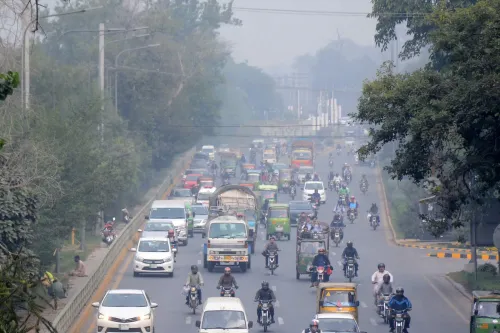
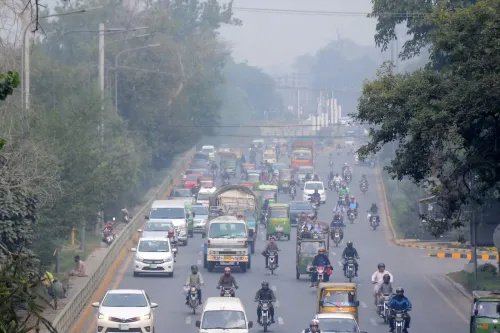
Islamabad, Dec 10 (NationPress) Lahore has achieved the dubious distinction of being the most polluted city globally, with an Air Quality Index (AQI) exceeding 300, as reported by the Swiss air quality monitoring organization IQAir. The air quality has been described as extremely unhealthy in various regions across Pakistan, according to local media reports on Wednesday.
With an AQI of 353, Lahore secured the top position among the world’s most polluted urban areas. Quetta, with an alarming AQI of 517, was recorded as the most polluted city in Pakistan during the morning hours.
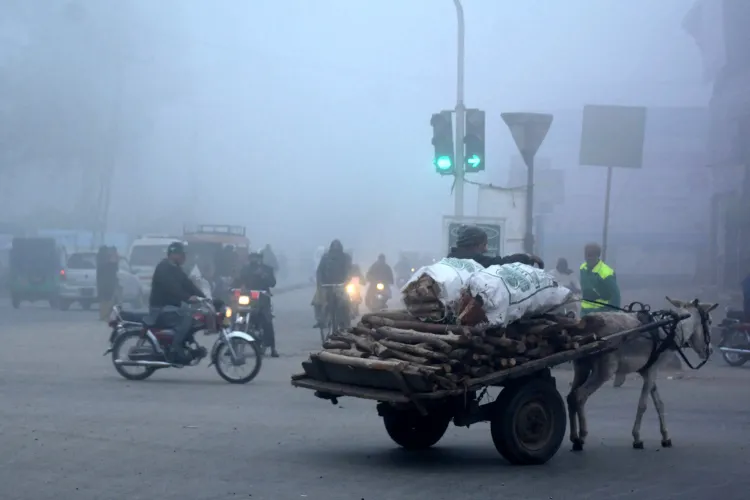
Air quality readings indicated unhealthiness in Rahim Yar Khan, Gujranwala, and Faisalabad, while dense fog blanketed the plains of Khyber Pakhtunkhwa and southern Punjab, leading to poor visibility on highways, as mentioned by ARY News.
Several sections of motorways were closed due to this poor visibility.
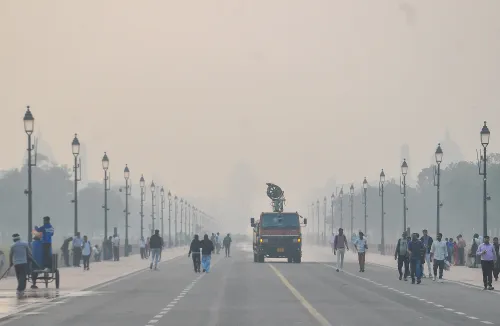
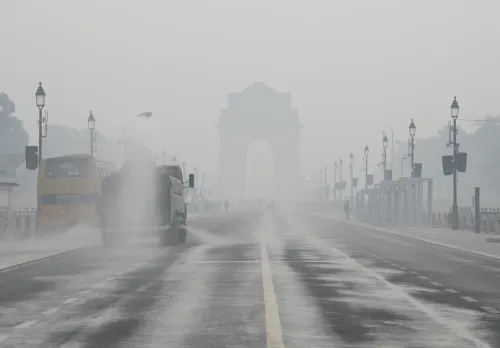
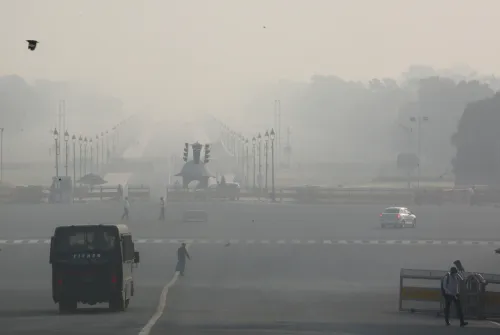
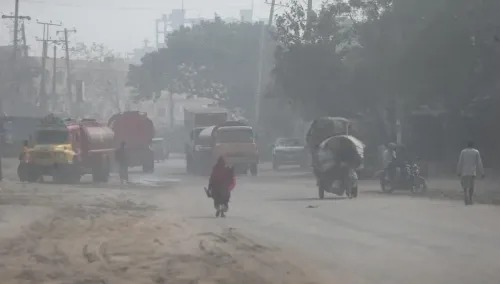
In early 2024, Lahore was engulfed in smog, a hazardous mix of fog and pollutants, primarily caused by low-quality diesel emissions and smoke from seasonal agricultural burning, coinciding with a drop in temperatures.
Pollution levels in Lahore have previously soared to over 80 times the safety limits established by the World Health Organization (WHO).
A report from November highlighted that Pakistan, with a low Human Development Index (HDI) of 0.544—placing it 168th in the world—and a 15th position in the Climate Risk Index 2026, grapples with significant socio-economic and environmental challenges that successive administrations have struggled to address.
These challenges are compounded by increasing rainfall in catchment areas, which accelerates siltation in major dams, thereby reducing water storage capacity and heightening flood risks.
Rising temperatures exacerbate heat and water stress, particularly in arid and semi-arid regions, adversely affecting agricultural productivity.
Simultaneously, air pollution from transportation, industry, and agriculture contributes to smog, which disrupts aviation, diminishes visibility, and leads to respiratory diseases.
Abdul Waheed Bhutto, a prominent figure with extensive publications on renewable energy, climate change mitigation, and sustainable resource management, shared insights in The Diplomat.
In his article, Bhutto noted, "The country's diminishing forest cover continues to shrink, while coastal ecosystems are threatened by saline water intrusion in the Indus Delta—jeopardizing mangroves, fisheries, and agriculture. Rising sea levels and intensifying cyclonic activity pose further risks to coastal communities, while escalating disputes over water sharing, public health crises, and climate-induced migration highlight Pakistan's extreme vulnerability."
The Indus Basin is undergoing severe stress due to over-extraction and climate change, with NASA ranking it as the world’s second-most overstressed aquifer in 2015, cautioning that ongoing groundwater depletion could worsen regional water shortages.
Major cities in Pakistan, including Lahore, Karachi, and Islamabad, persistently face hazardous smog.
The economic repercussions of extreme weather events further intensify the crisis in Pakistan.
Point of View
It's vital to recognize the systemic environmental challenges Pakistan is facing. The alarming air quality levels in Lahore not only jeopardize public health but also highlight the urgent need for effective policies addressing pollution and climate change. The nation's struggle with these issues necessitates a unified approach to safeguard our future.
NationPress
19 Sept 2026
Frequently Asked Questions
What is Lahore's current Air Quality Index (AQI)?
Lahore's current AQI exceeds 300, marking it as the most polluted city in the world according to IQAir.
What are the main causes of pollution in Lahore?
The primary causes include low-grade diesel emissions, smoke from agricultural burning, and industrial emissions.
How does air pollution affect public health?
Air pollution can lead to respiratory diseases, reduced visibility, and overall health risks for the population.
What steps can be taken to improve air quality in Lahore?
Implementing stricter emissions regulations, promoting public transport, and increasing green spaces can help improve air quality.
What are the broader implications of Lahore's pollution levels?
The ongoing pollution crisis reflects larger socio-economic challenges and environmental vulnerabilities in Pakistan.