Should PM Modi Address Pakistan's Extremist-Controlled Nuclear Arsenal?
Synopsis
In a bold appeal, Sindhi leader Shafi Burfat urges PM Modi to highlight the threats posed by Pakistan’s extremist-controlled nuclear arsenal, warning of state-sponsored terrorism and regional instability. This urgent call raises concerns about global security and the need for collective action against radicalisation.
Key Takeaways
Shafi Burfat calls for international attention to Pakistan's extremist-controlled nuclear arsenal .
The appeal highlights risks of state-sponsored terrorism .
Burfat emphasizes the need for global action against radicalization .
Pakistan's military is viewed as a dangerous influence on regional stability.
Urgent action is necessary to ensure global peace .
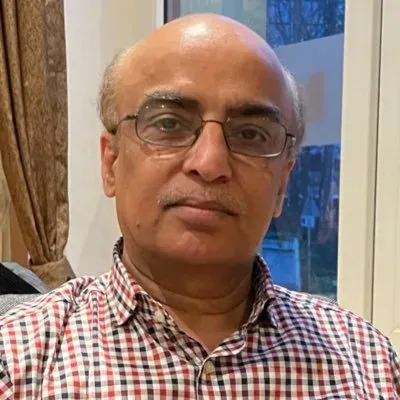
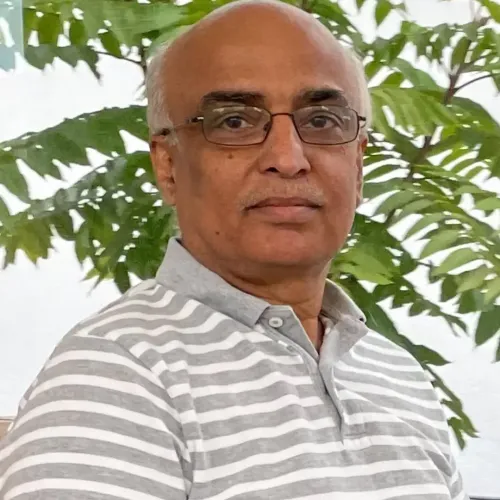
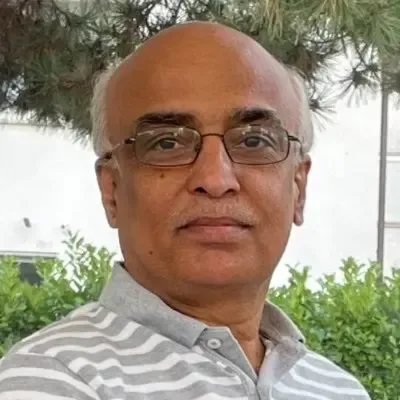
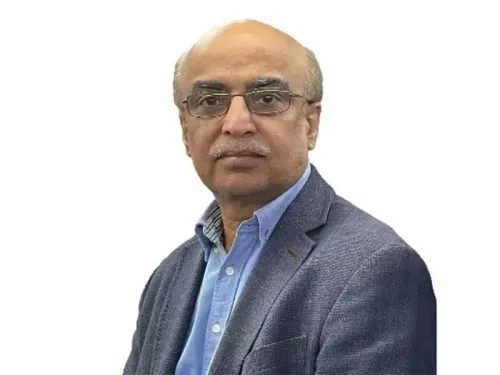
Berlin, Dec 10 (NationPress) Shafi Burfat, the Chairman of the Jeay Sindh Muttahida Mahaz (JSMM), has called on Prime Minister Narendra Modi to highlight what he refers to as Pakistan's “extremist-controlled nuclear arsenal” during international discussions, aiming to bring global scrutiny to Islamabad's state-sponsored terrorism and radicalisation.
In his comprehensive appeal, Burfat stated, “With profound respect and an unwavering dedication to peace, dignity, and regional stability, I present this detailed plea on behalf of the people of Sindh, an ancient civilization, a unique nation, and a populace currently suffering under Pakistan's militarised, extremist-driven, and artificially imposed state system.”
He emphasized, “This appeal is not just a political declaration. It serves as a warning. It is a clarion call for humanity. It represents a nation fighting for its survival amid an oppressive, radicalised, and perilously unstable state.”
Burfat pointed out that Sindh faces a severe existential threat due to Pakistan's “extremist, militarised, and fundamentally corrupt state apparatus.” He warned that with the “radicalised, jihadist-influenced military elite” managing nuclear capabilities through opaque and irresponsible means, the situation poses risks not only to Sindh but also to broader regional and global stability.
He expressed alarm, stating that the escalating nuclear peril under Pakistan’s “radicalised” military goes beyond the potential for extremist groups to acquire nuclear arms. Instead, Burfat declared, “the disturbing reality is that extremism now resides at the highest levels of Pakistan's military hierarchy.”
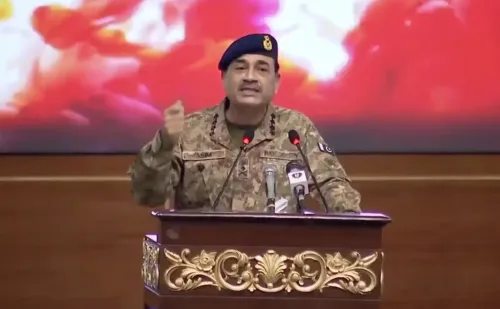
Furthermore, he accused the Pakistani Army Chief Asim Munir of embodying an “openly radicalised ideological orientation, a jihadist-influenced perspective, and a deeply confrontational mindset.”
He insisted, “Under such leadership, Pakistan's nuclear weapons lack security. They are not managed rationally. They are vulnerable to ideological exploitation. They pose a significant threat to both regional and global peace.”
Burfat charged the Pakistani military establishment with utilizing “religious extremism” as an official tool of state strategy for decades, resulting in the creation and funding of jihadist groups, training militants for cross-border terrorism against India, and bolstering extremist networks in the Kashmir region.
He asserted that a stable future for the region is unattainable as long as Pakistan’s “extremist state structure and its harmful presence” continue to jeopardize neighboring nations, regional stability, and humanity as a whole.
In conclusion, he urged, “The civilised world must expose, confront, and dismantle this perilous system. Until Pakistan’s extremism, terrorism, and reckless nuclear stance are eradicated, its existence will persist as a continual threat to the region and global peace.”
Point of View
It is imperative to recognize the gravity of Shafi Burfat's appeal. His concerns about Pakistan’s extremist-controlled nuclear arsenal demand serious consideration. The potential risks to regional stability and global security require a nuanced and vigilant approach from the international community.
NationPress
23 Sept 2026
Frequently Asked Questions
Who is Shafi Burfat?
Shafi Burfat is the Chairman of the Jeay Sindh Muttahida Mahaz (JSMM), a political leader advocating for the rights of the Sindhi people.
What is the main concern raised by Burfat?
Burfat is concerned about Pakistan's extremist-controlled nuclear arsenal and its implications for regional and global security.
What does Burfat urge PM Modi to do?
Burfat urges PM Modi to address Pakistan's nuclear threats and state-sponsored terrorism in international forums.
Why is Burfat's appeal significant?
The appeal is significant as it highlights the potential dangers of a radicalized military controlling nuclear weapons, affecting peace and stability in the region.
How does Burfat view Pakistan's military leadership?
Burfat views Pakistan's military leadership as radicalized and a threat to both regional and global security.