Is Pakistan Conducting Secret Nuclear Activities in Sindh?
Synopsis
In a bold move, Shafi Burfat, a prominent Sindhi leader, has alerted the global community to potential nuclear threats in Sindh. His official correspondence raises alarming concerns about clandestine nuclear activities, urging for immediate international scrutiny. Will the world respond to these grave accusations? This article explores the implications of Burfat's claims.
Key Takeaways
Shafi Burfat raises serious allegations against Pakistan .
Concerns about uranium enrichment activities in Sindh .
Call for an independent international investigation.
Potential risks to regional and global security.
Evidence includes local testimonies and reports.
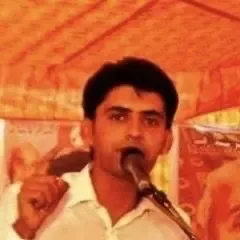
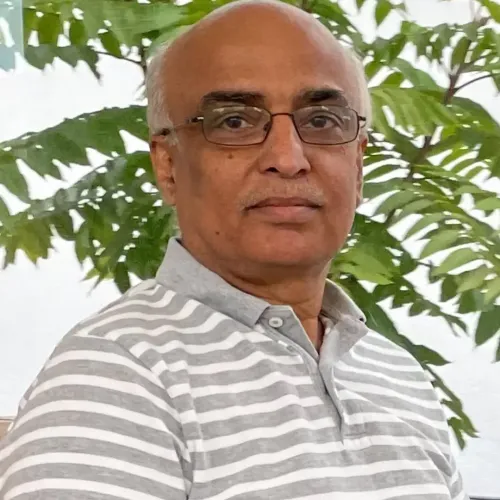
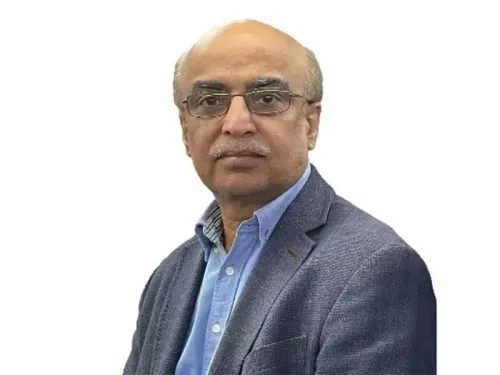
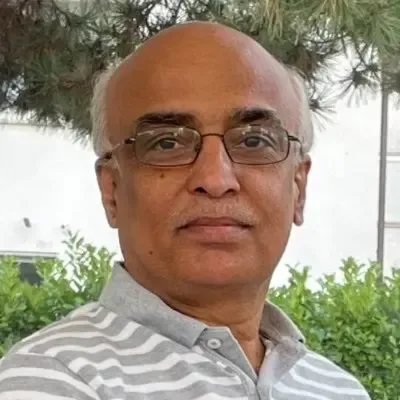
Berlin, Nov 5 (NationPress) Shafi Burfat, the Chairman of the Jeay Sindh Muttahida Mahaz (JSMM), reached out to the global community on Wednesday, alleging that Pakistan is engaging in uranium enrichment and nuclear storage within the mountainous regions of Sindh province, which he labels a significant threat to global security.
In his letter to UN Secretary-General Antonio Guterres, the International Atomic Energy Agency (IAEA), the Office of the United Nations High Commissioner for Human Rights (OHCHR), the UN Office for Disarmament Affairs (UNODA), and various heads of state, Burfat urged for a thorough international investigation and immediate safety measures regarding credible claims of hidden underground tunnels and suspected nuclear operations in Sindh.
"We harbor serious concerns and strong suspicions about the presence of covert nuclear facilities. As representatives of the National Movement of Sindhudesh, Sindhi civil society, and worried citizens, we are appealing for urgent international awareness regarding alarming allegations of extensive clandestine subterranean construction and suspected nuclear-related activity throughout several remote mountainous belts in Sindh Province, Pakistan," the letter outlined.
"Our apprehensions are based on verified information indicating that the nuclear undertakings of the Pakistani military might pose immediate and severe risks to regional peace and security, especially for Sindh, environmental safety, and the health, livelihoods, and human rights of local communities," it further stated.
Quoting numerous independent local testimonies, dated photographs, annotated maps, and consistent community reports, Burfat asserted the discovery of vast underground tunnels and chambers in remote highland regions—north of Jamshoro near Noriabad, around Kambar-Shahdadkot, and west of Manchar Lake in Sindh.
The Sindhi leader underscored that reports highlighted increased construction activity, restricted access to specific mountain areas, and heightened secrecy surrounding certain locations. He mentioned that local observers and environmental monitors allege that these underground structures are being utilized or prepared for activities related to Pakistan's nuclear apparatus, including potential storage or concealment of nuclear materials or facilities for nuclear-related processes.
"If nuclear materials or sensitive nuclear processes are present in unmonitored or insecure underground facilities, there is a severe risk of radioactive contamination, accidents, ecosystem damage, and violations of international nuclear-safety and non-proliferation obligations. The potential humanitarian and cross-border environmental consequences necessitate immediate, impartial verification and, if necessary, rapid mitigation," Burfat stressed.
Point of View
It is crucial to approach these claims with caution. The allegations presented by Shafi Burfat are serious and warrant thorough investigation. However, the implications of such claims can also lead to unnecessary tension. We must balance the need for transparency with the risk of escalating geopolitical conflicts.
NationPress
10 Oct 2026
Frequently Asked Questions
What are the allegations made by Shafi Burfat?
Shafi Burfat alleges that Pakistan is involved in uranium enrichment and nuclear storage in mountainous areas of Sindh, posing a threat to global security.
Who did Burfat address his letter to?
Burfat addressed his letter to several international bodies including the UN Secretary-General and the International Atomic Energy Agency.
What evidence does Burfat provide for his claims?
Burfat cites independent testimonies, photographs, maps, and community reports indicating the presence of underground tunnels and nuclear-related activities.
What are the potential risks of these activities?
The activities could lead to radioactive contamination, accidents, and violations of international nuclear safety obligations.
What does Burfat want from the international community?
Burfat seeks an independent international investigation and immediate precautionary measures regarding the alleged nuclear activities.