JSMM chief Shafi Burfat urges India, world to act on PoK, Sindh crackdown
Synopsis
Seven civilians were killed in PoK's Rawalakot on 7 June after police clashed with protesters of the newly banned JAAC. Now, Sindhi nationalist leader Shafi Burfat is calling on India, the UN, and the world to intervene — framing Pakistan's military as a fascist occupier of its own ethnic minorities. It is a rare, direct appeal to New Delhi from an exile leader whose organisation Pakistan has itself proscribed.
Key Takeaways
Shafi Burfat , chairman of the JSMM , issued a global intervention appeal from Berlin on 9 June 2025 .
Seven civilians were reportedly killed in clashes between police and JAAC protesters in Rawalakot, PoK on 7 June , according to Pakistani daily Dawn .
Burfat specifically called on India , as 'the world's largest democracy,' to help protect oppressed communities under Pakistani rule.
He alleged Pakistan's military controls Sindhis, Pashtuns, Baloch, Seraikis, and Brahuis through 'coercion and the misuse of religion.' The JAAC was proscribed by Pakistani authorities ahead of the protests, a move critics view as a crackdown on political dissent.
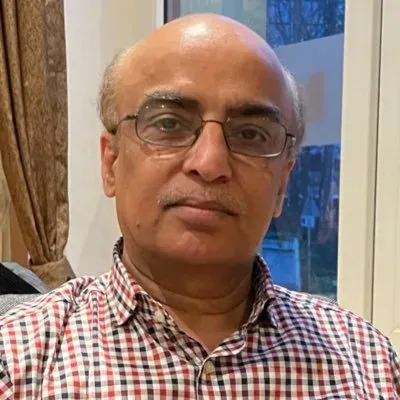
Shafi Burfat, chairman of the Jeay Sindh Muttahida Mahaz (JSMM), has called on India and the international community to intervene against what he describes as the Pakistan military's systematic persecution of civilians in Pakistan-occupied Kashmir (PoK), Sindh, and other regions. His appeal, issued from Berlin on 9 June, follows a deadly confrontation in PoK that left seven civilians dead.
The Trigger: Rawalakot Clashes
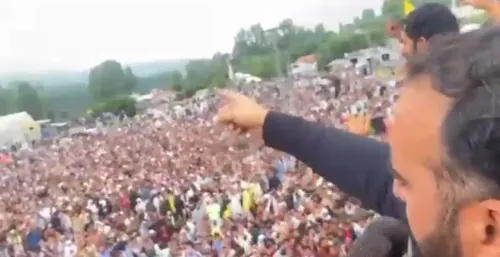
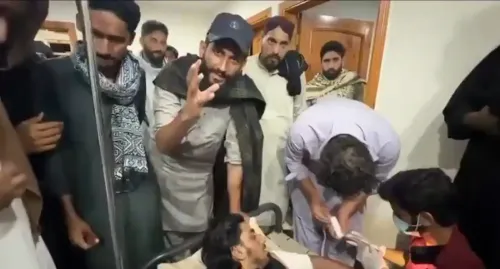
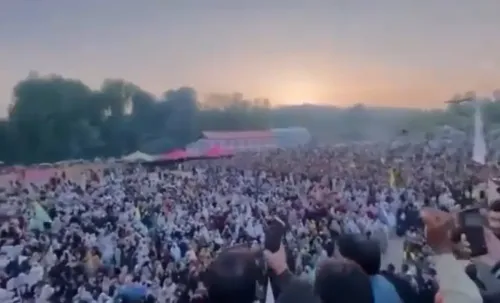
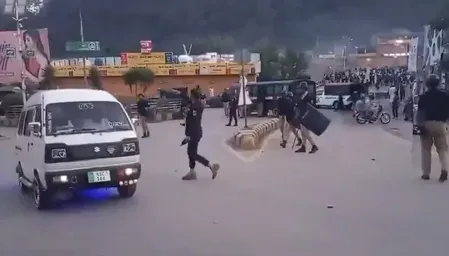
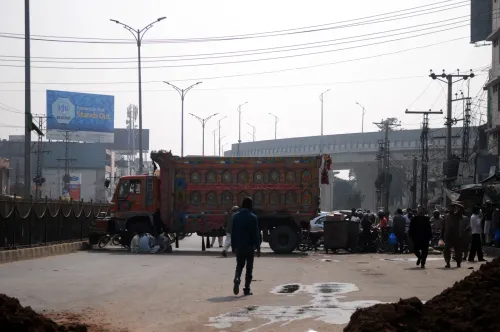
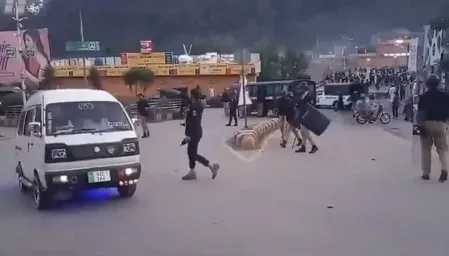
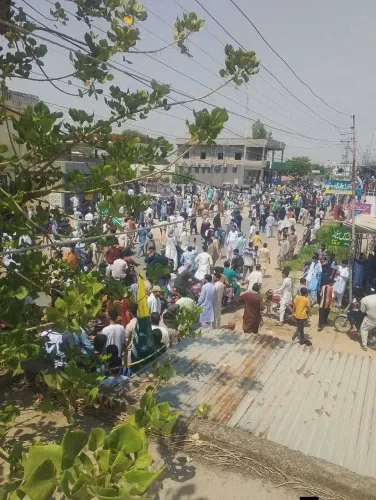
The appeal came in the wake of clashes between police and protesters of the newly proscribed Joint Awami Action Committee (JAAC) in the Rawalakot region of PoK on 7 June, in which seven civilians were reportedly killed, according to Pakistani daily Dawn, citing an official. The JAAC had been proscribed ahead of the protests, a move critics say was designed to suppress dissent in the region.
What Burfat Said
In a post on X, Burfat condemned what he called 'naked brutality, fascism, and cruelty inflicted by the Pakistani military and intelligence agencies against innocent civilians in Pakistan-occupied Kashmir.' He urged the United Nations, India, Europe, the United Kingdom, and nations across the Middle East, East Asia, Africa, and Central Asia to 'take immediate notice of the massacres, human rights violations, and state-sponsored brutality being committed by the Pakistani military in PoK.'
Burfat made a pointed appeal to India specifically: 'We appeal especially to India, as the world's largest democracy and our neighboring country, alongside international institutions and democratic governments worldwide, to intervene and help protect these oppressed nations from Pakistan's oppression, occupation, subjugation, and fascist rule.'
Broader Allegations Against Pakistan
Beyond PoK, Burfat alleged that Pakistan's military establishment maintains control over the 'historic nations' of Sindhis, Pashtuns, Seraikis, Baloch, and Brahuis through 'deception, coercion, and the misuse of religion as a political instrument.' He characterised Pakistan as an 'artificial state' whose authority rests on suppression rather than democratic legitimacy.
He further warned that inaction by the global community would pose a 'growing threat to global peace, security, political stability, and economic prosperity,' arguing that 'the international community can no longer afford silence in the face of such systematic oppression.'
Context and Significance
The JSMM is a Sindhi nationalist organisation that has long advocated for self-determination for Sindh and has been designated a terrorist organisation by Pakistan. Burfat operates in exile and his statements, while representing a specific political position, reflect a broader pattern of grievances voiced by ethnic and regional groups within Pakistan. This is not the first time PoK has seen civilian unrest — the region has a history of protests over taxation, administrative neglect, and restrictions on political activity. Notably, the proscription of the JAAC ahead of the June protests drew sharp criticism from civil society observers who viewed it as a pre-emptive crackdown on legitimate dissent.
Whether India or multilateral bodies will formally respond to Burfat's appeal remains to be seen, but the call adds to mounting international scrutiny of Pakistan's internal security conduct.
Point of View
Civilian deaths in a region with no free press and restricted political activity, is independently reported. The more consequential question is whether India will treat this as a diplomatic opening or a liability: engaging with separatist voices from Pakistani territory carries its own escalatory risk, even when the humanitarian case is credible. The proscription of the JAAC before protests began is the detail that deserves the most scrutiny — it suggests pre-emptive suppression, not reactive policing.
NationPress
20 Sept 2026
Frequently Asked Questions
Who is Shafi Burfat and what is the JSMM?
Shafi Burfat is the chairman of the Jeay Sindh Muttahida Mahaz (JSMM), a Sindhi nationalist organisation that advocates self-determination for Sindh. The JSMM has been designated a terrorist organisation by Pakistan; Burfat operates in exile and has been a vocal critic of Pakistan's military establishment.
What triggered Burfat's appeal for international intervention?
The immediate trigger was the killing of seven civilians in clashes between police and protesters of the newly proscribed Joint Awami Action Committee (JAAC) in Rawalakot, PoK, on 7 June, as reported by Pakistani daily Dawn. Burfat cited this as evidence of systematic state-sponsored brutality.
Why did Burfat specifically appeal to India?
Burfat described India as 'the world's largest democracy' and a neighbouring country with both the standing and the strategic interest to act. His appeal frames Indian intervention as a moral and geopolitical responsibility, though India has not formally responded to the call.
What is the JAAC and why was it proscribed?
The Joint Awami Action Committee (JAAC) is a civil society coalition in Pakistan-occupied Kashmir that has previously led protests over taxation and administrative grievances. Pakistani authorities proscribed it ahead of the June protests, a move that critics argue was designed to suppress legitimate political dissent.
Has Pakistan responded to the allegations?
There is no official Pakistani government response to Burfat's specific statements in the available reports. Pakistan has consistently denied allegations of systematic human rights abuses in PoK and Sindh, and designates organisations like the JSMM as threats to national security.