Lahore world's most polluted city again, AQI hits 465 on 20 November
Synopsis
Lahore is once again the world's most polluted city, with an AQI of 465 recorded on the morning of 20 November. Despite nearly 85,000 brick kiln inspections and over 1,200 FIRs, Punjab's air quality keeps worsening — and a landmark PAQI report reveals the true cost: 128,000 deaths a year, a seven-year cut in Lahore residents' life expectancy, and a bill equal to 6.5% of Pakistan's entire GDP.
Key Takeaways
Lahore recorded an AQI of 465 on 20 November 2026 , ranking it the world's most polluted city .
Other Punjab cities also hit hazardous levels: Sargodha (289) , Sialkot (232) , Rahim Yar Khan (228) , and Bahawalpur (198) .
Punjab authorities conducted 84,370 brick kiln inspections between January and November, demolishing 1,429 units and filing 1,248 FIRs .
Air pollution causes an estimated 128,000 premature deaths annually in Pakistan and costs the economy 6.5% of GDP , according to the PAQI report.
Lahore's PM2.5 levels exceed 110 micrograms per cubic metre — more than 22 times the WHO annual guideline.
Prolonged exposure to Lahore's current pollution levels could cut residents' life expectancy by up to seven years .
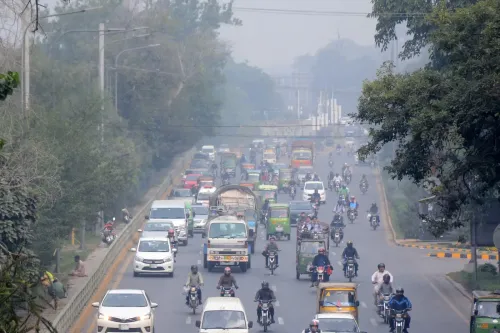
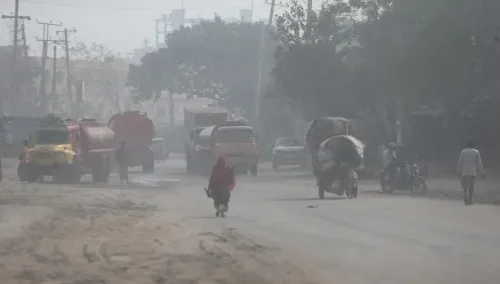
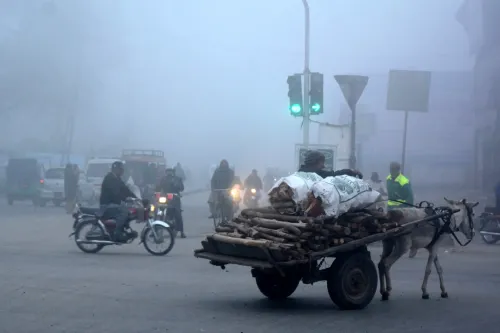
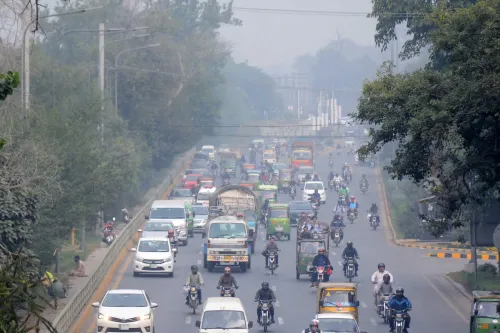
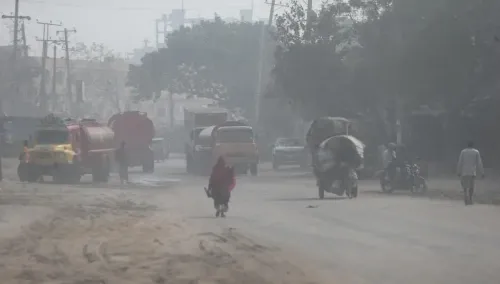
Lahore, Pakistan's second-largest city, was ranked the world's most polluted city on 20 November 2026, recording an Air Quality Index (AQI) of 465 between 7 am and 8 am local time — a level classified as hazardous and far beyond any safe threshold. The alarming reading underscores a deepening air quality crisis across Pakistan's Punjab province as winter smog season intensifies.
Punjab's Pollution Hotspots
Beyond Lahore, several other cities in Punjab recorded dangerously elevated pollution levels on the same day. Sargodha logged an AQI of 289, Sialkot at 232, Rahim Yar Khan at 228, and Bahawalpur at 198. Health authorities have flagged the figures as posing serious risks, particularly for children, the elderly, and individuals with pre-existing respiratory or cardiovascular conditions.
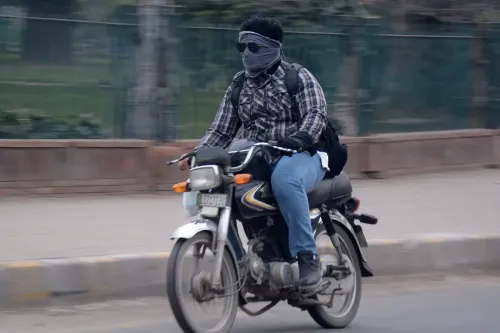
Residents across the province have been urged to minimise outdoor activity, keep windows shut, wear protective masks when stepping outside, and use air purifiers indoors. Medical experts warn that prolonged exposure to high concentrations of fine particulate matter (PM2.5) significantly worsens both cardiovascular and respiratory outcomes.
Enforcement Efforts Fall Short
The Punjab Environment Protection and Climate Change Department has been conducting enforcement operations targeting sources of pollution, with a focus on non-compliant brick kilns. Between 1 January and 18 November, enforcement teams carried out 84,370 inspections of brick kilns across the province. Authorities demolished 1,429 units, sealed 968, and registered 1,248 FIRs against violators. Fines totalling PKR 178 million were also imposed. Despite these measures, air quality in Punjab has continued to deteriorate — suggesting that enforcement alone is insufficient to reverse the trend.
The Health and Economic Toll
A report released last month by the Pakistan Air Quality Initiative (PAQI), titled 'Unveiling Pakistan's Air Pollution: A National Landscape Report on Health Risks, Sources, and Solutions', estimated that air pollution cuts life expectancy in Pakistan by approximately 3.9 years and contributes to around 128,000 premature deaths annually. The economic burden is equally staggering — pollution reportedly costs Pakistan the equivalent of 6.5% of its GDP. For Lahore specifically, prolonged exposure to current pollution levels could reduce residents' life expectancy by as much as seven years, according to the report.
The PAQI report presents Pakistan's first harmonised, multi-sector emissions inventory and a multi-city air quality analysis covering Karachi, Islamabad, Rawalpindi, Lahore, and Peshawar. It assessed emissions of carbon dioxide, PM2.5, nitrogen oxides (NOx), and sulphur dioxide (SO2), with sector-wise breakdowns across four urban airsheds. The report identified measures that could reduce emissions by up to 50% if implemented.
What Is Driving Lahore's Air Crisis
Lahore's annual average PM2.5 concentration exceeds 110 micrograms per cubic metre — more than 22 times the World Health Organisation (WHO) annual guideline of 5 micrograms per cubic metre. The PAQI report identified transport as the largest source of primary PM2.5 emissions in the city, followed by industry at 28% and brick kilns at 17%. Winter weather conditions, which trap pollutants close to ground level, further compound the problem each year.
Notably, this is not an isolated episode — Lahore has repeatedly topped global pollution rankings in recent winters, pointing to systemic failures in urban planning, industrial regulation, and vehicle emission standards. With winter still deepening, air quality is expected to remain at crisis levels in the weeks ahead.
Point of View
370 inspections, 1,429 demolitions, 1,248 FIRs. But the AQI readings tell a different story, and that gap between enforcement optics and air quality outcomes demands scrutiny. The PAQI report's finding that pollution costs Pakistan 6.5% of GDP reframes this as an economic emergency, not just a health one — yet policy responses remain fragmented and seasonal. Until transport emissions and industrial sources are tackled structurally, and not merely through brick kiln crackdowns, Lahore will keep holding this unwanted record every winter.
NationPress
20 Nov 2026
Frequently Asked Questions
Why is Lahore the most polluted city in the world?
Lahore recorded an AQI of 465 on 20 November 2026, driven by transport emissions (the largest source of PM2.5), industry at 28%, and brick kilns at 17%, compounded by winter weather that traps pollutants near ground level. The city's annual average PM2.5 concentration exceeds 110 micrograms per cubic metre — more than 22 times the WHO guideline.
What is the health impact of Lahore's air pollution?
Prolonged exposure to Lahore's current pollution levels could reduce residents' life expectancy by up to seven years, according to the Pakistan Air Quality Initiative. Nationally, air pollution contributes to an estimated 128,000 premature deaths each year, with the highest risks for children, the elderly, and those with respiratory or cardiovascular conditions.
What steps has Pakistan taken to combat the pollution crisis?
The Punjab Environment Protection and Climate Change Department conducted 84,370 brick kiln inspections between 1 January and 18 November 2026, demolishing 1,429 units, sealing 968, and registering 1,248 FIRs. Fines of PKR 178 million were imposed. Despite these measures, air quality has continued to deteriorate across the province.
How much does air pollution cost Pakistan's economy?
According to the Pakistan Air Quality Initiative report, air pollution imposes an economic burden equivalent to 6.5% of Pakistan's GDP annually. The report also estimates that it cuts average life expectancy across the country by 3.9 years.
Which other cities in Pakistan have hazardous air quality?
On 20 November 2026, several Punjab cities recorded elevated AQI levels alongside Lahore, including Sargodha (289), Sialkot (232), Rahim Yar Khan (228), and Bahawalpur (198). The PAQI report also examines air quality in Karachi, Islamabad, Rawalpindi, and Peshawar.