Nadda Shares President Murmu's Take on Decade of Health Reforms
Synopsis
Health Minister J. P. Nadda on 20 November 2026 shared President Droupadi Murmu's assessment that a decade of Ayushman Bharat initiatives has built a care ladder — from nearly 1.75 lakh Ayushman Arogya Mandirs in villages to super-specialty facilities in smaller Indian towns.
Key Takeaways
Union Health Minister J.
Nadda posted President Droupadi Murmu's remarks on India's health expansion on 20 November 2026 .
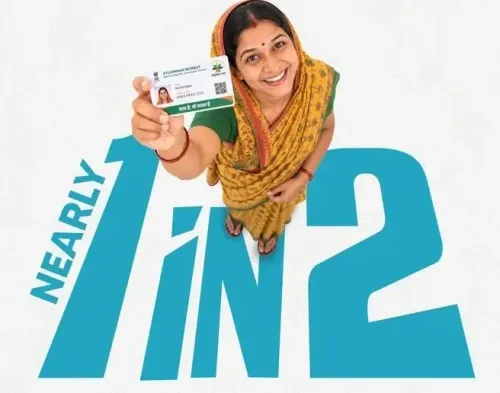
Ayushman Bharat , launched in 2018 , created a tiered network targeting over 500 million beneficiaries through primary centres and PM-JAY insurance.
Health and Wellness Centres were rebranded as Ayushman Arogya Mandirs ; President Murmu cited a figure of nearly 1.75 lakh such centres reaching villages.
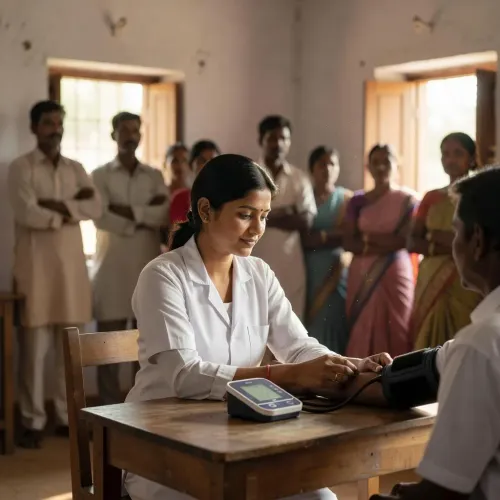
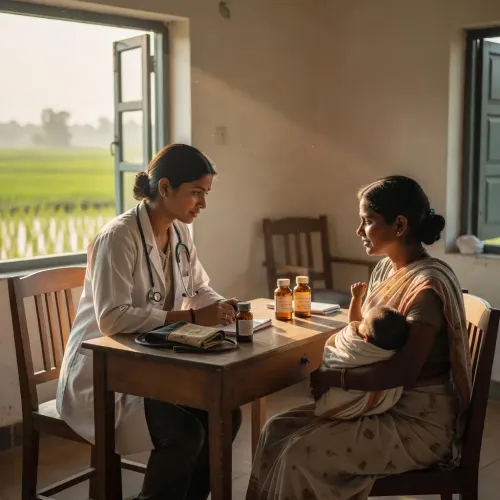
The programme spans primary care at village level, emergency medicine at district hospitals, and super-specialty care in smaller towns.
President Murmu is India's first tribal woman head of state, lending additional weight to observations on rural health access.
Analysts and policymakers are watching updated operational counts and PM-JAY utilisation data to assess whether infrastructure translates into health outcomes.
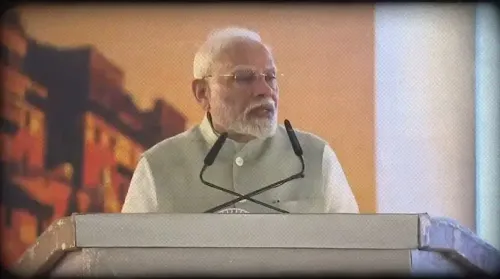
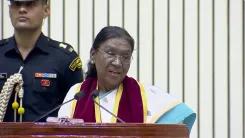
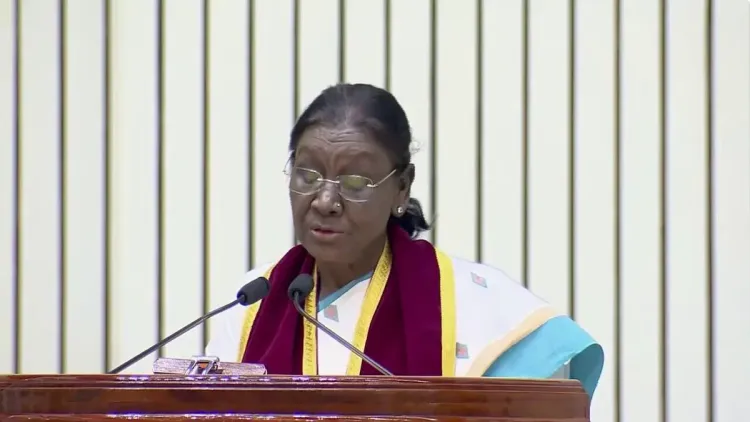
A decade of layered health investment has quietly redrawn what 'access to care' means for millions of Indians — and Union Health Minister J. P. Nadda amplified that assessment on Friday, 20 November 2026, sharing a pointed observation from President Droupadi Murmu on how government health initiatives have expanded services from the village level all the way up to super-specialty care.
The post quotes President Murmu directly: 'पिछले एक दशक में भारत सरकार की स्वास्थ्य पहलों से प्राथमिक से लेकर उच्च स्तरीय चिकित्सा सेवाओं का व्यापक विस्तार हुआ है' — 'In the last decade, the Government of India's health initiatives have brought about a wide expansion of services, from primary to high-level medical care.' The President specifically highlighted the network of Ayushman Arogya Mandirs, accessible treatment for poor families, district-level emergency medicine, and super-specialty facilities in smaller towns.
Ayushman Bharat's Village-to-Specialist Ladder
Ayushman Bharat, launched in 2018, was designed as a two-pronged push: a network of Health and Wellness Centres for primary care at the grassroots, and the Pradhan Mantri Jan Arogya Yojana (PM-JAY) insurance scheme to cover secondary and tertiary hospitalisation for over 500 million beneficiaries. The Health and Wellness Centres were subsequently rebranded as Ayushman Arogya Mandirs, with an expanded operational target beyond the original 1.5 lakh set at launch. President Murmu's remarks reference a figure of nearly 1.75 lakh such centres now carrying primary care to rural doorsteps.
The model is deliberately tiered. A patient in a remote village gets screened and treated at an Ayushman Arogya Mandir; if the case escalates, district hospitals carry emergency and secondary care; and smaller cities — not just metros — now host super-specialty units for complex procedures. The stated goal: cut the catastrophic out-of-pocket spending that historically pushed low-income families into debt or simply kept them away from treatment altogether.
President Murmu's Weight Behind the Message
President Droupadi Murmu, who took office in July 2022 as India's first tribal woman head of state, carries particular symbolic and substantive authority on issues of rural and tribal welfare. Her endorsement of the decade-long health trajectory adds constitutional heft to what is also, plainly, a political narrative the ruling BJP is keen to reinforce — Nadda being both Health Minister and the party's national president.
The timing matters. With health budgets and PM-JAY utilisation numbers under periodic parliamentary scrutiny, citing the President's own words lifts the conversation above partisan debate, framing the expansion as a national-consensus achievement rather than a party claim alone.
The numbers are real, the network is operational, the question now is utilisation quality and equitable reach. Watch for updated official counts of functional Ayushman Arogya Mandirs and the next health budget cycle to see whether the infrastructure investment translates into measurable outcomes — lower maternal mortality, faster emergency response times, reduced out-of-pocket expenditure. That is the ledger that will define whether the decade's construction boom becomes a generation's health dividend.
Point of View
Nadda strategically elevates Ayushman Bharat's record above ordinary party messaging — the constitutional office lends bipartisan gravity to what is fundamentally a BJP governance claim. The tiered care narrative (village to super-specialty) is a direct rebuttal to longstanding criticism that welfare health schemes address only hospitalisation costs while neglecting primary prevention. With health financing under recurring parliamentary debate, this signals the government intends to defend its decade-long infrastructure investment as the defining social-sector achievement ahead of budget season. The unresolved question — utilisation quality over mere centre count — is precisely the terrain opposition and civil-society scrutiny will likely contest.
NationPress
20 Nov 2026
Frequently Asked Questions
What is Ayushman Arogya Mandir?
Ayushman Arogya Mandirs are the rebranded Health and Wellness Centres under the Ayushman Bharat programme, providing comprehensive primary healthcare services at the village level across India. They were originally targeted at 1.5 lakh centres when Ayushman Bharat launched in 2018, with the target later expanded.
What did President Droupadi Murmu say about India's health services?
President Murmu stated that in the last decade, government health initiatives have brought a wide expansion of services — from primary care through nearly 1.75 lakh Ayushman Arogya Mandirs to affordable treatment for poor families, district-level emergency medicine, and super-specialty facilities in smaller towns.
What is Ayushman Bharat and when was it launched?
Ayushman Bharat is a national health programme launched in 2018. It has two pillars: a network of primary care centres (now called Ayushman Arogya Mandirs) and the PM-JAY health insurance scheme covering hospitalisation costs for over 500 million low-income beneficiaries.
Why did JP Nadda share the President's health remarks?
As both Union Health Minister and BJP national president, Nadda used President Murmu's statement to reinforce the government's decade-long health infrastructure record, lending constitutional authority to the ruling party's claims about Ayushman Bharat's reach and impact.
How many Ayushman Arogya Mandirs are operational in India?
President Murmu's cited figure stands at nearly 1.75 lakh Ayushman Arogya Mandirs. The original Ayushman Bharat target at the 2018 launch was 1.5 lakh Health and Wellness Centres, with the target subsequently expanded after the rebranding.