DMK marks 78 years: Udhayanidhi Stalin hails party's social justice legacy
Synopsis
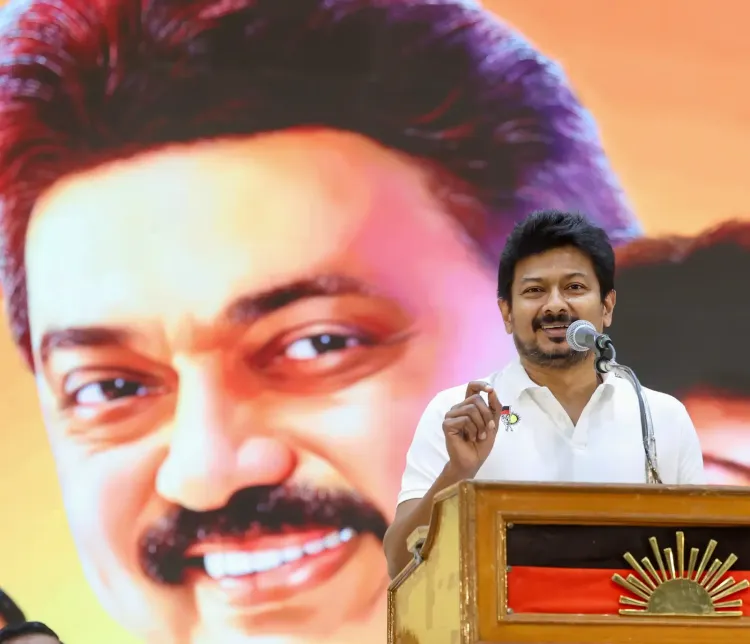
On the DMK's 78th foundation anniversary, Udhayanidhi Stalin used an X post to trace the party's arc from a rain-soaked 1949 meeting in Royapuram to the force now governing Tamil Nadu — framing black and red not just as party colours but as a way of life, and urging cadres to drive toward the centenary.
Key Takeaways
The DMK marked its 78th foundation anniversary on 17 September 2026 , founded on the same date in 1949 .
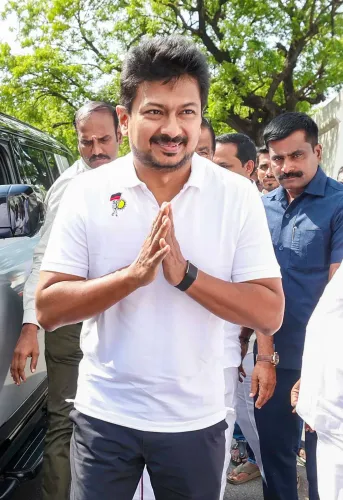
Udhayanidhi Stalin , DMK youth wing secretary, paid tribute via an X post , tracing the party's history and ideology.
The DMK was founded at Robinson Park, Royapuram, Chennai by C.N.
Annadurai after a split with Periyar E.V.
Ramasamy's Dravidar Kazhagam.
The party first formed the Tamil Nadu government in 1967 , ending Congress dominance in the state.
Udhayanidhi cited social justice, state rights, women's empowerment , and industrial development as the party's core pillars.
He called on cadres to work toward the party's centenary , with M.K.
Stalin currently at the helm.
Dravida Munnetra Kazhagam (DMK) youth wing secretary Udhayanidhi Stalin on Thursday, 17 September 2026, commemorated the party's 78th foundation anniversary, crediting it with democratising Tamil Nadu's politics by moving power away from privileged sections and placing it in the hands of ordinary people. The tribute came on the same date the DMK was founded — 17 September 1949 — at Robinson Park in Royapuram, Chennai.
A Rainy Beginning That Changed Tamil Politics
In a post on X marking the occasion, Udhayanidhi recalled that the DMK was born on a rain-soaked day, with C.N. Annadurai — then in his forties — leading a group of young colleagues that included M. Karunanidhi, who was in his twenties at the time. The founding meeting at Robinson Park took place amid heavy rainfall, a detail that has since become part of the party's founding mythology.
The DMK emerged from a split in the Dravidar Kazhagam, the social reform movement led by Periyar E.V. Ramasamy. Unlike its predecessor, which stayed away from electoral politics, the DMK committed from the outset to contesting elections and using legislative power to advance its goals of social equality, rationalism, Tamil identity, and the rights of backward and marginalised communities.
From Opposition Benches to State Power
The party's strategic decision to enter electoral politics bore fruit rapidly. The DMK first formed the Tamil Nadu government in 1967 under Annadurai, ending decades of Congress dominance in the state. That victory is widely regarded as a turning point in Indian regional politics, establishing that a regional party rooted in social reform could displace a national behemoth through the ballot box.
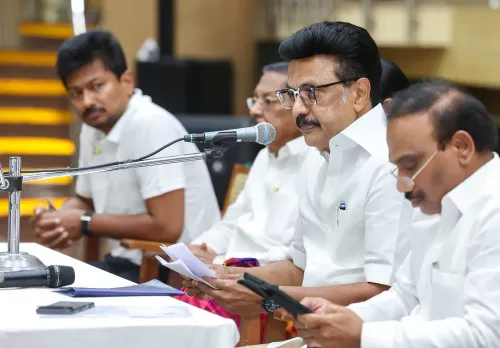
After Annadurai's death, M. Karunanidhi led the party for nearly five decades, cementing its place as one of India's most enduring regional political organisations. The party is currently headed by M.K. Stalin, Chief Minister of Tamil Nadu.
Key Pillars of the DMK's 78-Year Journey
Udhayanidhi outlined what he described as the ideological anchors of the party's seven-decade-plus journey: social justice, state rights, women's empowerment, and industrial development. He pointed to the successful campaign to rename Madras State as Tamil Nadu as a defining achievement, alongside the party's consistent advocacy for greater autonomy for states in India's federal structure.
He said the DMK could take pride in having elevated Tamil society to unprecedented heights during its 78-year journey, whether the party was in power or in the opposition.
Udhayanidhi's Call to Cadres
Invoking the symbolism of the party's flag, Udhayanidhi declared, 'Black and red are not merely colours; they are our life.' He called on party cadres to work tirelessly as the DMK moves towards its centenary, noting that the party had continued to advance under Stalin's leadership despite repression, political crises, and the emergence of new opponents. He concluded by wishing the party a long and enduring future.
As the DMK enters its 79th year, the party's trajectory — from a rain-drenched park meeting in Royapuram to governing Tamil Nadu — will likely be a rallying point ahead of the next state assembly elections.
Point of View
Invoking the party's founding radicalism — social justice, Tamil identity, state autonomy — is a deliberate act of political positioning, not mere nostalgia. The centenary framing is also significant: it projects institutional permanence at a moment when rival regional forces are testing the DMK's dominance. What the tribute glosses over is the tension between the party's egalitarian founding ethos and the dynastic succession now shaping its leadership, a contradiction that critics have raised but supporters have largely absorbed as political pragmatism.
NationPress
17 Sept 2026
Frequently Asked Questions
When was the DMK founded and by whom?
The DMK was founded on 17 September 1949 by C.N. Annadurai at Robinson Park in Royapuram, Chennai. It emerged after a split from the Dravidar Kazhagam, the social reform movement led by Periyar E.V. Ramasamy.
What did Udhayanidhi Stalin say on DMK's 78th anniversary?
Udhayanidhi Stalin posted a tribute on X recalling the party's rain-soaked founding and crediting it with elevating Tamil society through social justice, state rights, women's empowerment, and industrial development. He called on cadres to work toward the party's centenary.
What are the key achievements attributed to the DMK over 78 years?
The DMK is credited with renaming Madras State as Tamil Nadu, ending Congress dominance by forming the state government in 1967, and consistently advocating greater autonomy for states. It built its political identity around social equality, rationalism, and Tamil identity.
Who leads the DMK currently?
The DMK is currently headed by M.K. Stalin , who is also the Chief Minister of Tamil Nadu. He succeeded his father M. Karunanidhi, who led the party for nearly five decades after the death of founder C.N. Annadurai.
What is the significance of the DMK's black and red flag?
The black and red colours of the DMK flag represent the party's ideological identity rooted in rationalism and social justice. Udhayanidhi Stalin invoked the flag's colours on the anniversary, declaring 'Black and red are not merely colours; they are our life.'