Are Maximum Doubtful Voters Found in Bengal's Bordering Districts?
Synopsis
In a startling revelation, three districts in West Bengal bordering Bangladesh have been identified as locations with the highest numbers of dubious voters during the ongoing Special Intensive Revision. This article delves into the details of the progeny mapping findings, exploring the implications for the upcoming elections.
Key Takeaways
Murshidabad district has the highest number of dubious voters.
Progeny mapping has revealed significant discrepancies in voter data.
Over 30 lakh voters are categorized as unmapped.
The final voters' list will be published on February 14, 2026.
Hearings for dubious voters will begin on December 27.
Kolkata, Dec 23 (NationPress) Three districts in West Bengal, adjacent to Bangladesh, namely Murshidabad, South 24 Parganas, and North 24 Parganas, have emerged as the areas with the highest number of dubious voters. This revelation comes from the ongoing process of progeny mapping during the Special Intensive Revision (SIR).
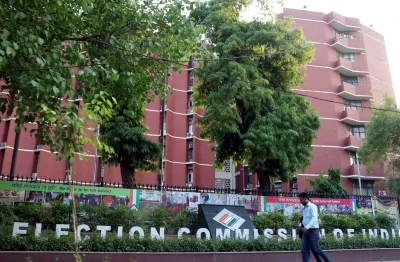
Sources from the Chief Electoral Officer (CEO) of West Bengal have indicated that out of a total of 1.36 crore dubious cases identified through progeny mapping, the majority—approximately 4.08 lakh—has been reported in the minority-dominated Murshidabad district, which borders India and Bangladesh.
Following this, the South 24 Parganas district, also bordering Bangladesh, has recorded around 3.78 lakh doubtful voters. The North 24 Parganas district, sharing an international boundary with Bangladesh, has identified just over 2 lakh doubtful voters.
Doubtful voters are those whose names do not appear on the voters' list from 2002, the last time the SIR was conducted in West Bengal.
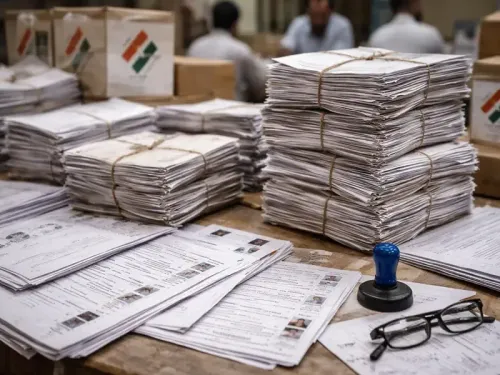
According to the CEO's office, these questionable cases were uncovered using advanced technology during the progeny mapping process. One category includes individuals who had no names on the 2002 list despite being over 18 years of age at that time.
Other categories of dubious cases involve voters who became fathers at or below the age of 15, those who became grandfathers at or below the age of 40, and cases where both parents share identical names.
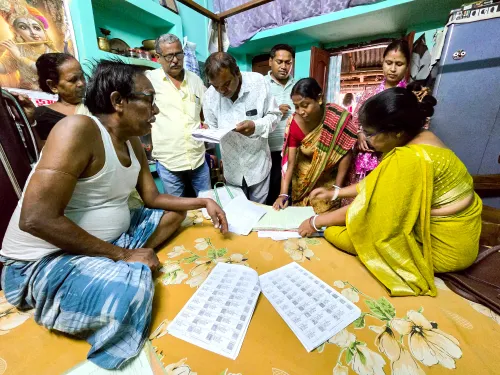
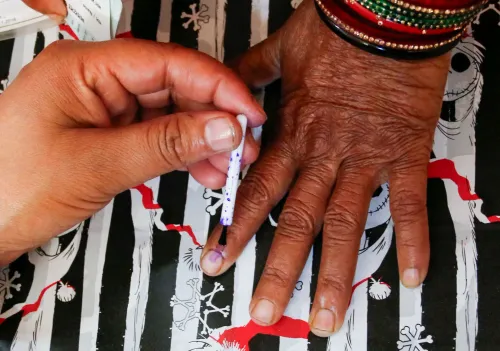
All questionable individuals will be called for hearings regarding claims and objections on the draft voters' list starting December 27, where they will be asked to clarify the anomalies in their data. However, this will occur in the second phase of hearings.
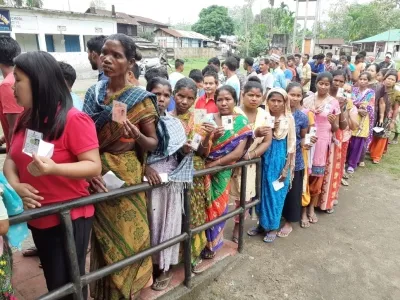
The first phase will address “unmapped voters,” defined as those without connections to the 2002 list, either through self-mapping or progeny mapping, which accounts for slightly over 30 lakh voters.
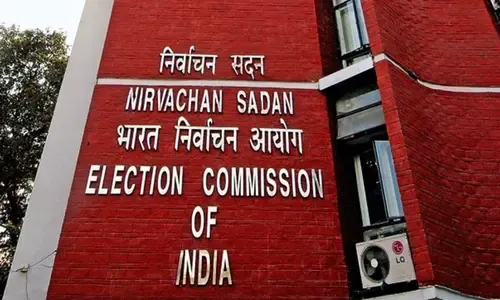
The draft voters' list was released on December 16, with the final version set to be published on February 14, 2026. Following this, the Election Commission of India (ECI) will announce polling dates for the upcoming Assembly elections next year.
Point of View
It is crucial to recognize the implications of such findings in West Bengal. The identification of dubious voters through progeny mapping raises questions about electoral integrity and the need for transparent processes. The ongoing hearings provide an opportunity for clarity and fairness in the upcoming elections.
NationPress
30 Sept 2026
Frequently Asked Questions
What is progeny mapping?
Progeny mapping is a method used to trace back the lineage of voters to determine their eligibility based on family trees, particularly in relation to past voter lists.
Why are voters considered doubtful?
Voters are deemed doubtful if their names do not appear on the previous voters' list or if there are anomalies in their family tree data that raises questions about their legitimacy.
What steps will be taken for doubtful voters?
Doubtful voters will be summoned for hearings to clarify discrepancies in their voter data as part of the claims and objections process.
When will the final voters' list be published?
The final voters' list is scheduled to be published on February 14, 2026.
How many unmapped voters are there?
There are slightly over 30 lakh unmapped voters who lack connections to the 2002 voters' list.