Why Are Bengal Voters with 'Strange Family Trees' Under ECI Scrutiny?
Synopsis
The Election Commission of India is scrutinizing Bengal voters with peculiar family-tree data as the online Special Intensive Revision concludes. Unusual cases include voters relying on progeny mapping instead of self-mapping, raising questions about their registration history. The final voters' list will be published soon, ahead of upcoming Assembly elections.
Key Takeaways
ECI detects strange family-tree data among voters.
Progeny mapping raises questions about voter registration.
1.5 crore voters flagged for suspicious data.
Final voters' list to be published on February 14, 2026.
Upcoming Assembly elections may be impacted by these findings.
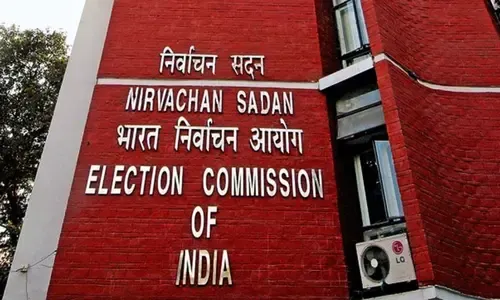
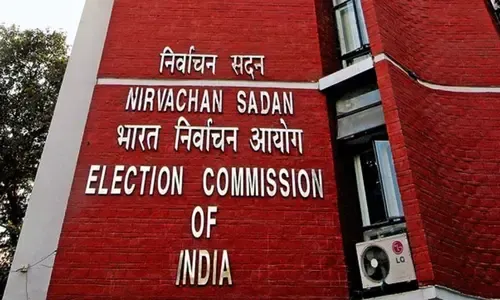
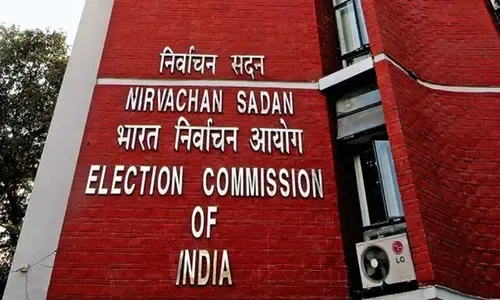
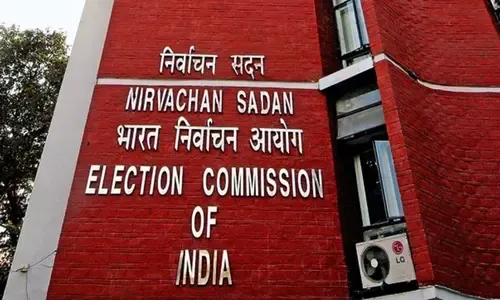
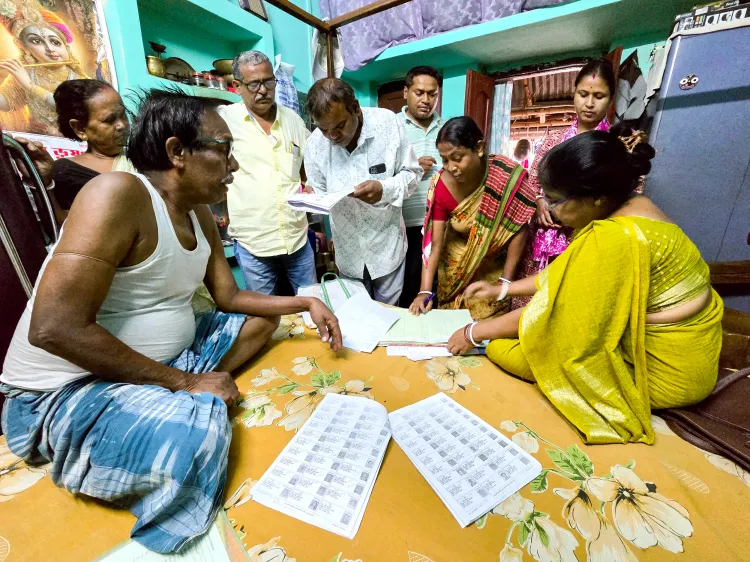
Kolkata, Dec 13 (NationPress) As the enumeration phase for the online Special Intensive Revision (SIR) in West Bengal wraps up at midnight on Thursday, the Election Commission of India (ECI) has identified numerous voters with strange family-tree data during the process of progeny mapping.
Sources from the Chief Electoral Officer's (CEO) office highlighted that the first group of voters with unusual family tree data consists of those who have sought to retain their names in the voters’ list through progeny mapping instead of self-mapping, despite being over 45 years of age.
“The last SIR conducted in West Bengal was back in 2002. Hence, individuals aged 45 and over now would have registered as voters in 2002, given that the minimum voting age is 18. This raises the question of why these individuals, now over 45, did not enroll back in 2002, leading them to rely on progeny mapping to keep their names in the current voters' list,” explained a source from the CEO's office.
Self-mapping voters are those whose names appear in both the current voters’ list as of October 27, 2025, and the voters’ list from 2002.
Conversely, progeny-mapping voters are those whose names are absent from the current list, but their parents' names are present in the 2002 list.
The second group includes voters whose fathers were only 15 years old or even younger at the time of their birth. According to preliminary estimates, around 12 lakh voters fall into this category.
The third category encompasses those whose fathers and mothers share the same name, with estimates suggesting about 13 lakh voters in this situation.
The fourth group consists of voters whose grandfathers were merely 40 years old or younger when they became grandfathers, with an estimated 3.5 lakh voters affected.
“In total, the ECI detected approximately 1.5 crore voters whose data in the enumeration forms raises significant suspicions. All these individuals will be summoned for a hearing, where clarifications regarding their voters’ data will be sought,” added the source from the CEO’s office.
The draft voters' list is set to be published on December 16, concluding the first stage of the three-phase SIR. Following this, hearings regarding claims and objections will commence. The final voters' list is expected to be published on February 14, 2026.
Shortly after, the ECI is anticipated to announce polling dates for the upcoming Assembly elections in the state.
Point of View
It is essential to convey the significance of the Election Commission’s findings regarding questionable voter data. This issue not only impacts electoral integrity but also raises broader questions about voter registration practices in India. Ensuring a transparent electoral process is critical, and the ECI's actions reflect a commitment to uphold this integrity.
NationPress
27 Sept 2026
Frequently Asked Questions
What is the Special Intensive Revision (SIR)?
The Special Intensive Revision (SIR) is a process conducted by the Election Commission of India to update and verify the voters' list.
What is progeny mapping?
Progeny mapping allows voters to retain their names in the voters' list based on their parents' registration instead of their own.
When will the final voters' list be published?
The final voters' list is expected to be published on February 14, 2026.
How many voters have been flagged for suspicious data?
Approximately 1.5 crore voters have been identified with suspicious data by the Election Commission.
What happens next in the SIR process?
Following the draft voters' list publication, hearings on claims and objections will take place.