Has NSA Ajit Doval's Visit to Canada Disrupted ISI-Supported Khalistan Revival Efforts?
Synopsis
The visit of NSA Ajit Doval to Canada has sparked significant concern among Khalistani militants, jeopardizing their revival plans. The renewed cooperation between India and Canada focuses on real-time intelligence sharing, framing the Khalistan issue as terrorism rather than free speech, which could disrupt longstanding networks supporting the movement.
Key Takeaways
NSA Doval's visit signifies a pivotal moment in India-Canada relations.
Real-time intelligence sharing targets Khalistani activities.
The Khalistan issue is now recognized as terrorism rather than free speech.
Increased cooperation aims to dismantle drug trafficking networks.
The meeting has raised alarms among Khalistani operatives globally.
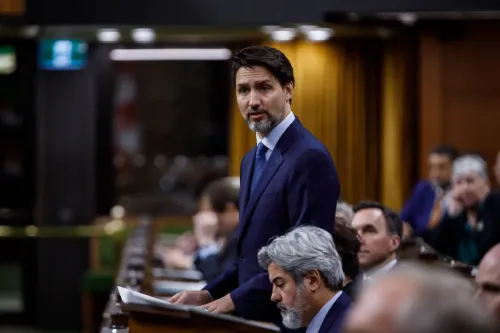
New Delhi, Feb 9 (NationPress) The Khalistan dilemma has persistently created tension between India and Canada. The relationship deteriorated during Justin Trudeau's tenure as Prime Minister, where he was accused of openly supporting the Khalistan movement. Following the assassination of the Khalistani militant Hardeep Singh Nijjar, Trudeau made unsubstantiated claims against India. However, after Trudeau's departure from office, both nations decided to rebuild their ties and address the Khalistan concern.
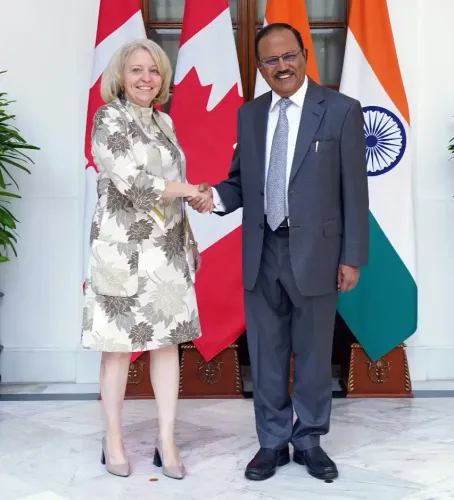
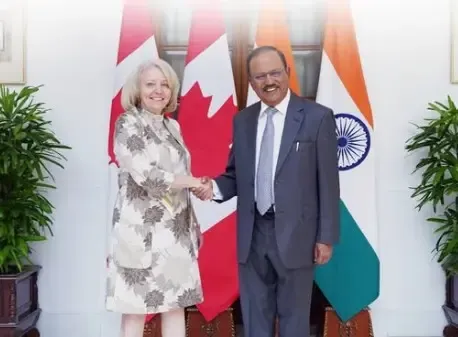
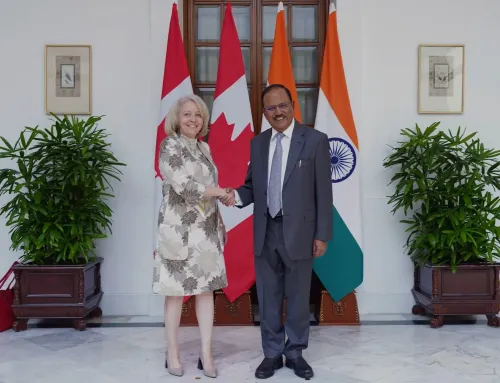
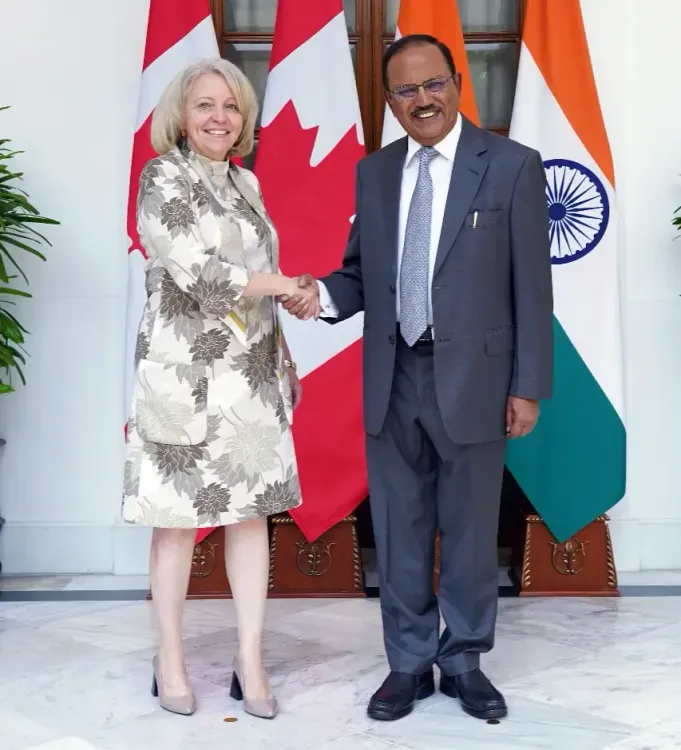
A recent event that has raised alarms among Khalistani factions is the visit of National Security Advisor (NSA) Ajit Doval to Canada. Doval engaged in productive discussions with Nathalie Drouin, the Deputy Clerk and National Security and Intelligence Advisor to the Canadian Prime Minister.
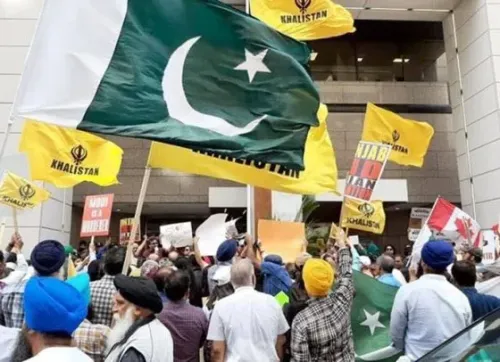
An official described the results as highly promising, asserting that this renewed collaboration would pose significant challenges for Khalistani terrorists, who have long used Canada as a launchpad for attacks against India. They have issued numerous threats to the Indian government from Canadian soil.
Additionally, the masterminds behind several targeted assassinations in Punjab reside in Canada. These elements have also been involved in drug trafficking, facilitating the smuggling of illicit substances, arms, and ammunition into Punjab.
A critical aspect of the NSA meeting was the exchange of real-time intelligence, with a primary focus on Khalistani militants. An official emphasized that this intelligence-sharing would also address issues related to drug trafficking, cyber threats, and Sikh extremism.
Another source indicated that this meeting is among the most constructive in recent history, as the Khalistan issue is spiraling out of control. Moreover, the ISI is reportedly executing a significant plan to rejuvenate the Khalistan movement in Punjab.
Recent intelligence reports suggest that the ISI has prepared a contingent of Khalistani operatives poised to infiltrate Punjab, with increased narcotics trade being utilized to finance this initiative.
Currently, a subtle push is underway, with Khalistani flags appearing in remote areas. Over time, the ISI aims to entice local youth with financial incentives to enlist in the movement.
This NSA meeting is expected to substantially hinder these plans, according to another official. While the ISI orchestrates the operations, Canada remains the primary command center, followed by the United Kingdom.
A crucial focus of this meeting was the restoration of trust. Trudeau's baseless claims that India's intelligence agencies were implicated in Nijjar's killing had led to a diplomatic quarrel. Canada had previously failed to recognize the Khalistan issue as a form of extremism, allowing it to flourish under the guise of free speech.
The Doval-Drouin discussions change this narrative. Both parties have agreed to categorize the Khalistan issue as terrorism and organized crime rather than a free speech issue. Experts view this as a significant development.
India and Canada are set to share real-time information regarding these elements, complicating operations for the Khalistani movement.
NSA Doval raised concerns over the fundraising efforts by Khalistani groups, who have been collecting donations under the pretext of charities, with many Gurdwaras in Canada being exploited for this purpose.
He also highlighted the necessity for cooperation in dismantling drug cartels, as the profits from this trade are fueling the Khalistani movement. India has successfully communicated the threat this movement poses not only to India but also to Ottawa.
Khalistani advocates have been actively promoting their agenda online, utilizing social media platforms and subtle tactics. With enhanced cooperation and real-time intelligence sharing, officials anticipate a significant reduction in these activities.
Recognizing these developments, Khalistani factions are now seeking refuge in other countries like Italy and Germany. However, such attempts will be challenging due to the dismantling of the long-established network in Canada.
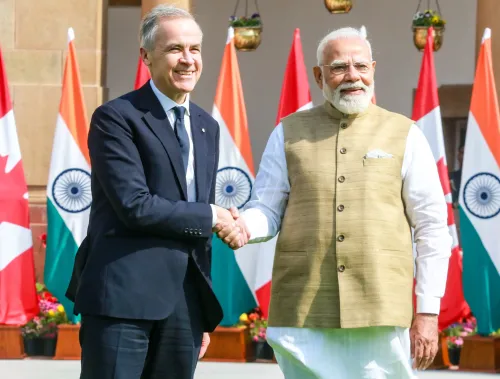
This NSA meeting coincides with Canadian Prime Minister Mark Carney preparing for a visit to India in March. During his discussions with Prime Minister Narendra Modi, further strengthening of bilateral relations is expected.
An Intelligence Bureau official stated that the troubles for Khalistanis are just beginning. He cautioned that these groups might attempt risky actions in Punjab, necessitating heightened vigilance and readiness.
Point of View
It is crucial to uphold a stance that aligns with national interests. The recent developments in India-Canada relations, especially concerning the Khalistan issue, indicate a significant shift towards recognizing terrorism and organized crime over free speech. This change is vital for ensuring national security and stability.
NationPress
30 Sept 2026