Embraer eyes India assembly line for E-Jets amid Airbus, Boeing delays
Synopsis
With Airbus and Boeing backlogs stretching airline patience, Embraer is making its boldest India move yet — an E-Jets assembly line backed by Adani and a C-390 defence deal with Mahindra. The Brazilian planemaker is betting that India's secondary-city aviation boom is the opening it needs to break into a market long dominated by the Big Two.
Key Takeaways
Embraer is in discussions to set up a final assembly line for its E-Jets in India , with talks progressing as of June 2025 .
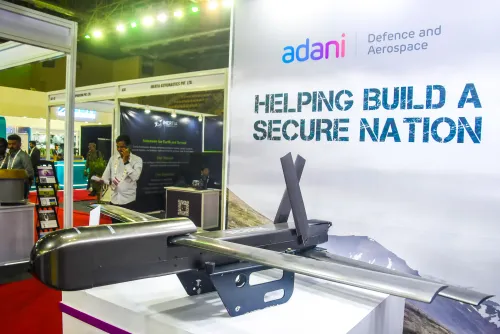
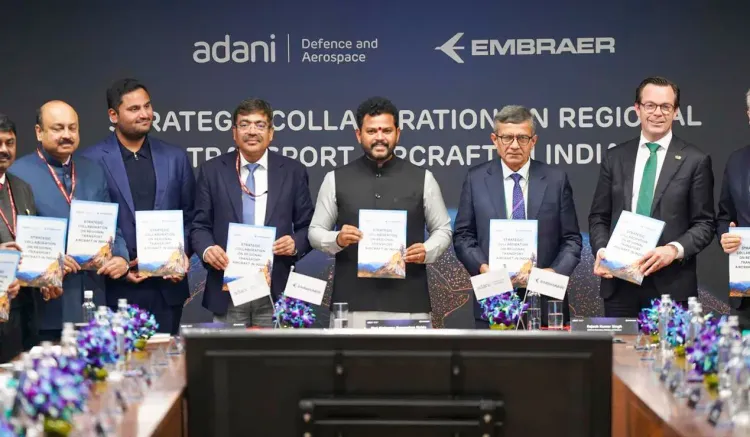
The company has signed an MOU with Adani Defence and Aerospace to establish the E-Jets assembly line.
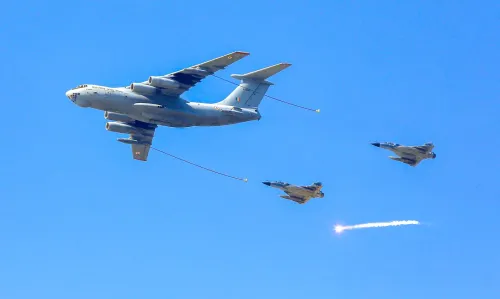
Embraer's Defence and Security division has partnered with Mahindra Group to produce the C-390 Millennium military transport aircraft locally.
CEO Arjan Meijer cited three prerequisites: partner cooperation, airline commitments, and government approvals.
Embraer is targeting the 75-seat segment , aligned with India's UDAN regional connectivity scheme serving secondary and tertiary cities.
The company is also eyeing the Gulf market , saying engine performance concerns in hot climates are being resolved.
Brazilian aircraft manufacturer Embraer is actively pursuing a manufacturing and assembly presence in India, seeing a significant opportunity to position its fuel-efficient regional jets as a credible alternative to Airbus and Boeing, as airlines grapple with soaring fuel costs and mounting delivery backlogs from the world's two dominant plane makers. Discussions around a potential final assembly line in India are reportedly progressing, according to statements made by company executives at a media briefing in São Paulo.
The Adani and Mahindra Partnerships
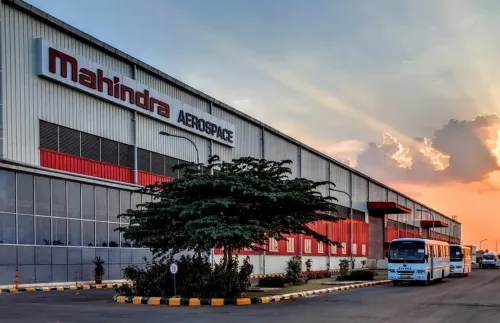
Embraer has signed a memorandum of understanding with Adani Defence and Aerospace and expanded a framework agreement to establish a final assembly line for its popular E-Jets series in India. Separately, Embraer's Defence and Security division has partnered with the Mahindra Group to produce the C-390 Millennium military transport aircraft locally. These dual partnerships signal a broad strategic commitment to building an Indian industrial footprint across both commercial and defence aviation segments.
What Embraer's CEO Said
Embraer Commercial Aviation CEO Arjan Meijer outlined three conditions for the assembly line to materialise. 'It's the cooperation with the partner to set up the line. Secondly, we need to get the commitments from the airlines… and the third one is the discussions that we have collectively also with the government,' Meijer said. He also stressed the strategic logic of smaller aircraft for India's development: 'We know, and also India knows, that to develop a country from within… you need smaller aircraft to connect to secondary and tertiary cities.'
Why India's Regional Aviation Market Is the Target
Embraer believes India's next phase of aviation growth will hinge on connecting smaller cities rather than expanding trunk routes. The company sees strong potential for its E-Jet family — particularly in the 75-seat segment — as India continues to scale regional connectivity initiatives. The Centre's UDAN scheme for regional air connectivity has already laid the groundwork, opening routes to underserved tier-2 and tier-3 cities where large narrowbody jets are commercially unviable.
The Gulf Market and Engine Concerns
Beyond India, Embraer is also targeting the Gulf as a growth market, though the company acknowledged it had previously been cautious due to engine performance concerns in the region's extreme heat. Meijer said those issues are being resolved, citing deployments by operators such as Royal Jordanian. He noted that Embraer had 'deliberately been cautious' while ensuring the aircraft and engines were fully ready for hot operating conditions across Middle East markets.
The Bigger Picture
Embraer's India push comes at a moment when global airline order books are stretched and delivery timelines from Airbus and Boeing have extended significantly, giving regional jet makers an opening to capture deferred demand. With India projected to become one of the world's largest aviation markets within the decade, the company's bet on secondary-city connectivity — backed by two major domestic industrial partners — positions it for a meaningful slice of that growth. Whether the final assembly line clears the remaining hurdles of airline commitments and government approvals will determine how quickly that bet pays off.
Point of View
Airlines, government) is essentially an admission that two of the three legs are still unconfirmed. India's track record on aerospace Make-in-India partnerships is mixed: intent has rarely been the bottleneck, execution has. The UDAN scheme provides genuine demand logic for 75-seat jets, but airline balance sheets — still recovering from the pandemic cycle — may not yield the order commitments Embraer needs to greenlight the line. The Mahindra C-390 deal is the more concrete signal; the commercial assembly line remains a watch item.
NationPress
26 Oct 2026
Frequently Asked Questions
What is Embraer planning to set up in India?
Embraer is pursuing a final assembly line for its E-Jets regional aircraft in India, backed by a memorandum of understanding with Adani Defence and Aerospace. The company is also producing the C-390 Millennium military transport aircraft in India through a partnership with the Mahindra Group.
Why is Embraer focusing on India for regional jets?
Embraer believes India's next aviation growth phase will depend on connecting smaller cities, where its 75-seat E-Jet family is well suited. The Centre's UDAN regional connectivity scheme has already opened routes to tier-2 and tier-3 cities, creating demand for smaller, fuel-efficient aircraft that large narrowbody jets cannot serve economically.
What are the conditions Embraer has set for the India assembly line?
Embraer Commercial Aviation CEO Arjan Meijer outlined three conditions: finalising cooperation with its industrial partner to set up the line, securing commitments from airlines, and completing discussions with the Indian government. All three conditions are reportedly still in progress.
Who are Embraer's partners in India?
Embraer has two key Indian partners: Adani Defence and Aerospace, with whom it has signed an MOU for the E-Jets final assembly line, and Mahindra Group, with whom its Defence and Security division is partnering to produce the C-390 Millennium military transport aircraft locally.
How does Embraer's India plan fit into the global aviation context?
Airbus and Boeing are facing significant delivery backlogs, prompting airlines to explore alternatives. Embraer is positioning its fuel-efficient regional jets as a viable option, particularly for carriers looking to serve secondary cities and thinner routes where large narrowbody aircraft are not commercially practical.