Government Collaborates with Stakeholders to Maintain Trade Flow Amid Global Tensions
Synopsis
In light of growing geopolitical tensions, the Indian government is proactively collaborating with stakeholders to ensure uninterrupted trade operations. This initiative aims to address emerging challenges and enhance supply chain resilience, keeping exporters' interests at the forefront.
Key Takeaways
Government commitment: Ongoing engagement with stakeholders to ensure trade efficiency.
Flexibility in procedures: Support for exporters during genuine disruptions.
Focus on time-sensitive exports: Prioritization of perishables and pharmaceuticals.
Supply chain resilience: Strengthening to navigate global challenges.
MSME support: Protecting interests of small and medium enterprises.
New Delhi, March 2 (NationPress) The government affirmed on Monday its commitment to engage with all stakeholders, along with pertinent ministries and departments, to guarantee the smooth operation of India’s trade and to promptly tackle any emerging challenges.
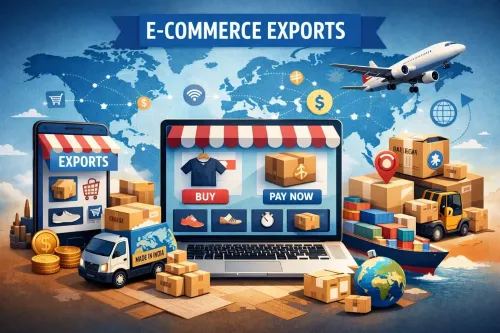
The Centre confirmed its willingness to support trade activities, including offering procedural flexibility for export-related authorizations in cases of genuine disruptions; working with Customs authorities to ensure efficient clearance; liaising with financial and insurance institutions to advocate for exporters' interests; and maintaining ongoing inter-ministerial collaboration.
India has adeptly managed various global disruptions in recent years and is continuously enhancing its supply chain resilience.
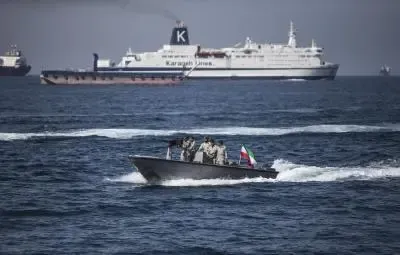
The Department of Commerce convened a stakeholder consultation involving all ministries and essential logistics and trade facilitation partners to examine the current geopolitical landscape and its potential ramifications on India’s export-import (EXIM) cargo movements, alongside the export ecosystem.
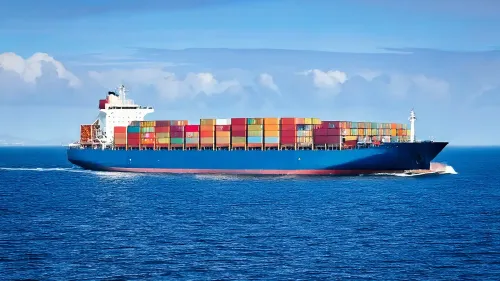
As per an official announcement, stakeholders provided insights into the changing operational environment, which included alterations in routing and transit times, vessel scheduling modifications, container and equipment availability, freight and insurance cost trends, and the implications for time-sensitive exports.
The discussions emphasized the necessity of ensuring predictability in cargo movement, reducing unnecessary delays, and facilitating seamless documentation and payment processes for both exporters and importers, the official statement indicated.
The Department of Commerce reasserted India’s commitment to maintaining continuity in EXIM logistics and minimizing any disruptions to the nation's trade flows.
It was highlighted that the strategy will remain supportive and coordinated, focusing on sustaining supply chain resilience and protecting the interests of exporters—especially MSMEs—while ensuring that essential imports required for domestic production and consumption are not negatively impacted.
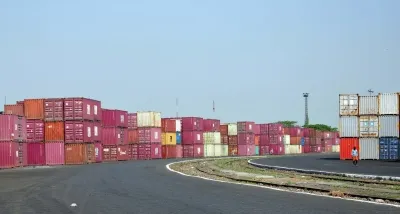
“Discussions also included mechanisms to facilitate time-sensitive export segments such as perishables, pharmaceuticals, and high-value manufactured goods. The meeting underscored the importance of enhancing facilitation at ports and ICDs to ensure efficient cargo evacuation, thereby preventing congestion and prolonged dwell times,” the statement noted.
Point of View
The government's proactive approach in engaging with stakeholders showcases a commitment to maintaining trade continuity amidst geopolitical challenges. This initiative not only supports exporters but also reinforces India's position in global trade dynamics.
NationPress
30 Sept 2026
Frequently Asked Questions
What measures is the government taking to ensure trade continuity?
The government is engaging with stakeholders, offering procedural flexibility for export authorizations, coordinating with Customs for smooth clearance, and liaising with financial institutions to support exporters.
How does the government plan to address emerging trade issues?
By holding consultations with stakeholders to assess the operational environment and implementing strategies to minimize delays and maintain efficient documentation processes.
What is the significance of maintaining supply chain resilience?
It is crucial for ensuring that essential imports and exports are not adversely affected, thereby supporting domestic production and consumption.
How are time-sensitive exports being prioritized?
The government is discussing mechanisms to facilitate exports of perishables, pharmaceuticals, and high-value manufactured goods to avoid congestion and delays.
What role do MSMEs play in this initiative?
MSMEs are a focal point, with strategies aimed at protecting their interests and ensuring they can effectively participate in the trade ecosystem.