Ethiopia rejects Sudan's drone strike accusations as 'baseless', counter-accuses Khartoum
Synopsis
Sudan recalled its ambassador to Ethiopia and warned of 'open confrontation' after alleging drone strikes were launched from Bahir Dar Airport. Ethiopia hit back, calling the accusations baseless and counter-accusing Khartoum of arming TPLF mercenaries along its western frontier — a sharp escalation between two neighbours already strained by Sudan's devastating civil war.
Key Takeaways
Ethiopia on 5 May rejected Sudan's drone strike accusations as "baseless" in a formal Ministry of Foreign Affairs statement.
Sudan recalled its Ambassador to Addis Ababa and warned it is "ready to enter into an open confrontation with Ethiopia." Sudan alleges drones that hit its international airport on Monday were launched from Bahir Dar Airport in Ethiopia.
Ethiopia counter-accused Sudan of arming TPLF mercenaries and facilitating incursions along its western frontier.
Sudan's civil war between the Sudanese Armed Forces and the Rapid Support Forces has killed tens of thousands and displaced millions since mid-April 2023 , according to international estimates.
Ethiopia called for an immediate humanitarian truce, sustained ceasefire, and civilian-led transition process in Sudan.
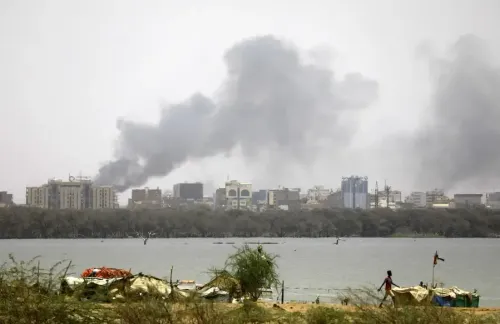
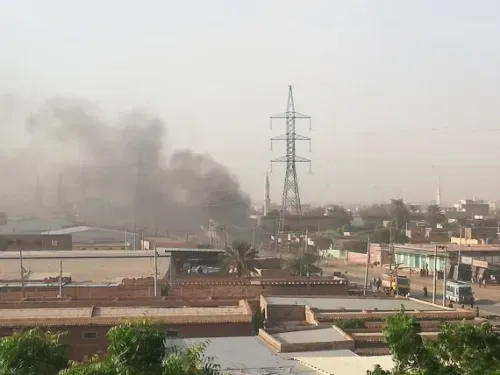
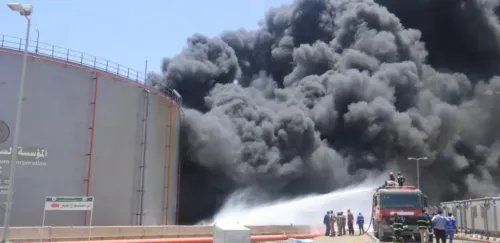
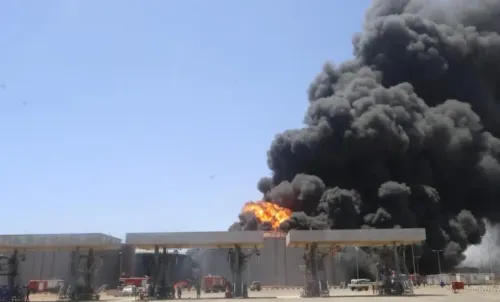
The Ethiopian government on Tuesday, 5 May flatly rejected Sudan's accusations of drone strikes against Sudanese territory as "baseless," while counter-accusing Khartoum of violating Ethiopia's territorial integrity. The diplomatic standoff escalated after Sudan recalled its Ambassador to Ethiopia following alleged drone attacks on its international airport on Monday.
Sudan's Accusation and Military Warning
Sudan's Foreign Minister Mohi El-Din Salem stated on Tuesday that his country is "ready to enter into an open confrontation with Ethiopia." He alleged that "the drones that attacked Sudanese facilities yesterday (Monday) were launched from Ethiopia's Bahir Dar Airport," according to Xinhua news agency. Salem added that Sudan holds "the legal right to respond to the aggression in the manner it deems appropriate," stating, "We do not seek to initiate aggression against any country, but whoever attacks us will be responded to."
Asim Awad Abdelwahab, spokesperson of the Sudanese Armed Forces, further warned that the armed forces "will respond twice as hard," citing what he described as "confirmed information regarding Ethiopia's participation in the aggression against Sudan."
Ethiopia's Denial and Counter-Accusations
The Ethiopian Ministry of Foreign Affairs issued a formal statement rejecting Sudan's claims, calling them "baseless accusations." The ministry accused Khartoum of committing "grave violations" of Ethiopia's territorial integrity and national security. "In recognition of the fraternal ties between the two nations, the Ethiopian government has exercised restraint and refrained from publicising the grave violations of Ethiopia's territorial integrity and national security committed by some belligerents in the Sudanese civil war," the ministry said.
Ethiopia specifically alleged the "extensive use of the Tigray People's Liberation Front (TPLF) mercenaries" in the Sudanese conflict, and accused the Sudanese Armed Forces of providing "arms and financial support to these mercenaries, thereby facilitating their incursions along Ethiopia's western frontier."
Background: Sudan's Ongoing Civil War
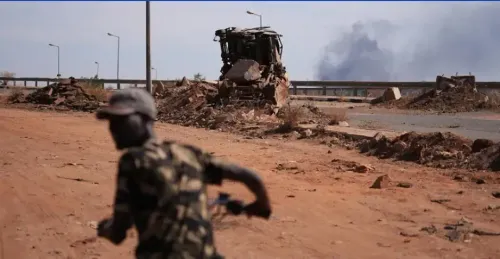
The current crisis unfolds against the backdrop of a devastating civil conflict inside Sudan. Since mid-April 2023, the Sudanese Armed Forces and the Rapid Support Forces (RSF) have been locked in a war that, according to international estimates, has killed tens of thousands and displaced millions of people both within Sudan and abroad. The protracted conflict has drawn in regional actors and complicated diplomatic relationships across the Horn of Africa.
Ethiopia's Call for Peace
Despite the sharp exchange of accusations, the Ethiopian government stressed the need for an immediate humanitarian truce in Sudan, followed by a sustained ceasefire and an "independent, inclusive and transparent civilian-led dialogue and transition process" to lay the foundation for durable peace and the restoration of civilian rule. The call underscores Addis Ababa's stated preference for a negotiated resolution, even as bilateral tensions reach a critical juncture. How both governments manage the next steps will be closely watched by regional bodies including the African Union, which is headquartered in Addis Ababa.
Point of View
Raising the diplomatic temperature considerably. Sudan's warning of responding 'twice as hard' is the kind of rhetoric that, in a region saturated with weapons and active conflict, carries real escalatory risk. The African Union, headquartered in Addis Ababa, faces an acute credibility test: two of the continent's most strategically significant nations are now trading open threats, and the AU's silence or inaction could further erode its standing as a conflict mediator.
NationPress
21 Sept 2026
Frequently Asked Questions
Why did Sudan recall its ambassador to Ethiopia?
Sudan recalled its ambassador to Ethiopia after accusing Addis Ababa of launching drone strikes that hit a Sudanese international airport on Monday, 5 May. Sudan's Foreign Minister Mohi El-Din Salem alleged the drones were launched from Ethiopia's Bahir Dar Airport.
How did Ethiopia respond to Sudan's drone strike accusations?
The Ethiopian Ministry of Foreign Affairs formally rejected Sudan's accusations as 'baseless' and counter-accused Khartoum of violating Ethiopia's territorial integrity by allegedly arming TPLF mercenaries operating along Ethiopia's western frontier.
What is the background to the Ethiopia-Sudan tensions?
The tensions are linked to Sudan's ongoing civil war between the Sudanese Armed Forces and the Rapid Support Forces, which has been raging since mid-April 2023. Ethiopia alleges that the Sudanese Armed Forces have been providing arms and financial support to TPLF mercenaries, complicating bilateral relations.
What has Sudan threatened in response to the alleged drone attacks?
Sudan's Foreign Minister said the country is 'ready to enter into an open confrontation with Ethiopia,' and the Sudanese Armed Forces spokesperson warned they 'will respond twice as hard,' citing confirmed information about Ethiopia's alleged involvement in the attacks.
What is Ethiopia's position on peace in Sudan?
Despite the escalating accusations, Ethiopia has called for an immediate humanitarian truce in Sudan, followed by a sustained ceasefire and a civilian-led dialogue and transition process aimed at restoring civilian rule and achieving durable peace.