Why is the EU Criticizing US Travel Restrictions on Five Europeans?
Key Takeaways
EU strongly condemns US travel restrictions .
Focus on protecting digital sovereignty .
Emphasis on freedom of expression as a core value .
Potential EU actions to defend regulatory autonomy .
Macron's criticism of US measures .
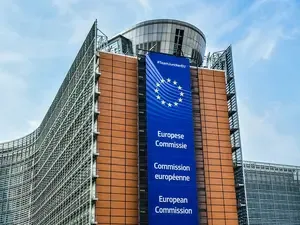
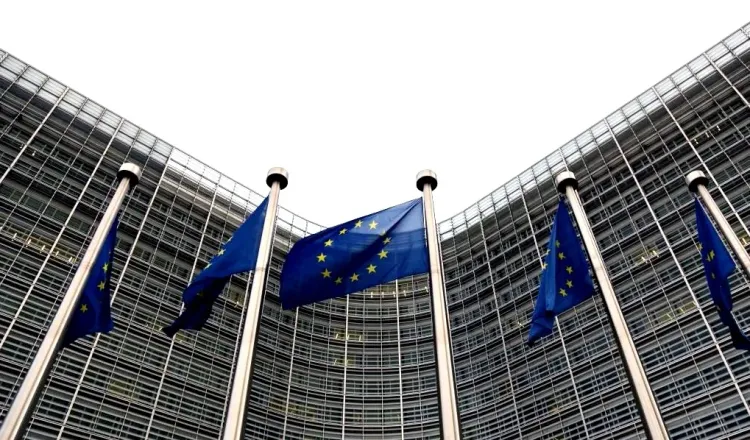
Brussels, Dec 24 (NationPress) The European Commission expressed strong disapproval on Wednesday regarding a decision by the United States to enact travel bans on five individuals from Europe, including former European Commissioner Thierry Breton. The Commission warned it would act "swiftly and decisively" to protect the bloc's regulatory independence if necessary.
According to a spokesperson for the Commission, "Freedom of expression is a fundamental right in Europe and a shared core value with the United States across the democratic world," as reported by Xinhua.
The spokesperson went on to emphasize that the European Union operates as "an open, rules-based single market," retaining its sovereign right to manage economic activities in accordance with its democratic principles and international obligations.
The EU's digital regulations are crafted to guarantee "a safe, fair, and level playing field for all companies," ensuring that these rules are enforced fairly and without bias, as noted by the spokesperson, according to Xinhua News Agency.
The Commission has sought clarifications from US authorities and remains in dialogue, the spokesperson added.
On Tuesday, the US State Department announced visa restrictions on five individuals from the EU and Britain, alleging their involvement in content censorship on US social media platforms.
Under Secretary for Public Diplomacy Sarah Rogers later disclosed the identities of the five individuals on X, identifying Breton as the "mastermind behind the Digital Services Act."
Earlier, French President Emmanuel Macron criticized the US visa restrictions aimed at Breton and the other European figures, labeling the actions as "intimidation and coercion" intended to undermine European digital sovereignty.
Macron stated on X, "France condemns the visa restrictions imposed by the United States against Thierry Breton and four other European figures. These actions are tantamount to intimidation and coercion aimed at eroding European digital sovereignty. The EU's digital regulations were established through a democratic process by the European Parliament and the Council."
He added, "These regulations are designed to ensure fair competition among platforms without targeting any third country and to confirm that what is illegal offline is also illegal online. The governance of the EU's digital landscape should not be dictated from outside Europe. Together with the European Commission and our partners within Europe, we will persist in defending our digital sovereignty and regulatory independence."
Point of View
I observe the EU's strong response to US travel restrictions as a critical moment in international relations. This situation underscores the importance of digital sovereignty and the need for nations to uphold freedom of expression without external interference. The EU's commitment to defend its regulatory autonomy reflects a growing resolve to protect its democratic values.
NationPress
29 Sept 2026
Frequently Asked Questions
What are the US travel restrictions on European individuals?
The US has imposed travel restrictions on five European individuals, alleging their involvement in content censorship on US social media platforms.
Who is Thierry Breton?
Thierry Breton is a former European Commissioner known for his significant role in shaping the EU's digital regulations, including the Digital Services Act.
What is the EU's stance on freedom of expression?
The EU views freedom of expression as a fundamental right and a shared core value with the United States, essential for democracy.
How has France responded to the US restrictions?
French President Emmanuel Macron has criticized the US restrictions, describing them as intimidation aimed at undermining European digital sovereignty.
What is the significance of the EU's digital regulations?
The EU's digital regulations aim to ensure a safe and fair marketplace, promoting competition among companies while upholding democratic values.