Why Did French President Condemn US Visa Restrictions on Former EU Commissioner and Four Others?

Synopsis
French President Emmanuel Macron has vehemently criticized US visa restrictions on former European Commissioner Thierry Breton and four other European figures. He labeled the measures as intimidation aimed at compromising Europe's digital sovereignty. This move highlights the ongoing tension between US policies and European regulatory independence.
Key Takeaways
Macron criticized US visa restrictions as intimidation.
These measures target key figures in the fight against hate speech.
European digital regulations were democratically established.
Macron vows to defend European digital sovereignty.
US Secretary of State labels these figures as 'radical activists.'
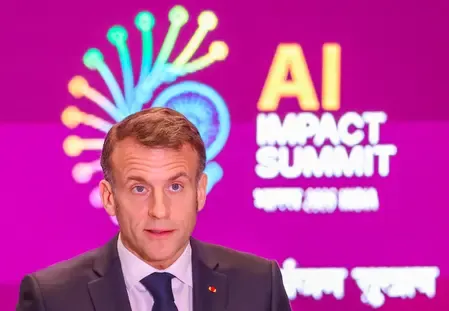
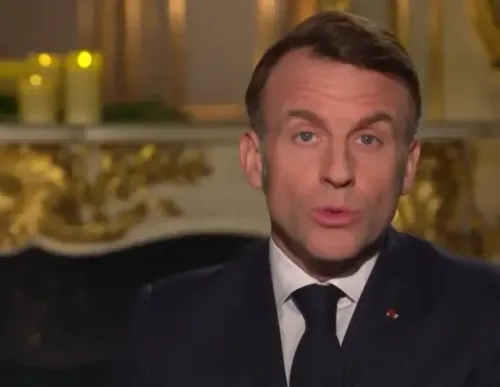
Paris, Dec 24 (NationPress) French President Emmanuel Macron expressed disapproval on Wednesday regarding the US visa restrictions imposed on former European Commissioner for Internal Market Thierry Breton and four additional European dignitaries. He described these actions as "intimidation and coercion" that threaten the integrity of European digital sovereignty.
Macron's remarks follow the US announcement of a ban on Breton and four other European citizens who have been active in combatting hate speech, as part of a sanctions package aimed at what the US identified as digital censorship.
"France strongly denounces the visa restrictions imposed by the United States against Thierry Breton and the other European figures. These actions represent intimidation and coercion that jeopardize European digital sovereignty. The European Union’s digital regulations were established through a democratic process involving the European Parliament and the Council," Macron stated on X.
"These regulations are designed to promote fair competition among platforms and do not target any external nation, ensuring that what is illegal offline also remains illegal online. Decisions regarding the European Union’s digital landscape should not be dictated outside of Europe. We will persist in defending our digital sovereignty and regulatory independence alongside the European Commission and our European allies," he further asserted.
The Trump administration recently revoked the US visas of UK nationals Imran Ahmed and Clare Melford, leaders of the Centre for Countering Digital Hate and the Global Disinformation Index, respectively, according to Politico.
Additionally, Germany's Anna-Lena von Hodenberg and Josephine Ballon, who head the non-profit Hate Aid focused on monitoring digital disinformation from far-right groups, are also facing visa bans.
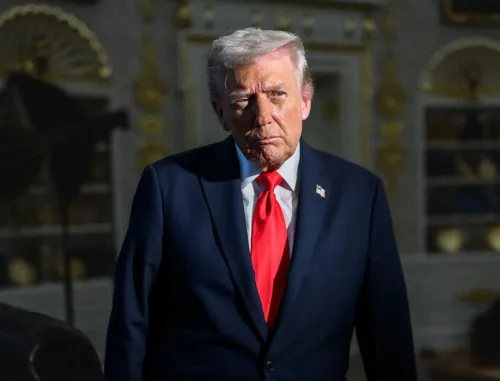
In an official statement, US Secretary of State Marco Rubio indicated that these latest sanctions were directed at "radical activists" who had worked to "coerce American platforms to censor, demonetize, and suppress American viewpoints."
Point of View
It is imperative to recognize the significance of Macron's condemnation of US visa restrictions. This situation underscores the complexities of transatlantic relations and the challenges faced by Europe in asserting its digital sovereignty. The implications of these sanctions extend beyond diplomatic tensions, impacting regulatory autonomy in the digital space.
NationPress
24 Sept 2026
Frequently Asked Questions
What are the US visa restrictions about?
The US has imposed visa restrictions on former EU Commissioner Thierry Breton and four other European figures involved in combating hate speech, labeling them as part of a sanctions package against digital censorship.
How did Macron react to these restrictions?
French President Emmanuel Macron condemned the US actions, describing them as intimidation that threatens European digital sovereignty.
What is the European stance on digital regulations?
Macron emphasized that European digital regulations are established through a democratic process and should not be influenced by external forces like the US.
Who else is affected by these visa bans?
The visa bans also affect UK nationals Imran Ahmed and Clare Melford, as well as German activists Anna-Lena von Hodenberg and Josephine Ballon.
What are the implications of these sanctions?
These sanctions could strain relations between the US and Europe, highlighting the ongoing battle over digital governance and freedom of expression.