50+ GOP lawmakers urge Trump to block Chinese EV makers from US soil
Synopsis
More than 50 House Republicans have sent a rare unified warning to three of Trump's top trade officials: keep Chinese EV and battery makers off American soil. The letter ties together jobs, cybersecurity, and USMCA loopholes — and lands just as Trump and Xi are expected to meet on trade.
Key Takeaways
More than 50 House Republicans signed a letter on 7 May urging the Trump administration to block Chinese automotive and battery firms from manufacturing in the US.
The letter was led by Representatives Mike Kelly and Gus Bilirakis and addressed to Treasury Secretary Scott Bessent , Commerce Secretary Howard Lutnick , and US Trade Representative Jamieson Greer .
Lawmakers warned that Chinese-made vehicles could collect sensitive data and potentially allow remote access by Chinese actors over vehicles on American roads.
The letter calls for preserving Section 301 tariffs and the Commerce Department's connected vehicle rule .
Signatories include lawmakers from Michigan , Ohio , Pennsylvania , Texas , and Florida — states with significant automotive manufacturing interests.
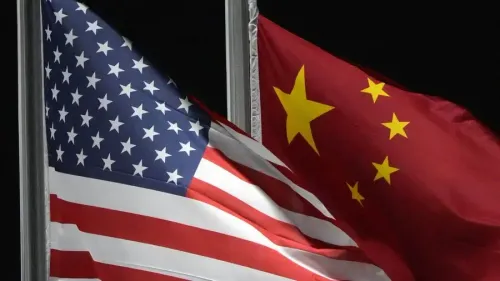
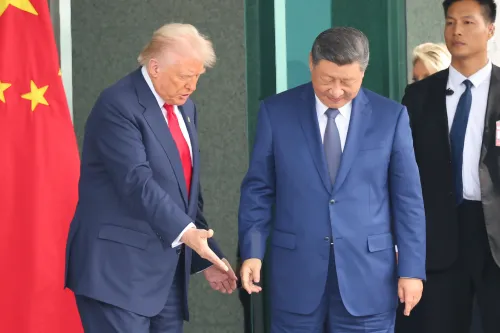
The push comes ahead of an expected meeting between President Donald Trump and Chinese President Xi Jinping on trade issues.
More than 50 Republican lawmakers have formally urged the Trump administration to block Chinese automotive and battery companies from establishing manufacturing operations in the United States, warning that such a move would imperil American jobs, supply chains, and national security. The letter, dated 7 May, marks one of the most coordinated congressional pushes yet against Chinese EV expansion into North America.
What the Letter Demands
Led by Representatives Mike Kelly and Gus Bilirakis, the lawmakers addressed their concerns directly to Treasury Secretary Scott Bessent, Commerce Secretary Howard Lutnick, and US Trade Representative Jamieson Greer. They called on the three officials to reject any effort by Chinese firms to build vehicle and battery manufacturing facilities in the US or the broader North American market.
The letter urges the administration to preserve existing safeguards, including the Commerce Department's connected vehicle rule and Section 301 tariffs on Chinese electric vehicles — two pillars of the current regulatory architecture targeting Chinese automotive imports.
The Economic and Security Case
The lawmakers argued that the US automotive industry contributes more than 5 per cent of the country's GDP and supports millions of manufacturing jobs. They warned that heavily subsidised Chinese companies could deploy what they described as
Point of View
Cybersecurity anxiety, and trade-framework integrity into a single ask, making it harder to dismiss on any one front. The USMCA angle is the sharpest edge — if Chinese state enterprises can route manufacturing through Mexico to access US markets, tariffs become largely symbolic. Whether the administration acts or uses the letter as leverage in talks with Beijing remains the open question.
NationPress
10 May 2026
Frequently Asked Questions
Why are Republican lawmakers urging the Trump administration to block Chinese EV manufacturers?
More than 50 House Republicans argue that Chinese automotive and battery companies, backed by large state subsidies, pose a threat to American jobs, supply chains, and national security. They also raised concerns about data collection and potential remote access to Chinese-made vehicles operating on US roads.
Who signed the letter and who was it addressed to?
The letter was led by Representatives Mike Kelly and Gus Bilirakis and signed by more than 50 House Republicans, including lawmakers from Michigan, Ohio, Pennsylvania, Texas, and Florida. It was addressed to Treasury Secretary Scott Bessent, Commerce Secretary Howard Lutnick, and US Trade Representative Jamieson Greer.
What specific policies do the lawmakers want preserved or introduced?
The lawmakers called for maintaining the Commerce Department's connected vehicle rule and Section 301 tariffs on Chinese electric vehicles. They also urged the creation of a formal foreign investment screening mechanism to prevent Chinese state-owned enterprises from exploiting the USMCA framework.
How does the USMCA factor into the Chinese EV debate?
Lawmakers warned that Chinese state-owned enterprises are attempting to use North American trade frameworks, particularly the United States-Mexico-Canada Agreement (USMCA), to bypass US economic security measures by routing manufacturing through partner countries like Mexico.
When is the Trump-Xi meeting on trade expected to take place?
The letter does not specify an exact date, but it was timed ahead of an expected meeting between President Donald Trump and Chinese President Xi Jinping to discuss trade issues, suggesting the lawmakers intended it as a pre-negotiation pressure signal.