EU urged to deny Pakistan GSP+ renewal over rights failures: Report
Synopsis
A detailed new report argues the EU should block Pakistan's GSP+ renewal when the revised framework takes effect in January 2027 — pointing to documented backsliding on enforced disappearances, blasphemy laws, and media freedom. With Pakistan saving 732 million euros in tariffs in 2024 alone, the stakes are high for both sides, and the EU's decision could redefine how it enforces trade conditionality globally.
Key Takeaways
A European Times report urges the EU to withhold renewal of Pakistan's GSP+ trade access when the new framework takes effect in January 2027 .
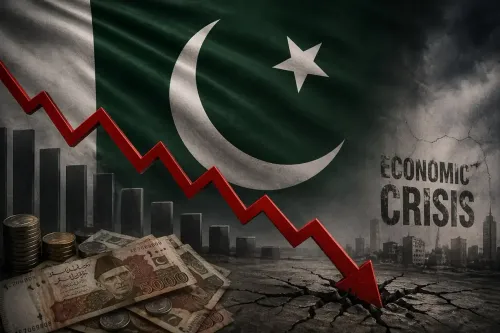
Pakistan, the scheme's largest beneficiary since 2014 , exported 7.5 billion euros of eligible goods in 2024 and saved an estimated 732 million euros in tariffs.
The European Commission's 2023–2025 monitoring assessment found Pakistan 'regressed in a number of areas' with limited genuine progress on the ground.
Key concerns include enforced disappearances , media freedom , judicial independence , and laws on blasphemy, cybercrime and counterterrorism.
Over 300 people remained imprisoned as of April 2026 in what the EU Commission called an organised blasphemy extortion scheme; at least 450 were falsely charged according to Pakistan's own National Commission for Human Rights .
Pakistan told the EU it has no plans to criminalise enforced disappearance, contradicting recommendations from international human rights bodies.
A new report has called on the European Union to withhold renewal of Pakistan's preferential trade access under the Generalised Scheme of Preferences Plus (GSP+), citing Islamabad's persistent failure to implement key human rights, labour and governance reforms. The findings come as the new GSP+ framework is set to take effect in January 2027, requiring all existing beneficiaries to reapply.
What the Report Found
The report, published by the European Times, assessed Pakistan's compliance with the GSP+ scheme, which grants duty-free access to the EU market in exchange for implementing 27 international conventions covering human rights, labour standards, environmental protection and governance. According to the report, Pakistan not only failed to make adequate progress on its commitments but also passed laws that moved in the opposite direction of the required reforms during the monitoring period.
'Continuing to reward duty-free access to Pakistan would not be generosity but the abandonment of the only leverage the EU holds,' the report stated.
Pakistan's Trade Gains Under GSP+
Pakistan has been the largest beneficiary of the GSP+ programme since joining it in 2014. In 2024, it exported approximately 7.5 billion euros of eligible goods — overwhelmingly textiles and clothing — and saved an estimated 732 million euros in tariffs. The scale of these benefits, critics argue, makes GSP+ the EU's most significant point of leverage over Islamabad on rights accountability.
Key Human Rights Concerns
Citing the European Commission's latest monitoring assessment covering 2023–2025, the report said Pakistan had 'regressed in a number of areas while positive change was limited,' with any progress described as 'of legislative and administrative nature' without meaningful effect on the ground. Areas of concern include enforced disappearances, deterioration of media freedom, judicial independence and accountability mechanisms.
The Commission has called for amendments or repeal of laws on blasphemy, cybercrime, defamation, counterterrorism and sedition, and flagged what it describes as a prevailing sense of impunity. The report also noted that the Commission of Inquiry on Enforced Disappearances (CoIED) closed over 9,000 cases without finding evidence of state involvement in any of them — a finding the report called implausible.
Pakistan further informed the EU that it had no plans to enact legislation specifically criminalising enforced disappearance, in direct contradiction of recommendations from the Committee Against Torture and the Human Rights Committee.
Blasphemy and False Imprisonment
The report cited the EU Commission's own data, which puts the number of people entrapped by what it describes as an 'organised blasphemy extortion racket' at more than 800, with over 300 still imprisoned as of April 2026. The National Commission for Human Rights identified at least 450 people falsely charged through the same scheme.
What Happens Next
With the revised GSP+ framework taking effect in January 2027, the report argues that Pakistan's reapplication should not succeed in this cycle, given the documented backsliding. The EU's decision will be closely watched, as it would set a precedent for how the bloc enforces conditionality on trade access — a question with implications well beyond Pakistan.
Point of View
Brussels faces a test of institutional credibility: either enforce conditionality or concede that GSP+ is an unconditional subsidy dressed up as a rights instrument. The CoIED closing 9,000 enforced-disappearance cases without finding state involvement in any is precisely the kind of implausible finding that, left unchallenged, corrodes the entire monitoring framework.
NationPress
16 Nov 2026
Frequently Asked Questions
What is the GSP+ scheme and how does Pakistan benefit from it?
The GSP+ is an EU trade arrangement that grants duty-free market access in exchange for implementing 27 international conventions on human rights, labour standards, the environment and governance. Pakistan has been the scheme's largest beneficiary since 2014, exporting around 7.5 billion euros of eligible goods in 2024 and saving an estimated 732 million euros in tariffs that year.
Why is the report calling for Pakistan's GSP+ renewal to be denied?
The report argues Pakistan has not only failed to make adequate progress on its GSP+ commitments but has passed laws moving in the opposite direction of required reforms. The EU Commission's own 2023–2025 monitoring assessment found Pakistan regressed in several areas, with concerns over enforced disappearances, media freedom, judicial independence and blasphemy-related imprisonment.
When does the new GSP+ framework take effect and what does it mean for Pakistan?
The revised GSP+ framework takes effect in January 2027, requiring all current beneficiaries — including Pakistan — to formally reapply. The report argues Pakistan's application should not succeed in this cycle given documented backsliding on the scheme's core conditions.
What did Pakistan say about criminalising enforced disappearances?
Pakistan informed the EU that it had no plans to enact legislation specifically criminalising enforced disappearance. This directly contradicts recommendations from the Committee Against Torture and the Human Rights Committee, two key UN treaty bodies whose conventions Pakistan is obligated to uphold under GSP+ terms.
How many people are affected by Pakistan's blasphemy laws according to the report?
The EU Commission's own data cited in the report puts the number of people entrapped in an organised blasphemy extortion scheme at more than 800, with over 300 still imprisoned as of April 2026. Pakistan's National Commission for Human Rights separately identified at least 450 people falsely charged through the same scheme.