Pakistan risks losing EU GSP+ status over governance, rights failures
Synopsis
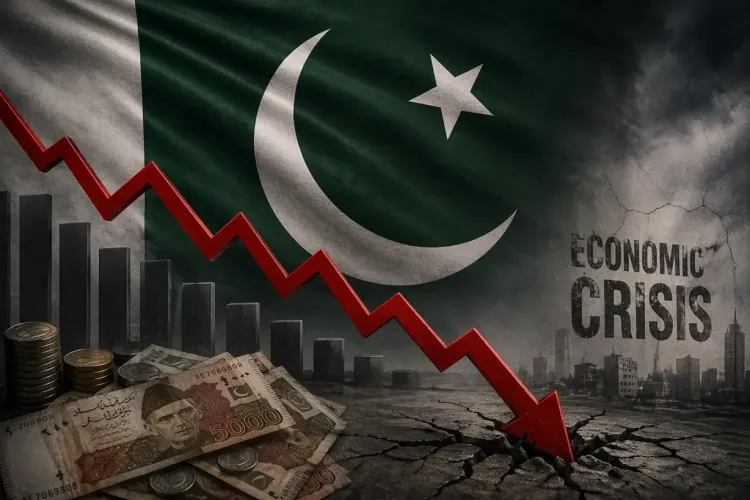
Pakistan received EUR 7.5 billion in EU exports and EUR 732 million in tariff relief under GSP+ in 2024 — yet the EU now flags regression on judicial independence, forced labour, and civil-society space. A formal loss of GSP+ status would be a severe blow to Pakistan's export economy, and the revised framework gives Islamabad little room to hide behind legislative gestures.
Key Takeaways
Pakistan faces a 'significant risk' of losing EU GSP+ preferential trade status over weak human-rights and governance implementation.
Pakistan exported EUR 7.5 billion in GSP+-eligible goods to Europe in 2024 and received nearly EUR 732 million in tariff exemptions.
The EU flagged regression in judicial independence , civil-society space, and labour rights, including continued forced labour.
Recent constitutional amendments in Pakistan have been criticised for 'further undermining judicial independence,' according to the EU.
The EU report noted continued enforced disappearances and extrajudicial killings in the Kashmir region, with perpetrators not held accountable.
The revised GSP+ framework sets a stricter eligibility test, requiring on-the-ground outcomes rather than administrative or legislative gestures alone.
Pakistan faces a significant and growing risk of losing preferential access to the European Union market under the revised Generalised Scheme of Preferences Plus (GSP+) framework, after an EU assessment flagged weak implementation of human-rights and governance commitments. A report by the European Times has warned that progress in Pakistan has remained largely administrative and legislative, failing to translate into measurable improvements on the ground.
What Is at Stake
The financial exposure is substantial. Pakistan exported EUR 7.5 billion worth of GSP+ eligible goods to Europe in 2024 and received nearly EUR 732 million in tariff exemptions under the scheme. The revised GSP+ framework, however, has introduced a stricter eligibility test — one that Pakistan reportedly struggles to meet despite years of preferential access.
According to the report, Islamabad reaped considerable dividends from EU market access but failed to deliver the structural reforms that were meant to accompany those benefits. This combination — sustained gains without corresponding reform — has placed Pakistan in a precarious position as the EU evaluates compliance afresh.
EU's Specific Concerns
The European Union has expressed concern over a lack of positive developments and, in some areas, outright regression. Among the issues flagged: judicial independence, civil-society space, and labour rights. The EU noted that 'recent constitutional amendments have been criticised for further undermining judicial independence,' compounding existing obstacles to fair trial and access to justice. Forced labour, the EU said, 'continued to affect too many.'
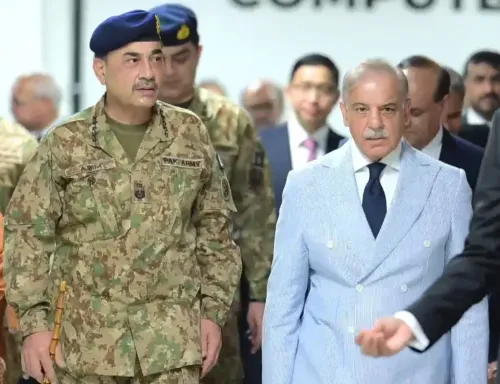
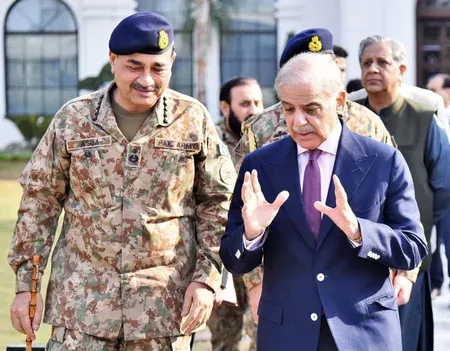
The bloc also pointed to structural weaknesses in Pakistan's political system, including growing military influence, allegations of electoral irregularities, and a crackdown on opposition parties — all of which have reportedly eroded public confidence in state institutions.
Kashmir and Human Rights Violations
The EU report specifically mentioned instances in the Kashmir region, stating that 'enforced disappearances and extrajudicial killings have continued to increase, and perpetrators were not held accountable.' This represents one of the sharper findings in the assessment and signals that the EU's scrutiny extends beyond economic governance to security and accountability frameworks.
The EU has also called on Pakistan to address a range of social concerns, including violence against women, child marriage, and discrimination against religious and ethnic minorities.
What Happens Next
The revised GSP+ framework creates a fresh eligibility threshold that Pakistan must now demonstrably meet — not merely on paper, but through verifiable, on-the-ground outcomes. A formal loss of GSP+ status would deal a significant blow to Pakistan's textile and manufacturing export sectors, which are heavily reliant on duty-free access to European markets. Analysts note that the EU has used similar warnings with other beneficiary countries before initiating formal review procedures, suggesting Islamabad may still have a window to act — but that window appears to be narrowing.
Point of View
Reforms deferred. The EU's language — 'regression' rather than merely 'slow progress' — is a meaningful escalation, and the specific citation of constitutional amendments undermining judicial independence signals that Brussels is watching legislative backsliding, not just executive inaction. For a Pakistani economy already under IMF scrutiny, the loss of EUR 732 million in annual tariff relief would arrive at the worst possible moment. The deeper irony is that the sectors most exposed — textiles, garments — employ millions of low-income workers whose welfare the GSP+ framework was designed to improve. The cost of governance failure, as always, falls furthest from those who make the decisions.
NationPress
24 Oct 2026
Frequently Asked Questions
What is the EU GSP+ scheme and why does it matter for Pakistan?
The EU Generalised Scheme of Preferences Plus (GSP+ ) grants eligible developing countries duty-free or reduced-tariff access to the European market in exchange for implementing 27 international conventions on human rights, labour rights, environmental protection, and good governance. For Pakistan, the scheme underpinned EUR 7.5 billion in exports and nearly EUR 732 million in tariff savings in 2024 alone, making it a critical pillar of the country's trade economy.
Why is Pakistan at risk of losing GSP+ status?
An EU assessment found that Pakistan's progress has been largely administrative and legislative, without translating into measurable improvements on the ground. The EU flagged regression in judicial independence, civil-society space, labour rights, and accountability for human rights violations, placing Pakistan at 'significant risk' of losing the status under the revised, stricter eligibility framework.
What specific human rights concerns has the EU raised about Pakistan?
The EU cited recent constitutional amendments that critics say further undermine judicial independence, continued forced labour, obstacles to fair trials, growing military influence in politics, alleged electoral irregularities, and a crackdown on opposition. The report also specifically mentioned continued enforced disappearances and extrajudicial killings in the Kashmir region, with perpetrators not held accountable.
What would Pakistan lose if GSP+ status is withdrawn?
A withdrawal would end the nearly EUR 732 million in annual tariff exemptions Pakistan currently enjoys on exports worth EUR 7.5 billion to Europe. Textile and manufacturing sectors, which are among Pakistan's largest employers and export earners, would be hit hardest as their goods would face standard EU tariffs.
Can Pakistan still avoid losing GSP+ status?
Analysts note that the EU has previously issued similar warnings to beneficiary countries before initiating formal review procedures, suggesting Pakistan may still have a window to demonstrate credible, on-the-ground reforms. However, the EU's revised framework demands verifiable outcomes — not legislative gestures — narrowing the scope for the kind of procedural compliance Pakistan has offered so far.