Sheikh Hasina death sentence unfair, BNP govt hostile to India: Ex-envoy
Synopsis
A former Indian High Commissioner to Bangladesh has called Sheikh Hasina's death sentence the product of a flawed 'kangaroo court,' while accusing the BNP government of deliberately stonewalling India — from delaying diplomatic credentials to breaking pre-election assurances and pivoting toward China on security-sensitive projects.
Key Takeaways
Former Indian envoy Veena Sikri called Bangladesh's International Crimes Tribunal (ICT) trial of Sheikh Hasina a 'kangaroo court' proceeding conducted in absentia without adequate defence.
Sikri said Hasina's wish to return to Dhaka and appeal her death sentence is legitimate and 'not political.' India's High Commissioner Dinesh Trivedi reportedly waited nearly three weeks to present credentials — described as 'unprecedented' — and has yet to meet Bangladesh's Prime Minister.
Bangladesh PM Tarique Rahman has allegedly not fulfilled pre-election assurances, including lifting a ban on Awami League participation and visiting India first.
Sikri flagged Rahman's visit to China and agreements on projects she described as crossing India's 'security red line' as a further sign of deteriorating ties.
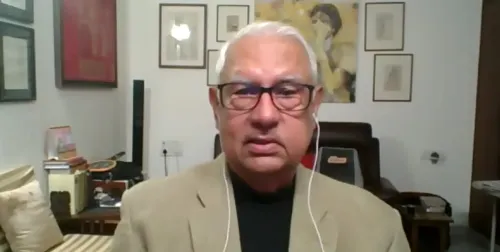
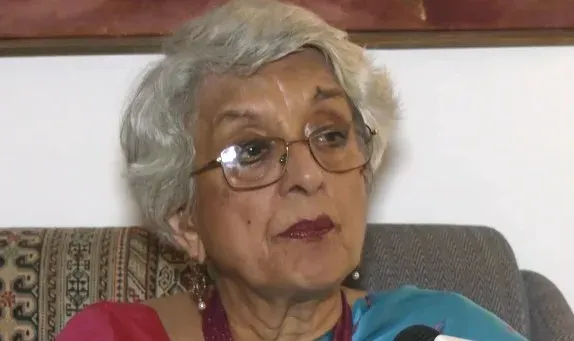
India's former High Commissioner to Bangladesh, Veena Sikri, on Tuesday, 4 August sharply criticised the Bangladesh judiciary's handling of former Prime Minister Sheikh Hasina's case, calling the trial a 'kangaroo court' proceeding and asserting that Hasina's wish to return to Dhaka and appeal her death sentence is entirely legitimate. Sikri also accused the Bangladesh Nationalist Party (BNP) government of deliberately undermining bilateral ties with India.
The Death Sentence and Trial Concerns
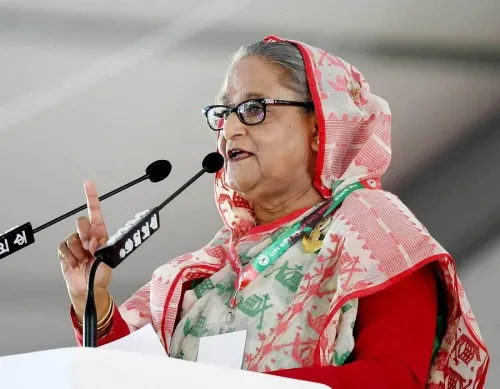
Sheikh Hasina was convicted and awarded a death sentence by Bangladesh's International Crimes Tribunal (ICT) in a trial conducted in absentia. Sikri argued that the tribunal lacked the authority to try Hasina and that the proceedings were fundamentally flawed. 'She has been given a death sentence by something described as a kangaroo court in Bangladesh. That court is not authorised to try her. They didn't allow her to bring her own defence,' Sikri said. She further noted that the court-appointed defence lawyer was, by her account, entirely passive during proceedings. The former diplomat called for a 'proper hearing' in which Hasina would be permitted to engage legal counsel of her own choosing.
Not Politics — A Question of Judicial Fairness
Sikri was categorical that Hasina's stated desire to return to Dhaka and file an appeal should not be framed as a political act. 'I don't consider it as a political activity. She just said she wants to go back,' she said. She pushed back on suggestions that Hasina's potential return could strain India-Bangladesh ties, questioning the very premise of such a warning. 'I don't understand, first of all, on what basis the BNP government is saying it will affect bilateral relations,' she remarked, adding that in her assessment, the BNP administration is itself 'not interested in having good bilateral relations with India.'
India's High Commissioner Faces Protocol Hurdles in Dhaka
Sikri also raised concerns about the treatment of Dinesh Trivedi, India's newly appointed High Commissioner to Bangladesh, describing him as a cabinet-rank political appointee and 'almost like a special envoy of Prime Minister Narendra Modi.' According to Sikri, upon Trivedi's arrival in Dhaka, Jamaat-e-Islami attempted to manufacture controversy over a statement he made. More significantly, she said, the Bangladesh government delayed granting him credentials for nearly three weeks — a duration she called 'quite unprecedented.' She further noted that the routine courtesy call by a new High Commissioner on the host country's Prime Minister had still not taken place. 'Our High Commissioner has not been able to talk directly to the Prime Minister. I don't think these are indications that Bangladesh wants good relations with India,' Sikri said.
BNP's Unfulfilled Assurances and the China Factor
Sikri also turned her attention to Bangladesh Prime Minister Tarique Rahman, alleging that he had failed to honour pre-election commitments. These reportedly included lifting an executive order banning political participation by the Awami League and making India his first foreign visit as Prime Minister. 'He has not kept any of his assurances,' Sikri said. She added that Rahman's subsequent visit to China — and his agreement on projects she characterised as crossing India's 'security red line' — had further deepened concerns in New Delhi about the trajectory of the bilateral relationship.
What This Signals for India-Bangladesh Ties
The remarks from a seasoned former diplomat carry weight at a moment when India-Bangladesh relations are under considerable strain. The combination of diplomatic protocol snubs, unmet political assurances, and a high-profile death sentence against a leader historically close to India paints a picture of a relationship under deliberate stress. How New Delhi chooses to respond — and whether Dhaka recalibrates — will likely define the bilateral dynamic for the remainder of the current Bangladesh administration.
Point of View
Yet silence is being read in Dhaka as acquiescence. The three-week credentials delay and the stalled Prime Ministerial call are not diplomatic accidents — they are signals. The real question is whether New Delhi will move beyond statements by former envoys and recalibrate its Bangladesh policy before Dhaka's tilt toward China becomes irreversible.
NationPress
19 Sept 2026
Frequently Asked Questions
Why does Veena Sikri call Sheikh Hasina's trial unfair?
Veena Sikri argues the Bangladesh International Crimes Tribunal lacked the authority to try Hasina, conducted the trial in absentia, and denied her the right to choose her own defence lawyer. She described the proceedings as a 'kangaroo court' that did not meet basic standards of judicial fairness.
What is Sheikh Hasina's current legal situation in Bangladesh?
Sheikh Hasina has been convicted and sentenced to death by Bangladesh's International Crimes Tribunal in a trial held in her absence. She has reportedly expressed a desire to return to Dhaka to file an appeal against the sentence.
Why has India's new High Commissioner to Bangladesh faced difficulties?
According to Sikri, Dinesh Trivedi faced a manufactured controversy upon arrival, waited nearly three weeks to present his credentials — which she called unprecedented — and has still not been granted a courtesy call with Bangladesh's Prime Minister.
What assurances did Bangladesh PM Tarique Rahman reportedly make before elections?
Tarique Rahman reportedly committed to lifting an executive order banning the Awami League from political participation and pledged to make India his first foreign visit as Prime Minister. Sikri says neither assurance has been honoured.
How does Tarique Rahman's visit to China factor into India-Bangladesh tensions?
Sikri said Rahman's visit to China and his agreement on certain projects represent what she described as a 'security red line' for India, compounding existing concerns about the BNP government's posture toward New Delhi.