Fadnavis backs CJI Surya Kant, accuses opposition of targeting constitutional bodies
Synopsis
Maharashtra CM Devendra Fadnavis has gone on the offensive, accusing opposition parties of a coordinated conspiracy to delegitimise the Supreme Court, the Election Commission, and the RBI — framing street protests not as democratic dissent but as a design to install 'ultra-Leftist' anarchy. The remarks signal a sharpening BJP counter-offensive as tensions over judicial and electoral accountability escalate nationally.
Key Takeaways
Maharashtra CM Devendra Fadnavis on 12 October defended CJI Surya Kant 's refusal to meet street protesters, calling it constitutionally sound.
Fadnavis alleged a systematic conspiracy to delegitimise the Supreme Court , Election Commission of India , and Reserve Bank of India .
He accused opposition groups of orchestrating 'ultra-Leftist' anarchy rather than conducting lawful democratic protest.
BJP National President Nitin Nabin separately alleged the INDIA bloc was acting at the behest of 'foreign forces' to destabilise the nation.
Fadnavis cited his government's engagement with Naxalites as evidence of his administration's commitment to democratic dialogue over lawlessness.
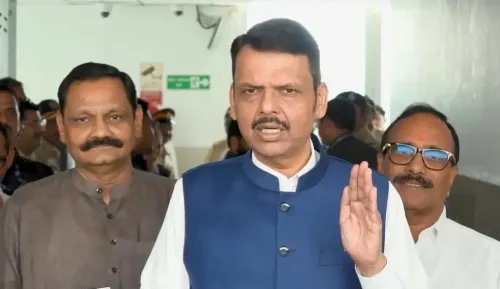
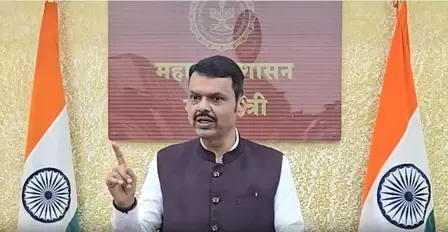
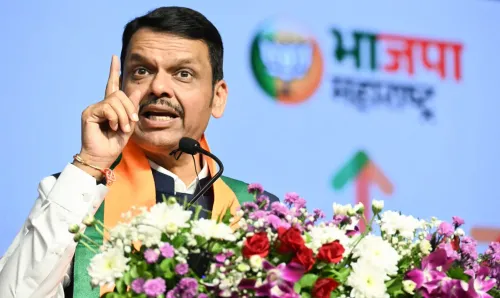
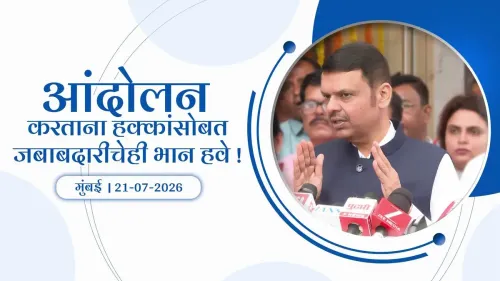
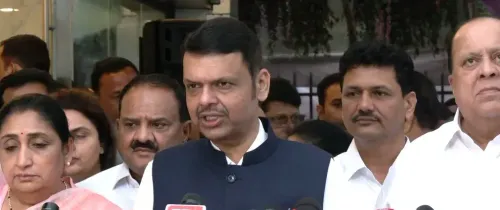
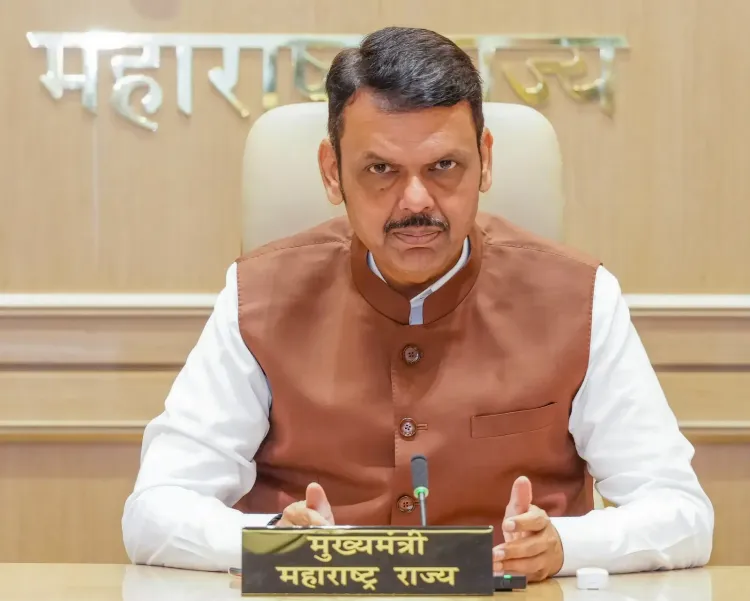
Maharashtra Chief Minister Devendra Fadnavis on Monday, 12 October launched a sharp attack on opposition parties and activist groups in Mumbai, defending Chief Justice of India Surya Kant's decision to decline a meeting with street protesters. Speaking at a media interaction, Fadnavis accused these groups of running a systematic campaign to erode India's core constitutional institutions.
Fadnavis Defends CJI's Refusal to Meet Protesters
Challenging the premise of the demonstrations, Chief Minister Fadnavis asked pointedly, 'Which Constitution states that the Chief Justice of India should meet protesters and marchers?' He argued that CJI Surya Kant acted entirely within his constitutional authority, and praised the judiciary's position that grievances must be resolved through courtrooms rather than street pressure.
Fadnavis alleged that a coordinated conspiracy is underway to systematically delegitimise independent constitutional pillars — naming specifically the Supreme Court, the Election Commission of India (ECI), and the Reserve Bank of India (RBI). He claimed the ultimate objective of these groups is to convince ordinary citizens that constitutional frameworks are incapable of delivering justice, thereby paving the way for what he described as an 'ultra-Leftist' brand of anarchy.
Lawful Protest vs. Anarchy: Fadnavis Draws a Line
Addressing recent demonstrations by the Indian National Congress (Congress) and civil society groups, Fadnavis drew a distinction between constitutionally protected protest and what he characterised as deliberate disruption. He alleged that instances of provocative sloganeering crossed legal and democratic limits. Pointing to crowds that allegedly included individuals with criminal records, he argued that such mobilisation amounted to orchestrated anarchy rather than legitimate dissent.
Responding to reports that some protesters had praised his governance style as 'soft-hearted' for permitting demonstrations, Fadnavis dismissed the remarks as a tactical ploy. He stated he was not susceptible to opportunistic flattery, and suggested the praise was designed to use him as a vehicle to target higher constitutional offices.
Fadnavis Cites Naxal Dialogue as Model for Engagement
In a notable contrast, Fadnavis cited his administration's record of engaging even violent insurgent elements — including Naxalites — through democratic persuasion and reform, rather than enabling lawlessness under the guise of activism. He reiterated his government's openness to genuine dialogue, while drawing a firm line against what he characterised as destabilisation under the cover of civil protest.
BJP's Nitin Nabin Targets INDIA Bloc Over Protests
Bharatiya Janata Party (BJP) National President Nitin Nabin separately targeted opposition parties and youth groups leading protests in New Delhi over electoral roll revisions and the accountability of the Chief Election Commissioner. Nabin accused the INDIA bloc and affiliated youth organisations of attempting to 'destabilise the nation' after, he alleged, they were rejected by voters in democratic elections. He further alleged that the ongoing protests were being driven at the behest of 'foreign forces' seeking to undermine domestic peace and economic development.
This comes amid a broader escalation of political tensions between the ruling BJP-led dispensation and opposition groups over the independence of electoral and judicial institutions — a fault line that has deepened in recent months ahead of upcoming state-level political cycles.
Point of View
And the specific naming of the Supreme Court, ECI, and RBI as targets, suggests the BJP is preparing a national narrative that paints institutional criticism as seditious impulse. Notably, the CJI's refusal to meet protesters is not without precedent, but attaching it to an 'ultra-Leftist conspiracy' framing is a deliberate escalation. What mainstream coverage may miss is the BJP's dual-track response — Fadnavis handling the judicial flank in Mumbai, Nabin handling the electoral accountability flank in Delhi — suggesting coordinated messaging rather than coincidental reaction.
NationPress
12 Oct 2026
Frequently Asked Questions
Why did CJI Surya Kant refuse to meet protesters?
Chief Justice of India Surya Kant declined a meeting with demonstrators who sought to present grievances outside formal legal channels. Maharashtra CM Devendra Fadnavis defended this decision, arguing that no constitutional provision requires the CJI to engage with street protesters, and that courts are the proper forum for such grievances.
What did CM Fadnavis accuse the opposition of doing?
Fadnavis alleged that opposition parties and activist groups are running a coordinated campaign to undermine constitutional institutions — specifically the Supreme Court, the Election Commission of India, and the Reserve Bank of India — with the goal of convincing citizens these bodies cannot deliver justice, thereby enabling what he called 'ultra-Leftist' anarchy.
What did BJP's Nitin Nabin say about the protests?
BJP National President Nitin Nabin accused the INDIA bloc and affiliated youth organisations of attempting to destabilise India after being rejected by voters in elections. He alleged the protests were being driven by 'foreign forces' seeking to undermine domestic peace and economic progress.
What is the broader context of these protests?
The demonstrations relate to concerns over electoral roll revisions and the accountability of the Chief Election Commissioner, and come amid heightened political friction between the BJP-led dispensation and opposition groups over the independence of India's key constitutional institutions.
How did Fadnavis describe his government's approach to dissent?
Fadnavis said his administration is open to genuine dialogue, citing outreach to Naxalite elements through democratic persuasion as evidence. He drew a distinction between constructive engagement and what he termed lawlessness conducted under the guise of activism.