Five poliovirus cases detected in Karachi amid rising Pakistan polio threat
Synopsis
Five environmental samples in Karachi have tested positive for poliovirus during what is typically a low-transmission season — a red flag for health authorities. With two new wild poliovirus cases confirmed in KP, attacks on vaccination teams, and Karachi alone accounting for 58% of national vaccine refusals, Pakistan's polio crisis is deepening on multiple fronts simultaneously.
Key Takeaways
Five environmental samples in Karachi have tested positive for poliovirus , confirmed by Emergency Operations Centre Coordinator Sheheryar Memon .
Two new wild poliovirus cases confirmed in Bannu and North Waziristan in Khyber Pakhtunkhwa , bringing 2025 total to three .
Police escorts were reportedly killed and polio workers abducted during vaccination drives in KP's Hangu, Bannu and parts of Balochistan .
Karachi recorded approximately 31,000 vaccine refusals — nearly 58% of Pakistan's national total.
Pakistan and Afghanistan remain the only two countries in the world still reporting polio cases.
Africa-tested transmission-interruption strategies are now being adapted for deployment in Pakistan, per a WHO representative.
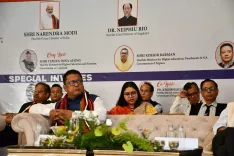
Five environmental samples collected in Karachi have tested positive for poliovirus, Pakistan's Emergency Operations Centre Coordinator Sheheryar Memon confirmed on Wednesday, raising alarm over virus circulation during what is typically a low-transmission season. The disclosure came at a consultation held at the Sindh Institute of Child Health and Neonatology (SICHN), bringing together senior health officials, paediatricians, and international health bodies.
Key Developments in Karachi
Speaking at the SICHN session, Memon stressed the urgent need for intensified response efforts, warning that virus persistence during off-peak months signals a deeper structural problem. "Virus circulation during a typically low transmission season remains a serious concern," leading Pakistani daily Dawn quoted him as saying.
The consultation brought together senior paediatricians from across Karachi, along with experts from UNICEF, the World Health Organisation (WHO), the Bill & Melinda Gates Foundation, N-STOP, the Pakistan Paediatric Association, and the Pakistan Medical Association. A WHO representative identified as George noted that strategies that proved effective in Africa were being adopted to interrupt transmission in Pakistan.
Cases Also Confirmed in Khyber Pakhtunkhwa
Last week, two new wild poliovirus cases were confirmed in Pakistan's Khyber Pakhtunkhwa (KP) province — one in Bannu and another in North Waziristan — bringing the country's total reported cases since the start of 2025 to three, according to local media. An official of the Pakistan Polio Eradication Programme, speaking on condition of anonymity, told Dawn that the cases were confirmed by the National Emergency Operations Centre for Polio Eradication (NEOC) and verified by the WHO-accredited Regional Reference Laboratory for Polio Eradication at the National Institute of Health (NIH).
Attacks on Vaccination Teams
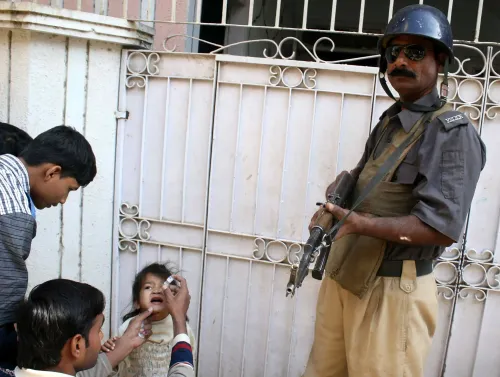
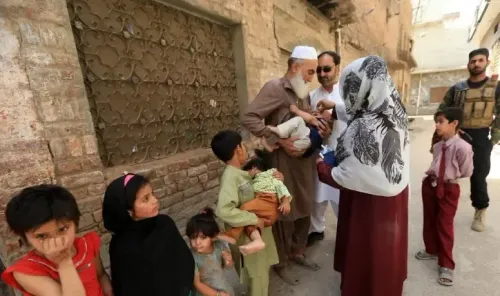
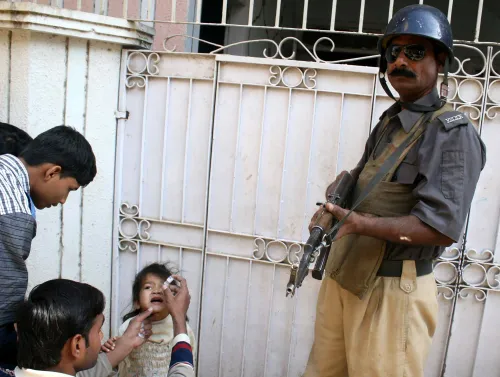
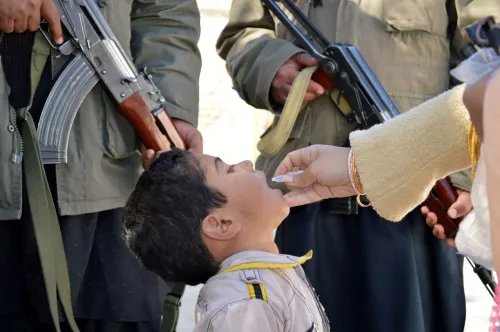
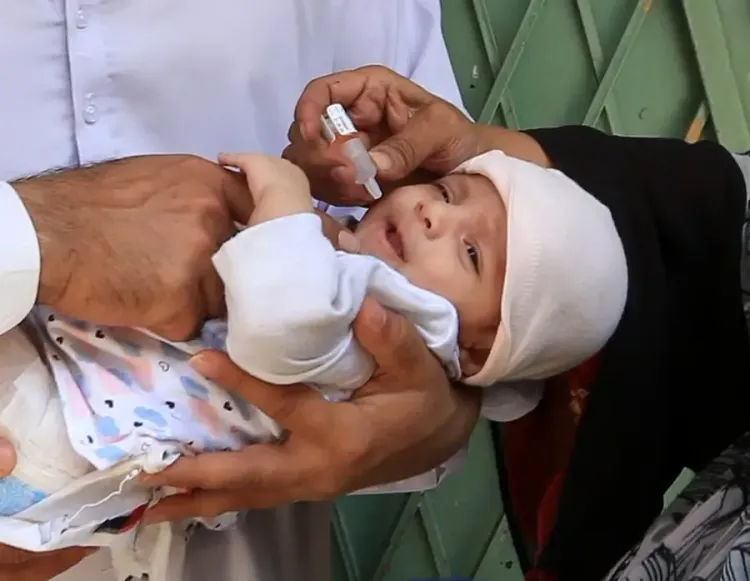
The health crisis is compounded by security threats to frontline workers. Last month, police escorts were reportedly killed and polio workers abducted in attacks in KP's Hangu and Bannu districts, as well as parts of Balochistan. The attacks occurred during a nationwide immunisation drive to administer polio drops, severely disrupting outreach efforts.
Vaccine Refusals and Governance Failures
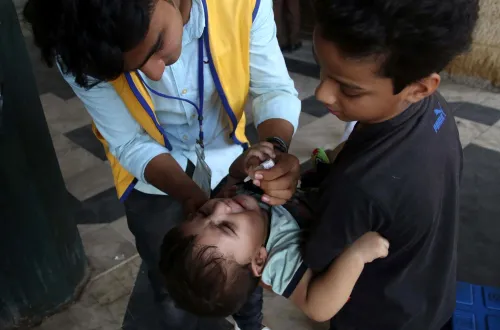
Beyond security, vaccine refusals remain a significant barrier. Karachi alone accounted for approximately 31,000 refusals — nearly 58% of the national total, according to reports. Experts and observers have raised questions about the role of misinformation, weak planning, poor local governance, and a lack of political focus in Pakistan's largest city. Pakistan and Afghanistan remain the only two countries in the world where polio cases are still being reported, underscoring the scale of the challenge ahead.
With international health bodies now actively sharing Africa-tested intervention models, the coming weeks will be critical in determining whether Pakistan can arrest transmission before the high-season window opens.
Point of View
But the 31,000 vaccine refusals concentrated in a single city reveal a deeper failure of public trust and urban governance. Attacks on vaccination teams in KP and Balochistan further narrow the operational window for health workers. With Pakistan and Afghanistan as the world's last two endemic countries, the international community's patience — and funding — is not unlimited. Unless Islamabad treats urban vaccine hesitancy and frontline worker safety as tier-one political priorities, not bureaucratic footnotes, the eradication finish line will keep receding.
NationPress
19 Sept 2026
Frequently Asked Questions
What did the poliovirus environmental samples in Karachi reveal?
Five environmental samples collected in Karachi tested positive for poliovirus, according to Pakistan's Emergency Operations Centre Coordinator Sheheryar Memon. The finding is especially concerning because it occurred during what is typically a low-transmission season.
How many polio cases has Pakistan reported in 2025 so far?
Pakistan has reported three wild poliovirus cases in 2025 as of early May — one earlier case and two newly confirmed cases in Bannu and North Waziristan in Khyber Pakhtunkhwa. These were verified by the WHO-accredited Regional Reference Laboratory at the National Institute of Health.
Why are polio vaccination drives in Pakistan facing difficulties?
Vaccination drives face two major challenges: security threats, including attacks in which police escorts were reportedly killed and polio workers abducted in KP and Balochistan; and widespread vaccine refusals, with Karachi alone accounting for about 31,000 refusals — nearly 58% of the national total.
Which countries still report polio cases?
Pakistan and Afghanistan are the only two countries in the world where polio cases are still being reported, making them the final barriers to global eradication of the disease.
What international support is Pakistan receiving to fight polio?
International bodies including UNICEF, WHO, and the Bill and Melinda Gates Foundation are actively engaged. A WHO representative noted that strategies that proved effective in Africa are being adapted to interrupt poliovirus transmission in Pakistan.