Gujarat Officials Applaud Central Government's Fuel Duty Cut
Synopsis
In a decisive move, the Gujarat government has praised the central government's decision to slash excise duty on petrol and diesel by Rs 10 per litre, providing much-needed relief to consumers amidst rising global oil prices.
Key Takeaways
The central government cut excise duties on petrol and diesel by Rs 10 per litre .
This move is aimed at alleviating consumer burdens amid rising crude oil prices.
Gujarat officials have praised Prime Minister Narendra Modi for prioritizing citizen welfare.
The decision reflects a broader policy to stabilize domestic fuel supply.
Excise duty on petrol is now reduced significantly, with diesel duty effectively eliminated.
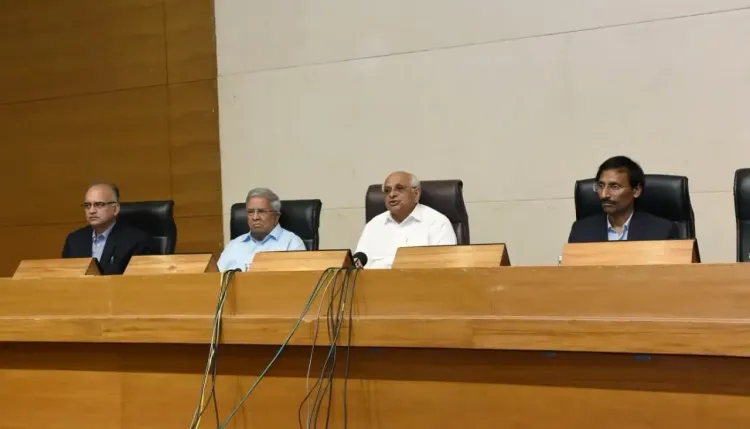
Gandhinagar, March 27 (NationPress) The state government of Gujarat has applauded the recent decision by the central government to reduce the excise duty on petrol and diesel by Rs 10 per litre.
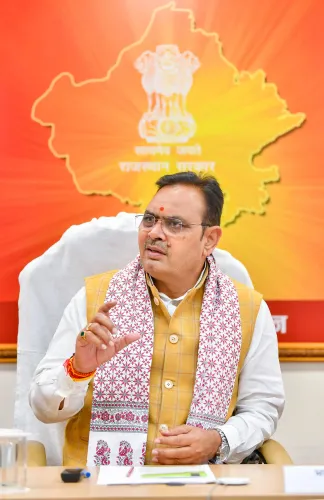
Chief Minister Bhupendra Patel remarked, “In light of the significant increase in global crude oil prices, Prime Minister Narendra Modi has once again showcased his commitment to the citizens by putting their welfare first.”
He further emphasized, “The Central Government's considerable reduction in excise duty on these fuels demonstrates Modi's steadfast dedication to shielding every Indian from the repercussions of global instability.”
Patel expressed gratitude towards Finance Minister Nirmala Sitharaman for the swift implementation of this decision. Deputy Chief Minister Harsh Sanghavi noted that this reduction would alleviate the burden on consumers.
“Given the ongoing crisis in West Asia, the Rs 10 per litre decrease in excise duty on petrol and diesel is a major relief for the general public,” he stated.
He added, “This initiative by Prime Minister Narendra Modi highlights his resolve to protect citizens from the effects of rising prices,” asserting that “in every difficult period, Modi’s decisive leadership has provided the nation with security, stability, and assurance.”
Officials indicated that the excise duty cut is part of a broader policy approach, which includes adjustments to export duties on petroleum products to prioritize domestic supply.
On Friday, the Union government announced a reduction of Rs 10 per litre in central excise duty on petrol and diesel, aiming to cushion consumers against the surge in global crude oil prices due to the persistent West Asia crisis and disruptions in energy supply chains.
This duty cut reduces the levy on petrol from Rs 13 to Rs 3 per litre and effectively eliminates it on diesel.
This measure has been introduced amidst heightened volatility in international oil markets, including pressures on key transit routes like the Strait of Hormuz, which have significantly influenced crude prices.
Point of View
The reduction in fuel duties reflects a proactive response by the central government to mitigate the economic impacts of rising oil prices on citizens. It underscores the importance of governmental measures in providing relief during global crises. The swift action taken showcases the government's attentiveness to public needs.
NationPress
21 Sept 2026
Frequently Asked Questions
What is the new excise duty on petrol and diesel in Gujarat?
The excise duty on petrol has been reduced from Rs 13 to Rs 3 per litre, while it has effectively been eliminated on diesel.
Why did the central government decide to cut fuel duties?
The duty reduction was implemented as a measure to protect consumers from the impact of rising global crude oil prices linked to ongoing geopolitical tensions.
Who expressed gratitude for the swift implementation of the fuel duty cut?
Gujarat Chief Minister Bhupendra Patel and Deputy Chief Minister Harsh Sanghavi expressed their gratitude toward Finance Minister Nirmala Sitharaman for the quick execution of this decision.