Rajasthan CM Bhajanlal Sharma Applauds Central Fuel Duty Reduction as a National Shield
Synopsis
Rajasthan's CM Bhajanlal Sharma commends the Centre for slashing excise duty on fuel, viewing it as a vital relief for citizens amidst global economic challenges. This move is expected to enhance economic stability for families nationwide.
Key Takeaways
Significant reduction in excise duty on petrol and diesel.
Petrol duty now at Rs 3 and diesel at zero .
Expected to provide economic relief to families.
Praises for Prime Minister Modi 's governance.
Importance of staying calm and avoiding rumors.
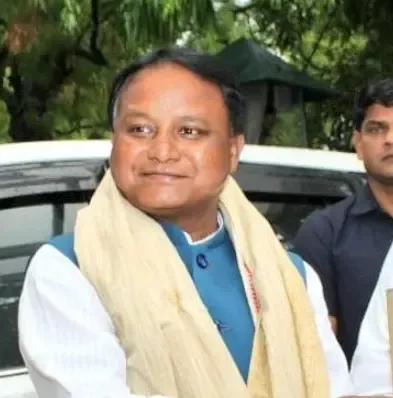
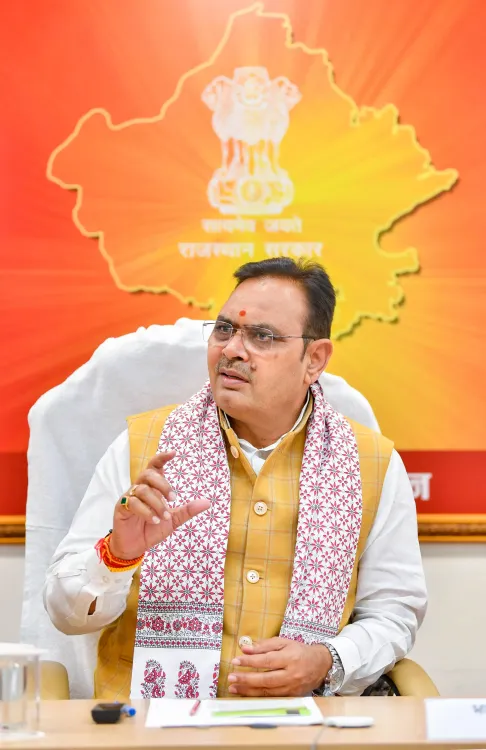
Jaipur, March 27 (NationPress) Rajasthan's Chief Minister Bhajanlal Sharma on Friday praised the Central Government's significant reduction in excise duty for petrol and diesel, describing it as a substantial relief initiative for the public amid global economic instabilities.
Commending Prime Minister Narendra Modi for his leadership, CM Sharma emphasized that this move exhibits strong governance during tough times.
“During this period of worldwide challenges, Prime Minister Modi's leadership is acting as a protective barrier for our nation,” he remarked on his X account.
The Chief Minister expressed his approval of the cut in central excise duty from Rs 13 to Rs 3 per litre for petrol and from Rs 10 to zero for diesel, labeling it a “remarkably admirable” action.
“This thoughtful decision will bolster the economic resilience of countless families throughout the nation, protecting them from the unpredictabilities of global market shifts,” CM Sharma stated.
In light of worries regarding fuel supply and price fluctuations, the Chief Minister urged the public to remain composed and not fall prey to misinformation. “I encourage every citizen to avoid rumors and unite in fostering the advancement of our state and country,” he added.
This declaration arises amidst heightened concerns about fuel costs and supply due to ongoing global events, with the Central Government's action expected to alleviate inflationary pressures and benefit consumers.
It is important to note that the Central Government has indeed reduced the excise duty on fuels, slashing special additional excise duty on petrol to Rs 3 per litre and abolishing it entirely on diesel, resulting in a Rs 10 tax reduction for both fuels.
This decision coincides with rising global crude prices, putting pressure on domestic fuel markets. Currently, India's crude basket is around Rs 149 per barrel, influenced by growing tensions in West Asia. Global oil prices have surged significantly in recent weeks following the commencement of the Iran-Israel-US conflict, thereby increasing input costs for oil marketing firms (OMCs).
Point of View
The reduction in excise duty on fuel represents a proactive measure by the Central Government to alleviate financial pressures on citizens amid a volatile global economy. It highlights the importance of responsive governance in safeguarding the interests of the public.
NationPress
2 Oct 2026
Frequently Asked Questions
What is the new excise duty on petrol and diesel?
The excise duty on petrol has been reduced to Rs 3 per litre, while the duty on diesel has been eliminated entirely.
How will this duty cut affect consumers?
This reduction is expected to ease inflationary pressures and provide significant financial relief to consumers across the nation.
What did CM Bhajanlal Sharma say about the duty cut?
CM Sharma described the duty cut as a major relief measure and commended Prime Minister Modi's leadership during challenging times.
Why is the timing of this announcement significant?
The announcement comes amidst rising global crude prices and concerns over fuel supply, making it a critical intervention for the economy.
What should citizens do in response to this news?
CM Sharma urged citizens to avoid misinformation and unite for the progress of the state and the nation.