CM Yogi Launches Cashless Medical Scheme for PRD Jawans in Gorakhpur
Synopsis
Uttar Pradesh CM Yogi Adityanath launched the Mukhyamantri PRD Cashless Chikitsa Yojana at a Gorakhpur conference on 18 August 2026, extending cashless hospital access to the state's Pradeshik Rakshak Dal civil defence volunteers for the first time.
Key Takeaways
Mukhyamantri PRD Cashless Chikitsa Yojana was formally launched by CM Yogi Adityanath in Gorakhpur on 18 August 2026 .
The scheme covers Pradeshik Rakshak Dal (PRD) jawans — Uttar Pradesh's civil defence volunteer force — with cashless medical treatment at empanelled hospitals.
PRD volunteers were previously not covered by structured health-benefit schemes available to regular state employees.
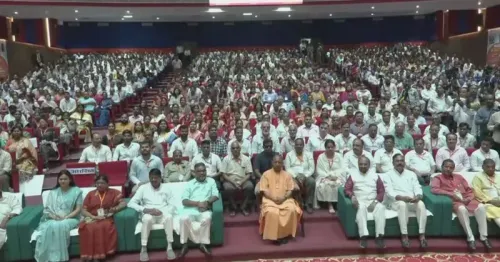
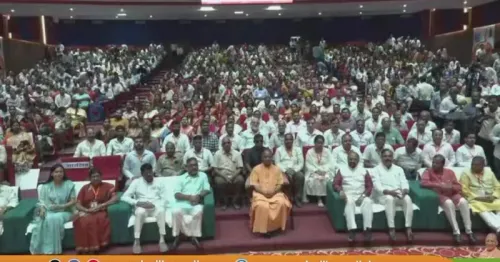
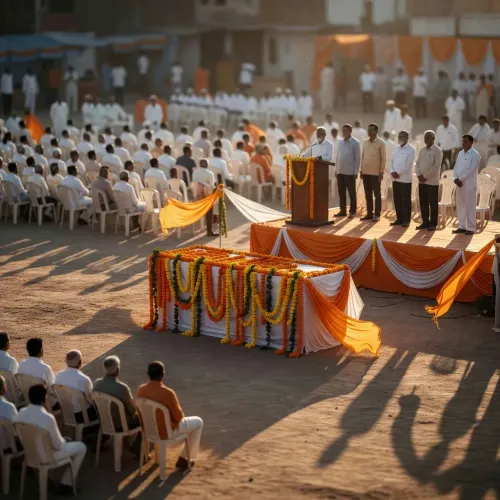
The launch was preceded by a state-level PRD jawans' conference , combining recognition of service with a welfare announcement.
Gorakhpur , CM Yogi's home base and seat of the Gorakhnath Math , was chosen as the venue, underscoring the Chief Minister's personal stake in the initiative.
Uttar Pradesh has over 1.5 lakh PRD volunteers, making this one of the state's larger single-cadre welfare interventions.
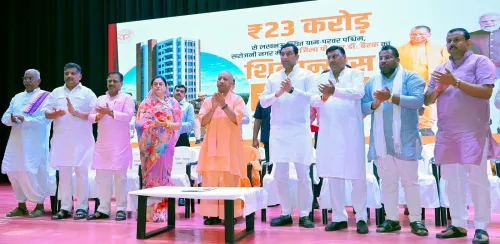
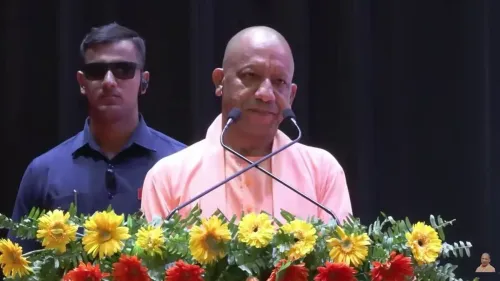
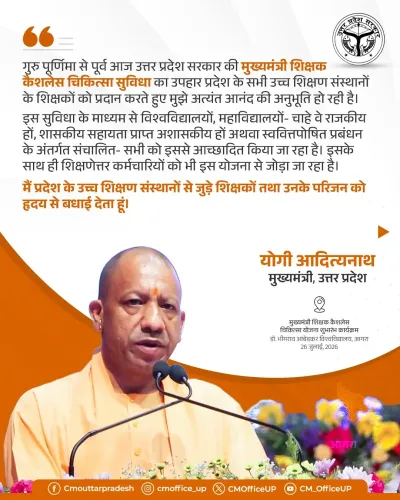
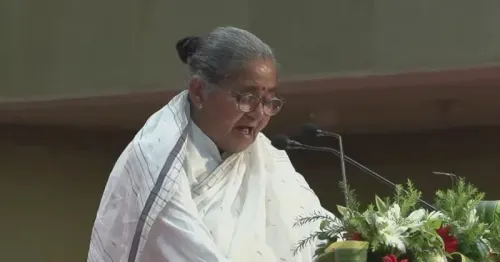
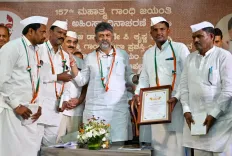
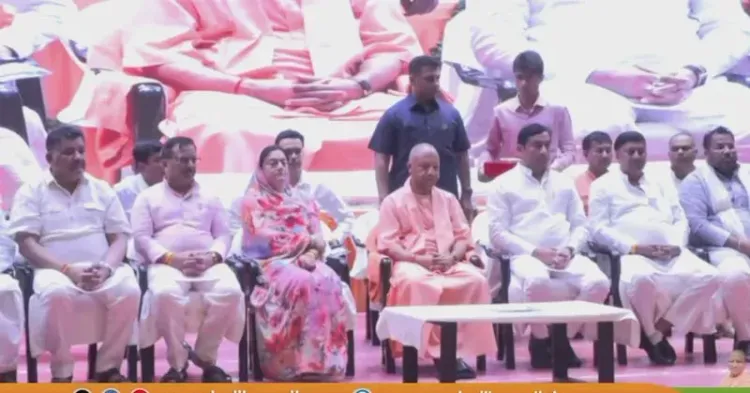
A welfare milestone for Uttar Pradesh's Pradeshik Rakshak Dal (PRD) took shape in Gorakhpur on Tuesday, 18 August 2026, as Uttar Pradesh Chief Minister Yogi Adityanath presided over a conference of PRD jawans and formally launched the Mukhyamantri PRD Cashless Chikitsa Yojana — a dedicated cashless medical scheme for the state's civil defence volunteers.
PRD Jawans and the Welfare Gap This Scheme Addresses
The Pradeshik Rakshak Dal is Uttar Pradesh's civil defence volunteer force, deployed across law-and-order duties, disaster relief, and public events. Despite their frontline role, PRD personnel have historically lacked the structured health-cover benefits available to regular police or government employees. The launch of a dedicated cashless medical scheme directly targets that gap.
The Mukhyamantri PRD Cashless Chikitsa Yojana — as the scheme is formally named — is designed to allow enrolled jawans to access medical treatment at empanelled hospitals without paying out-of-pocket at the point of care, a model already familiar from civilian health programmes but now extended to this volunteer cadre.
Gorakhpur as the Launch Venue
Gorakhpur is both the political and spiritual home base of CM Yogi Adityanath, who heads the Gorakhnath Math in the city. Choosing Gorakhpur for a state-level PRD conference and scheme launch gives the event a symbolic weight beyond routine administration — it signals a direct, personal commitment from the Chief Minister to the welfare of a force that operates in every district of the state.
The conference format — bringing jawans together before the scheme announcement — also follows a pattern of combining recognition with delivery: the state acknowledges service, then backs acknowledgement with a tangible benefit.
What the Cashless Model Means for PRD Families
Cashless medical coverage removes the most immediate barrier to healthcare for low-income government workers: the need to arrange funds upfront during a medical emergency. For PRD volunteers, who are paid on a duty-day basis rather than a fixed salary, that barrier can be especially acute. A scheme that settles bills directly with hospitals — rather than reimbursing workers after the fact — is a structurally stronger protection.
The breadth of coverage, the list of empanelled hospitals, and the per-beneficiary ceiling have not been detailed in the available information, but those parameters will determine how meaningful the benefit is in practice.
Uttar Pradesh has over 1.5 lakh PRD volunteers on its rolls — making this one of the larger single-cadre welfare scheme launches the state has seen. If implemented at scale, it sets a benchmark other states with similar civil defence forces may be pressed to match.
Point of View
Volunteer, or para-military — who were previously in a coverage grey zone. For a force of over 1.5 lakh personnel deployed on sensitive public-order duties, health security is also a retention and morale lever, not just a welfare gesture. Launching the scheme in Gorakhpur, rather than Lucknow, reinforces the Chief Minister's practice of anchoring flagship announcements in his political and spiritual heartland. The real test will be implementation depth — whether the empanelled hospital network reaches PRD jawans in smaller districts, or remains concentrated in urban centres.
NationPress
2 Oct 2026
Frequently Asked Questions
What is the Mukhyamantri PRD Cashless Chikitsa Yojana?
It is a cashless medical treatment scheme launched by Uttar Pradesh Chief Minister Yogi Adityanath for Pradeshik Rakshak Dal (PRD) jawans, allowing them to receive hospital treatment without upfront payment at empanelled facilities.
Who are the Pradeshik Rakshak Dal (PRD) in Uttar Pradesh?
The Pradeshik Rakshak Dal is Uttar Pradesh's civil defence volunteer force, deployed in law-and-order duties, disaster relief, and public events. The force has over 1.5 lakh enrolled volunteers across the state.
Where was the PRD Cashless Chikitsa Yojana launched?
The scheme was launched in Gorakhpur, Uttar Pradesh, on 18 August 2026, during a state-level conference of PRD jawans presided over by CM Yogi Adityanath.
What benefits does the PRD cashless medical scheme provide?
The scheme enables PRD jawans to access medical care at empanelled hospitals without paying out-of-pocket at the time of treatment. Specific coverage limits and the list of empanelled hospitals are yet to be detailed publicly.
Why is this scheme significant for PRD jawans?
PRD volunteers are paid on a duty-day basis rather than a fixed salary, making upfront medical costs a serious financial burden. A cashless model settles bills directly with hospitals, providing stronger protection than a post-treatment reimbursement system.