G20 trade ministers in Milwaukee clash over WTO rules, China overcapacity
Synopsis
The G20 trade ministers' gathering in Milwaukee has turned into a referendum on the future of global commerce — with the US challenging the WTO's foundational MFN principle, pushing a new steel framework that excludes both China and India, and quietly advancing bilateral deals on the sidelines. India's Piyush Goyal is defending multilateralism in the room while simultaneously negotiating an India-US trade deal outside it.
Key Takeaways
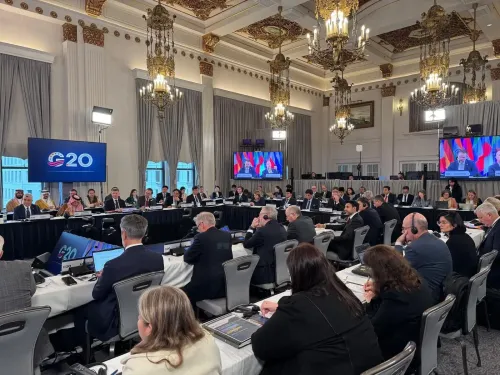
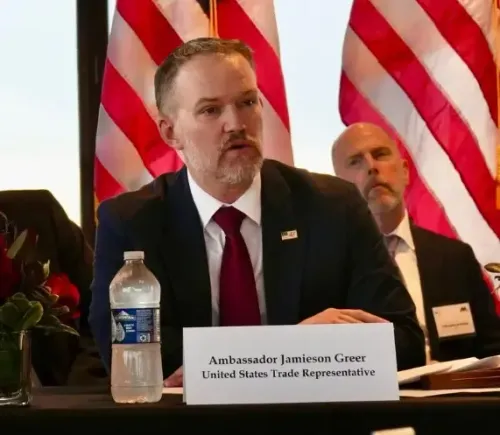
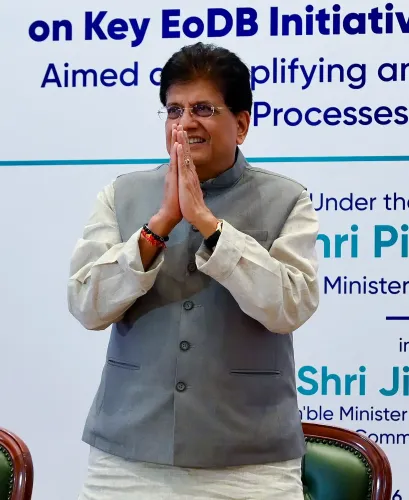
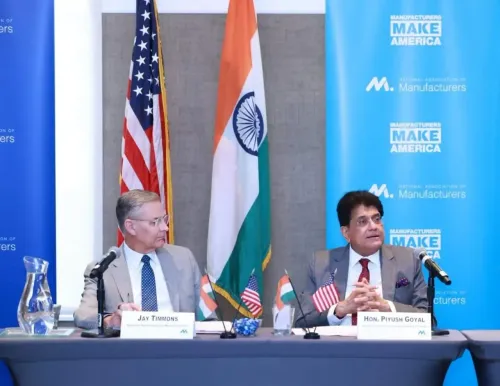
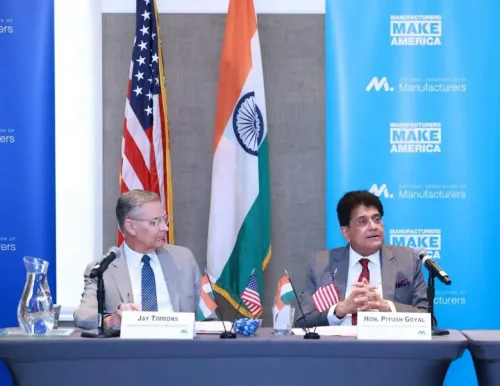
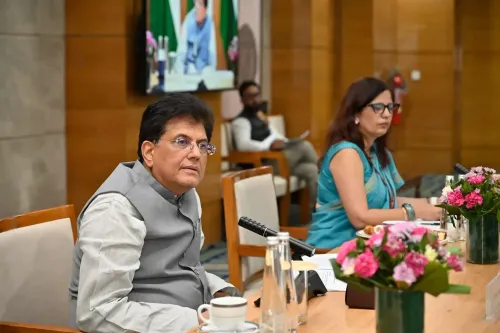
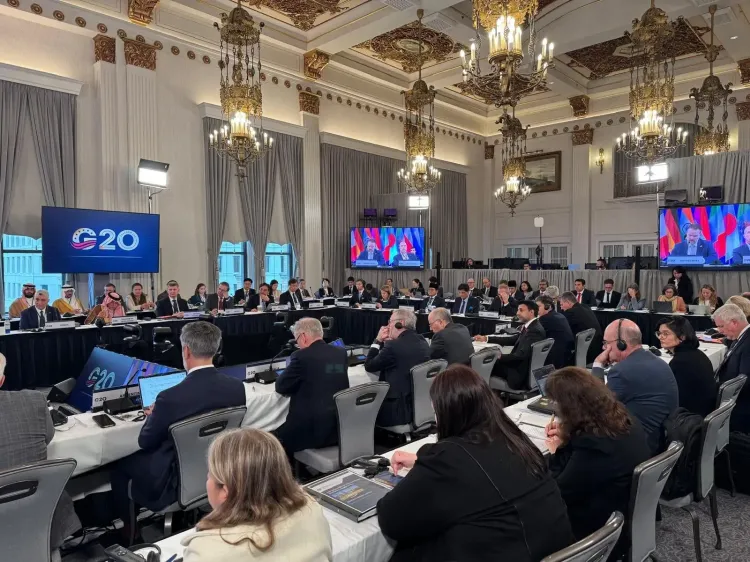
Commerce Minister Piyush Goyal is representing India at the G20 Trade Ministers' Meeting in Milwaukee on 1–2 October 2026 , hosted by US Trade Representative Jamieson Greer .
The US has challenged the WTO's Most-Favoured-Nation principle , calling for greater reciprocity — a position India has openly resisted, reaffirming support for the multilateral trading system.
A new 'Milwaukee Framework' on steel excess capacity was agreed Wednesday, but excludes both China (world's largest producer) and India (second-largest).
Brazil and the US agreed to form a working group on a possible bilateral trade deal following tariff tensions between the two countries.
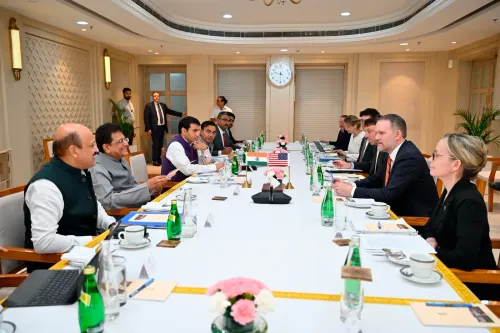
Goyal held bilateral meetings with Polish, Brazilian, and Rockwell Automation officials, and the India-US Bilateral Trade Agreement remains a central focus in line with the Joint Statement of 7 February 2026 .
The meeting concludes Thursday, with a Greer press conference expected to signal whether consensus was reached on MFN, overcapacity , and food trade .
Commerce and Industry Minister Piyush Goyal is representing India at a high-stakes G20 Trade Ministers' Meeting in Milwaukee on 1–2 October 2026, where the United States has placed fundamental questions about global trade architecture before the world's largest economies. The two-day gathering, hosted by US Trade Representative Jamieson Greer, has exposed deep fault lines over the World Trade Organization's core principles, Chinese industrial overcapacity, forced labour in supply chains, and the use of tariffs as trade policy instruments.
The Central Dispute: MFN Principle Under Fire
Washington has put four issues on the table: eliminating forced labour from global supply chains, revising the Most-Favoured-Nation (MFN) principle, opposing the 'weaponisation' of food trade, and confronting structural excess production capacity. Of these, the challenge to MFN treatment carries the most far-reaching implications.
The MFN principle — a cornerstone of the WTO system — requires that any trade advantage a member grants to one trading partner be extended to all others. The Trump administration argues this system has failed to ensure reciprocity, particularly where countries maintain widely differing tariff structures and economic practices. India, by contrast, arrived in Milwaukee firmly reaffirming multilateralism, with its Commerce Ministry stating it would work toward 'a rules-based, open, inclusive, transparent, equitable and non-discriminatory multilateral trading system, with the World Trade Organization at its core, while ensuring adequate policy space for developing countries.'
Milwaukee Framework: Steel, But Without China or India
The meeting produced its first concrete outcome on Wednesday when members of the Global Forum on Steel Excess Capacity agreed on a new 'Milwaukee Framework' to strengthen coordinated action against excess steel production. Notably, China — the world's largest steel producer — is not a member of the forum. Neither is India, the world's second-largest steel producer, a distinction that limits the framework's immediate reach.
Asked whether participating nations had agreed to raise tariffs against Chinese steel, Greer said: 'Well, every country will do what they think is appropriate. We want to coordinate those measures. The United States has taken robust measures, and it probably makes sense for other countries to do that too.' The debate extends well beyond steel to electric vehicles, batteries, and clean-energy manufacturing — sectors where subsidies and state financing have become a flashpoint between Washington and Beijing.
For developing economies including India, these discussions raise a more nuanced concern: whether international trade rules will adequately distinguish between what advanced economies classify as market-distorting subsidies and industrial policies that developing nations use to build domestic manufacturing capacity.
India's Bilateral Agenda on the Sidelines
Beyond the formal sessions, Goyal pursued an active bilateral agenda. He met Brazilian Foreign Minister Mauro Vieira and Minister of Development Marcio Elias Rosa, who had also held talks with Greer following tariff tensions between Brazil and the United States — resulting in an agreement between the two countries to set up a working group on a possible trade deal.
Goyal separately met Polish Finance and Economy Minister Andrzej Domański, saying the two sides 'discussed new avenues to further strengthen trade and investment ties, and how the India-EU FTA can create new opportunities for businesses and deepen economic cooperation between India and Poland.' He also met Blake Moret, chairman and chief executive of Rockwell Automation, inviting greater investment in India, and touting 'India's rapidly evolving manufacturing landscape, expanding industrial base, and strong technological capabilities.'
Canada's International Trade Minister Maninder Sidhu, also present at the ministerial, is expected to meet Goyal's counterpart on Thursday as Ottawa navigates its own economic tensions with Washington.
India-US Trade Deal: The Most Closely Watched Thread
For New Delhi, the most consequential backdrop to the Milwaukee meeting is the ongoing bilateral trade negotiation with Washington. The Commerce Ministry confirmed before Goyal's departure that his US engagements would advance efforts toward 'a balanced and mutually beneficial India-US Bilateral Trade Agreement (BTA) and finalise an interim deal in line with the Joint Statement of 7 February 2026.'
The parallel tracks — formal multilateral debate inside the sessions, and bilateral deal-making on the margins — illustrate the broader structural shift in global trade governance. The G20 Trade Ministers' Meeting continues Thursday, with further bilateral engagements expected and Greer scheduled to hold a press conference. The key question heading into the final day is whether ministers can reach common language on MFN treatment, overcapacity, and food trade — or whether the Milwaukee meeting marks another step toward a world of reciprocal arrangements and bilateral coalitions rather than a unified multilateral system.
Point of View
Which would permanently advantage large economies with leverage over smaller trading partners. India's visible defence of multilateralism is principled, but New Delhi is simultaneously pursuing a bilateral deal with Washington, reflecting the uncomfortable reality that countries increasingly need both tracks. The Milwaukee Framework on steel is almost symbolic: a coordinated anti-overcapacity measure that excludes the world's two largest steel producers, China and India, risks being more political theatre than market correction.
NationPress
1 Oct 2026
Frequently Asked Questions
What is the G20 Trade Ministers' Meeting in Milwaukee about?
The two-day meeting, held on 1–2 October 2026, brings together trade ministers of the world's largest economies to debate the future of global trade rules. The US has placed four key issues before ministers: eliminating forced labour from supply chains, revising the WTO's Most-Favoured-Nation principle, opposing the 'weaponisation' of food trade, and addressing industrial overcapacity — particularly in China.
What is the Milwaukee Framework on steel?
The Milwaukee Framework is a coordinated action plan agreed by members of the Global Forum on Steel Excess Capacity to address surplus production. Crucially, neither China — the world's largest steel producer — nor India — the second-largest — is a member of the forum, limiting the framework's direct impact on the largest sources of overcapacity.
What is India's position at the Milwaukee meeting?
India has arrived in Milwaukee defending the multilateral trading system, calling for 'a rules-based, open, inclusive, transparent, equitable and non-discriminatory' system with the WTO at its core. At the same time, Commerce Minister Piyush Goyal is pursuing bilateral engagements on the sidelines, including advancing negotiations on an India-US Bilateral Trade Agreement.
Why is the US challenging the WTO's Most-Favoured-Nation principle?
Washington argues that the MFN principle — which requires trade advantages granted to one WTO member to be extended to all — has failed to deliver reciprocity because countries maintain very different tariff levels and economic practices. The Trump administration has pushed for trade arrangements that more directly reflect bilateral economic relationships rather than universal rules.
What is the status of the India-US bilateral trade deal?
India and the United States are actively negotiating a Bilateral Trade Agreement (BTA) and an interim arrangement, in line with a Joint Statement issued on 7 February 2026. Commerce Minister Goyal's engagements in Milwaukee are intended to advance those talks, which are being watched closely as the two countries also navigate broader US tariff policy.