G20 trade ministers meet in Milwaukee Sep 29 to tackle forced labour, MFN rules

Synopsis
The US is hosting G20 trade ministers in Milwaukee from 29 September — and the agenda goes well beyond routine diplomacy. Forced labour, steel overcapacity and a potential reworking of the WTO's Most-Favoured-Nation principle are all on the table, with India's Piyush Goyal in the room as New Delhi's interests in food trade and manufacturing access hang in the balance.
Key Takeaways
US Trade Representative Jamieson Greer will host G20 trade ministers in Milwaukee from 29 September to 1 October 2026 .
Key agenda items include forced labour in supply chains, industrial overcapacity, food trade weaponisation and potential changes to the WTO Most-Favoured-Nation (MFN) principle.
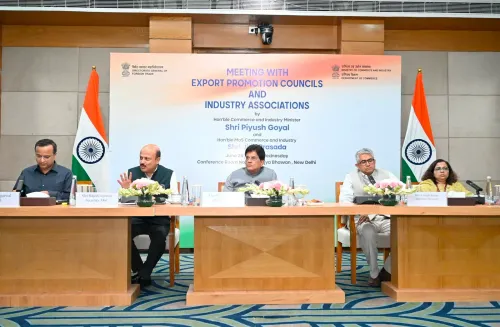
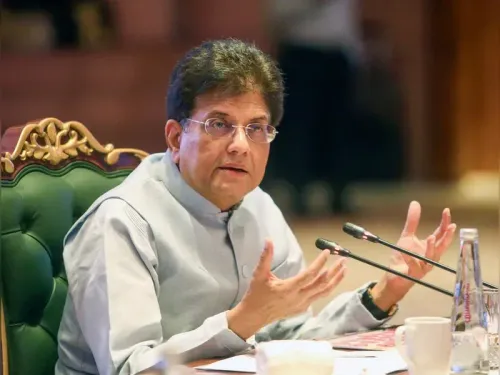
Commerce and Industry Minister Piyush Goyal will represent India at the ministerial.
The programme opens with a Global Forum on Steel Excess Capacity ministerial meeting on Wednesday, 1 October .
Ministers will tour a Rockwell Automation facility to underscore the Trump administration's reindustrialisation narrative.
The USTR has not disclosed details of any proposed MFN amendments or Greer's planned bilateral meetings on the sidelines.
US Trade Representative Jamieson Greer will host G20 trade ministers in Milwaukee from 29 September to 1 October 2026 for high-stakes talks covering forced labour in global supply chains, industrial overcapacity, food trade weaponisation, and a potential overhaul of a foundational World Trade Organization principle. India will be represented at the ministerial by Commerce and Industry Minister Piyush Goyal.
What Is on the Agenda
Greer is set to lead discussions on eliminating forced labour from global supply chains and confronting structural excess production capacity — two issues the Office of the US Trade Representative (USTR) has flagged as priorities. Ministers will also debate possible changes to the Most-Favoured-Nation (MFN) principle, which obligates every WTO member to extend any trade advantage given to one member to all other members, barring recognised exceptions.
Notably, the USTR release did not spell out what specific amendments Washington may propose to the MFN framework, leaving the scope of that discussion open ahead of the gathering. Ministers will additionally address what the USTR described as the 'weaponisation of trade in food' — a phrase that signals concern over countries using food exports as geopolitical leverage.
Programme Highlights and Factory Visit
The ministerial kicks off on Tuesday, 29 September with a welcome reception co-hosted by the Business Roundtable and the National Association of Manufacturers. The formal programme opens on Wednesday morning with a ministerial meeting of the Global Forum on Steel Excess Capacity, reflecting the centrality of steel overproduction disputes in international trade.
Following that session, Greer and visiting ministers will tour a Rockwell Automation facility in Milwaukee, meeting factory workers and industry executives on the shop floor. The visit is intended to reinforce the Trump administration's argument that its trade agenda is driving American reindustrialisation and supply-chain resilience. The principal ministerial negotiations are scheduled for Thursday, split across a morning session ending at 1 pm and an afternoon round, with Greer holding a press conference between the two. The three-day programme concludes with a reception at the Harley-Davidson Museum.
Steel and Industrial Overcapacity at the Centre
Steel production and industrial overcapacity have emerged as persistent flashpoints in global trade. The United States has repeatedly argued that excess manufacturing capacity — primarily from large state-directed economies — depresses prices and hollows out domestic industry. The decision to open the Milwaukee ministerial with a dedicated steel capacity meeting signals that Washington views this as a non-negotiable part of the multilateral conversation, not a bilateral side issue.
What It Means for India
India, as a G20 member, has consistently advocated for the interests of developing economies in global economic forums. Questions around food trade, industrial capacity, supply-chain rules and the future of non-discrimination principles under the WTO carry direct consequences for Indian exports and domestic manufacturing competitiveness. Commerce Minister Piyush Goyal's presence signals New Delhi's intent to actively shape outcomes rather than merely observe.
The India-US trade relationship has expanded in recent years but retains friction points over tariffs, market access, agricultural products and the treatment of developing countries within the multilateral trading system. The Milwaukee ministerial arrives as governments worldwide reassess reliance on concentrated supply chains and question whether existing WTO rules remain fit for purpose. How the MFN debate unfolds could have lasting implications for the architecture of global commerce.
Point of View
A steel forum and a Harley-Davidson Museum send-off are deliberate theatre designed to link global trade rules to American blue-collar constituencies. The most consequential item, however, is the MFN discussion: any move to dilute or reinterpret the non-discrimination principle would rewrite the foundational logic of the WTO, with consequences that would fall disproportionately on developing economies including India. That the USTR has not publicly disclosed what changes Washington intends to propose is itself telling — it suggests a trial balloon that may be walked back if allies push back. India's presence via Goyal is necessary but not sufficient; New Delhi will need to build a coalition of G20 developing economies to resist any MFN revision that advantages large industrial exporters at the cost of emerging-market flexibility.
NationPress
26 Sept 2026
Frequently Asked Questions
What is the G20 trade ministerial in Milwaukee about?
The Milwaukee ministerial, scheduled from 29 September to 1 October 2026, will bring together G20 trade ministers to discuss forced labour in global supply chains, industrial overcapacity, food trade weaponisation and potential changes to the WTO Most-Favoured-Nation principle. It is being hosted by US Trade Representative Jamieson Greer.
What is the Most-Favoured-Nation principle and why is it under discussion?
The Most-Favoured-Nation (MFN) principle is a core WTO rule requiring members to extend any trade advantage granted to one country to all other WTO members, subject to recognised exceptions. The US is reportedly considering proposing changes to this principle at Milwaukee, though the USTR has not publicly disclosed the specifics of what amendments Washington may seek.
Who will represent India at the Milwaukee G20 trade meet?
India will be represented by Commerce and Industry Minister Piyush Goyal. India, as a G20 member, has consistently pressed for developing-economy interests in global trade forums, and the agenda — covering food trade, industrial capacity and MFN rules — has direct implications for Indian exports and manufacturing.
Why is the meeting being held in Milwaukee?
Milwaukee is an American manufacturing centre, and the venue choice is deliberate — the programme includes a factory tour at a Rockwell Automation facility and a Global Forum on Steel Excess Capacity meeting, reinforcing the Trump administration's narrative linking trade policy to domestic industrial revival and worker interests.
What are the key dates in the Milwaukee ministerial programme?
The ministerial begins on Tuesday, 29 September with a welcome reception. The formal programme opens Wednesday morning with the steel capacity forum, followed by a factory visit and the first G20 trade ministerial session. Principal negotiations take place on Thursday, 1 October, with a closing reception at the Harley-Davidson Museum rounding off the three-day gathering.