US Trade Rep Greer calls for MFN reform, slams WTO at G20 Milwaukee
Synopsis
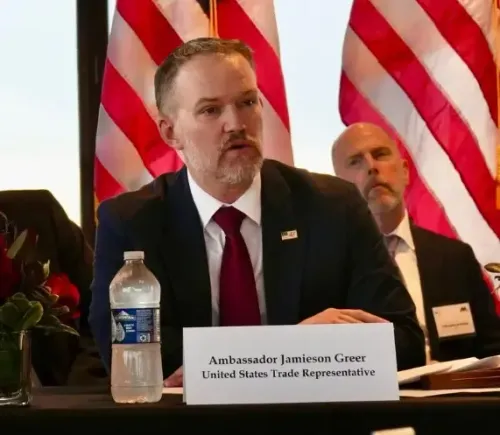
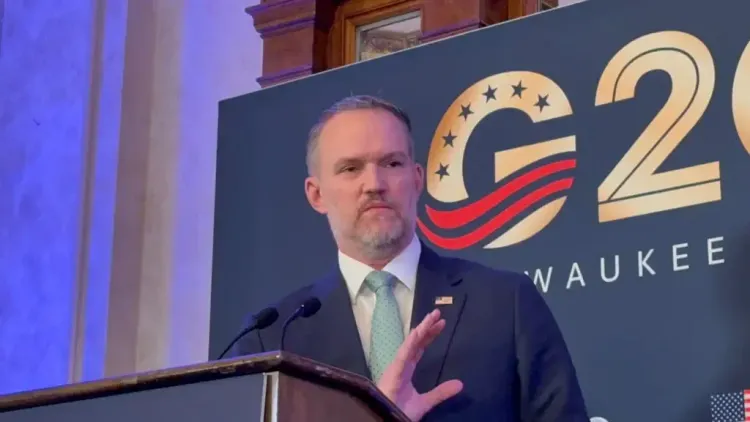
US Trade Representative Jamieson Greer has openly called for dismantling the unconditional MFN principle at the G20 Trade Ministers' Meeting in Milwaukee — a direct challenge to the WTO's foundational architecture. Paired with a blistering assessment of the WTO's dysfunction on subsidies, digital trade, and excess capacity, it signals Washington is done pretending the multilateral system works.
Key Takeaways
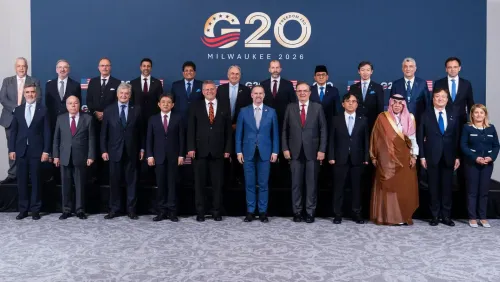
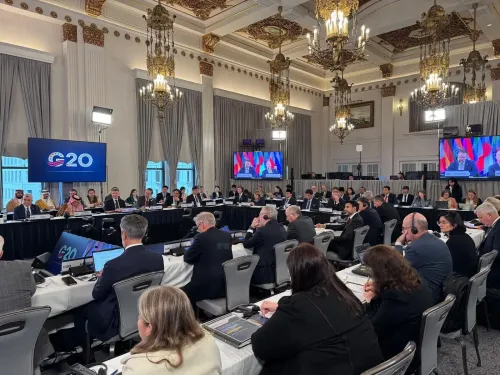
US Trade Representative Jamieson Greer called for reform of the unconditional most-favoured-nation (MFN) principle at the G20 Trade Ministers' Meeting in Milwaukee on 2 October 2026 .
Greer argued MFN 'fails to promote reciprocity and balance' and can 'create free riders,' saying the UK and China, or Vietnam and Ecuador, should not be treated identically by the US.
The US did not table a formal reform proposal at Milwaukee but signalled the conversation would continue in other forums.
Greer said the Milwaukee ministerial had not changed his negative view of the WTO , citing failures on subsidy notification, transparency, and digital trade rules.
He dismissed suggestions that the WTO could address structural excess capacity: 'The WTO can't even deliver on its current mandate.' Countries have avoided digital trade tariffs for roughly 30 years yet failed to formalise the arrangement — a point Greer cited as emblematic of WTO dysfunction.
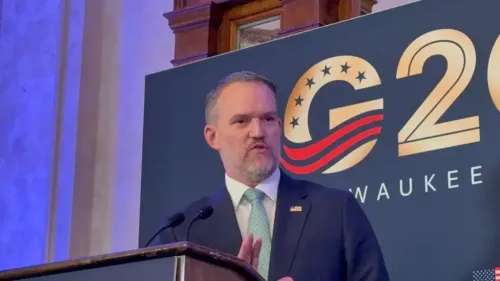
US Trade Representative Jamieson Greer on 2 October 2026 called for a fundamental overhaul of the unconditional most-favoured-nation (MFN) principle that forms the bedrock of global trade, arguing that countries with starkly different economic relationships with the United States should not automatically receive identical trade treatment. His remarks, delivered at the conclusion of the G20 Trade Ministers' Meeting in Milwaukee, mark one of the most direct American challenges to a core pillar of the multilateral trading system in decades.
What Greer Said on MFN
Speaking to reporters, Greer argued that the unconditional MFN principle 'fails to promote reciprocity and balance in the trading system' and can 'create free riders.' He illustrated his position with pointed country comparisons: 'In the US case, implementing MFN would mean that the UK and China should be treated the same or Vietnam and Ecuador should be treated the same or Switzerland and South Africa should be treated the same.'
Greer contended that individual trading relationships carry different levels of reciprocity, trade balance, and what he described as unfair practices affecting American companies. He added that WTO members were, in his assessment, already departing from the MFN principle in practice while publicly endorsing it — a contradiction he suggested warranted an open reckoning.
No Formal Proposal, But a Clear Signal
Notably, the United States stopped short of tabling a formal reform proposal at Milwaukee. 'We did not circulate a draft statement on this. We didn't propose a joint statement,' Greer clarified. He framed the Milwaukee discussions as the beginning of a longer conversation: 'It's an important conversation to start, and it's one that will continue — maybe the G20, certainly another forum.' He acknowledged that consensus on the issue remained a distant prospect.
Sharp Critique of the WTO
Greer was equally pointed in his assessment of the World Trade Organization itself. Asked whether the Milwaukee ministerial had shifted his view, he was unequivocal: 'I would not say that this ministerial has changed my view on the World Trade Organization.' He cited what he described as systemic failures — including chronic non-compliance with transparency requirements and an inability to deliver on its existing mandate. 'The WTO can't even get people to notify their subsidies, to notify their trade measures. There's like no transparency,' he said.
On the question of structural excess capacity — raised by two or three countries as a potential WTO agenda item — Greer was dismissive. 'The WTO can't even deliver on its current mandate. The idea that it could tackle this issue, I just don't believe that at all because I live in the real world,' he said.
Digital Trade Deadlock Cited as Evidence
Greer also pointed to the failure to formalise a long-standing moratorium on digital trade tariffs as evidence of the WTO's dysfunction. Countries have refrained from imposing taxes or tariffs on digital transmissions for roughly 30 years, yet formal agreement on the practice has remained elusive. 'Something the countries have been doing for 30 years, they can't even agree — the idea that the WTO can take up this massive macroeconomic issue and solve it on a multilateral basis, that's just crazy,' he said.
What This Means for Global Trade
The remarks carry significant geopolitical weight at a moment when US trade policy has already been reshaped by sweeping tariff actions. A formal move to reinterpret or renegotiate MFN obligations would upend the legal architecture governing roughly $25 trillion in annual global merchandise trade and force every WTO member — including India — to reassess its trade exposure to the United States. This comes amid broader American frustration with multilateral institutions and a sustained push toward bilateral and plurilateral trade arrangements. How other G20 members respond to Greer's opening salvo will set the tone for trade diplomacy heading into 2027.
Point of View
Not just individual tariff disputes. The WTO's credibility has been eroding for years through a paralysed Appellate Body and chronic non-compliance, but a sitting US Trade Representative openly calling the organisation incapable of living in the 'real world' is a qualitative escalation. For India, which runs a sizeable goods surplus with the United States and relies on MFN-based access in third markets, the implications are direct: a bilateralised trade architecture advantages large economies with negotiating leverage. The fact that Washington chose to float the idea publicly without a formal proposal suggests it is testing reactions — which means the next G20 trade cycle will be defined by whether other members push back or quietly acquiesce.
NationPress
2 Oct 2026
Frequently Asked Questions
What is the MFN principle and why does the US want to reform it?
The most-favoured-nation (MFN) principle requires WTO members to extend the same trade treatment to all other members. US Trade Representative Jamieson Greer argues it fails to account for differences in reciprocity and unfair practices, effectively allowing countries with lopsided trade relationships to benefit equally from US market access.
Did the US propose formal MFN changes at the G20 Milwaukee meeting?
No. Greer confirmed the US did not circulate a draft or joint statement on MFN reform at Milwaukee. He described it as the start of a broader conversation to be continued in future G20 or other multilateral forums.
Why is Greer critical of the WTO?
Greer cited multiple failures: members routinely not notifying subsidies or trade measures, a lack of transparency, inability to formalise a 30-year moratorium on digital trade tariffs, and what he called an unrealistic expectation that the WTO could resolve structural excess capacity. He said the Milwaukee ministerial had not changed his negative assessment of the organisation.
What did Greer say about digital trade at the WTO?
Greer noted that WTO members have avoided imposing tariffs on digital transmissions for roughly 30 years but still failed to reach a formal agreement on the practice earlier in 2026. He called the inability to codify something countries already do 'crazy' and used it as evidence of WTO dysfunction.
What are the implications for countries like India?
Any reform of the unconditional MFN principle would force every WTO member to renegotiate trade exposure to the United States on a bilateral or plurilateral basis. For India, which depends on MFN-based market access in multiple export destinations, a shift toward reciprocity-based frameworks could mean tougher terms in future trade negotiations with Washington.