Gadkari at IRC session: Quality, safety must top road construction agenda
Synopsis
At the 85th Indian Roads Congress session in Hyderabad, Union Minister Nitin Gadkari pushed for a sweeping reset in how India builds its roads — demanding contractor accountability, bio-bitumen research, plastic waste in pavements, and green fuels for machinery. The speech signals that the Centre wants quality and sustainability to match the record pace of highway construction.
Key Takeaways
Nitin Gadkari addressed the 85th Annual Session of the Indian Roads Congress (IRC) in Hyderabad on 19 November 2026 .
He called for strict accountability among contractors, consultants and engineers, warning that quality compromises must invite action.
Gadkari promoted the use of plastic waste , used tyres , steel slag and agricultural residue as alternative road construction materials.
He highlighted bio-bitumen from rice straw as a sustainable alternative to conventional bitumen.
The minister urged adoption of electric , ethanol , CNG , LNG and hydrogen-based fuels for construction equipment.
He stressed stronger international cooperation for the IRC and innovative financing through PPP and highway asset monetisation.
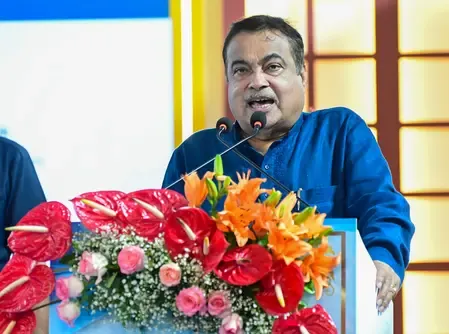
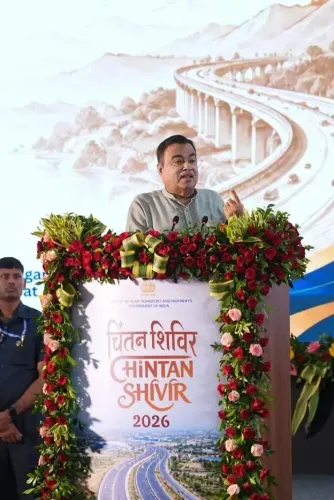
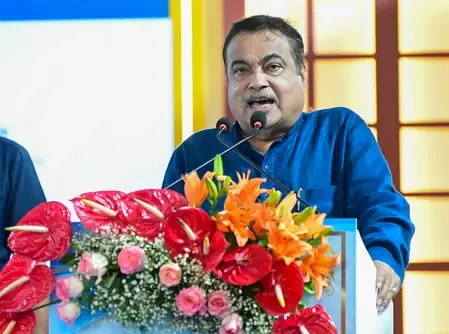
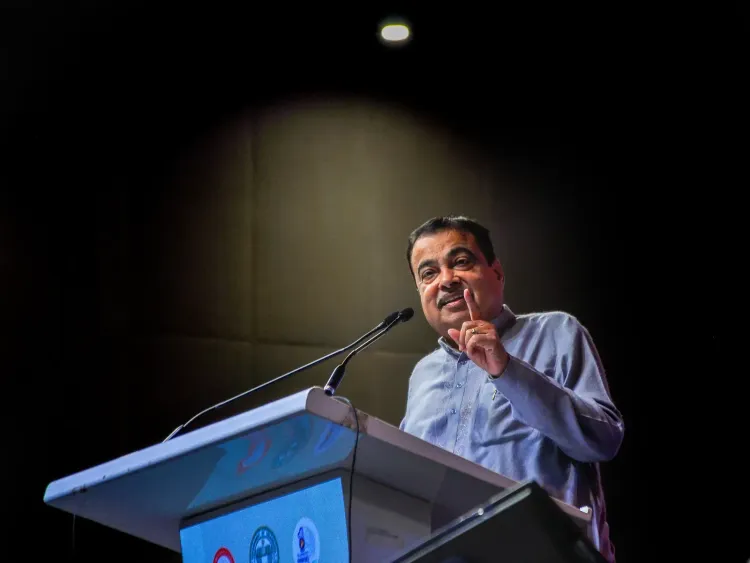
Union Minister for Road Transport and Highways Nitin Gadkari on Thursday, 19 November 2026, called on engineers, contractors, consultants and policymakers to collectively prioritise the quality, safety, durability and sustainability of India's road infrastructure. He was addressing the 85th Annual Session of the Indian Roads Congress (IRC) in Hyderabad.
Key Demands on Quality and Accountability
Gadkari underscored that quality, safety and durability must remain the foremost priorities in road construction, warning that any compromise in construction quality must invite appropriate action. He called for greater accountability among contractors, consultants and engineers, and stressed transparent, time-bound and result-oriented implementation of highway projects.
The minister also highlighted the urgent need to improve the quality of Detailed Project Reports (DPRs), strengthen technical supervision, and ensure effective implementation of road safety audits. He urged engineers to identify and rectify accident-prone locations through improved junction design and the provision of flyovers and underpasses wherever required.
Sustainable and Innovative Construction Materials
Gadkari emphasised reducing construction costs without compromising quality by promoting greater use of innovative and alternative construction materials. He specifically highlighted the potential of plastic waste, used tyres, steel slag, municipal solid waste and agricultural residue in road construction where technically suitable.
He also referenced bio-bitumen developed from rice straw as a promising alternative, underlining the scope for research and field application of such materials to promote sustainable highway construction and reduce dependence on conventional resources.
Green Fuels and Environmental Commitments
The minister encouraged wider adoption of alternative and biofuels in construction equipment, including electric, ethanol, biodiesel, CNG, LNG and hydrogen-based technologies. He noted their potential to reduce pollution, lower dependence on imported fossil fuels, and create additional income opportunities for farmers by diversifying agricultural produce towards the energy sector.
Gadkari also called for greater use of treated wastewater in construction activities, particularly given rising water stress, and encouraged research into tree transplantation and plantation along highways to bolster environmental protection.
Connectivity, Financing and the Road Ahead
Acknowledging the IRC's role in setting technical standards, the minister urged the organisation to strengthen international cooperation and facilitate greater exchange of knowledge and technology to keep Indian standards aligned with global developments.
He reiterated the importance of connecting rural areas through all-weather road networks under the Pradhan Mantri Gram Sadak Yojana, and called for exploration of innovative financing mechanisms — including public-private partnerships (PPP) and monetisation of existing highway assets — to mobilise resources for future infrastructure development. With India's highway network expanding rapidly, the minister's remarks signal that execution quality, not just scale, will define the next phase of growth.
Point of View
But the gap between intent and ground-level execution on road quality remains wide. India has achieved record highway construction speeds, yet accident fatalities remain among the world's highest, suggesting that the DPR quality and safety audit gaps he flagged are not new. The push for waste materials and bio-bitumen in pavements is scientifically credible, but it has been on the ministry's radar for years without achieving mainstream scale. The real test is whether the IRC translates these directives into enforceable standards — and whether contractors face genuine consequences for sub-standard work.
NationPress
19 Nov 2026
Frequently Asked Questions
What did Nitin Gadkari say at the Indian Roads Congress session in Hyderabad?
Union Minister Nitin Gadkari called for greater accountability in road construction quality, elimination of accident black spots through better engineering, and adoption of alternative and sustainable construction materials. He addressed the 85th Annual Session of the Indian Roads Congress in Hyderabad on 19 November 2026.
What alternative materials did Gadkari recommend for road construction?
Gadkari highlighted plastic waste, used tyres, steel slag, municipal solid waste and agricultural residue as viable alternative road construction materials where technically suitable. He also pointed to bio-bitumen developed from rice straw as a sustainable substitute for conventional bitumen.
Why did Gadkari stress road safety at the IRC session?
The minister emphasised the need to protect human lives by reducing road accidents and eliminating black spots through improved junction design, flyovers and underpasses. He also called for more rigorous road safety audits and better quality Detailed Project Reports (DPRs) to prevent engineering failures.
What green fuel alternatives did Gadkari advocate for highway construction?
Gadkari urged wider use of electric, ethanol, biodiesel, CNG, LNG and hydrogen-based technologies in construction equipment to reduce pollution and lower dependence on imported fossil fuels. He also noted the benefit to farmers through demand for agricultural produce in the energy sector.
What is the Indian Roads Congress and why does it matter?
The Indian Roads Congress (IRC) is the apex technical body for road infrastructure development in India, responsible for setting technical codes, guidelines and standards for the sector. Its annual sessions bring together engineers, policymakers and industry to shape the direction of highway development nationwide.