Gadkari urges DPR overhaul to end highway delays at Ekta Nagar conclave
Synopsis
Nitin Gadkari has put India's highway planning process under the spotlight — arguing that delays and cost overruns are not execution failures but DPR failures. At a two-day national conclave in Ekta Nagar, he called for surveys, land acquisition and clearances to be locked in before a project breaks ground, not after.
Key Takeaways
Nitin Gadkari inaugurated Chintan Shivir 2026 at Ekta Nagar, Gujarat on 5 October 2026 .
He called for surveys, land acquisition, utility shifting and statutory clearances to be resolved at the DPR stage to prevent highway delays and cost escalations.
Two documents were launched: an Environment and Wildlife Mitigation Measures compendium and a BRICS Compendium on Perspectives in Sustainable Transport .
The conclave covers sessions on PM GatiShakti , land acquisition, Model Concession Agreements, road safety, toll reforms, and project monitoring.
Technology reforms highlighted include the FASTag Annual Pass and Multi-Lane Free Flow (MLFF) tolling systems.
Minister of State Harsh Malhotra also addressed the inaugural session.
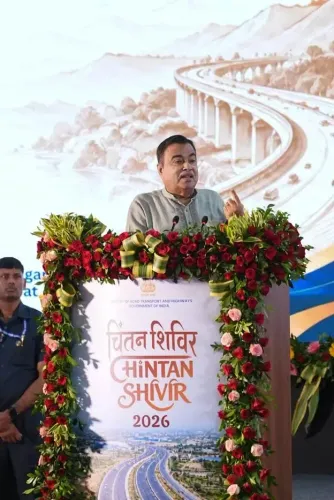
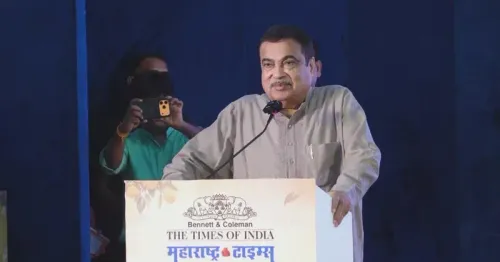
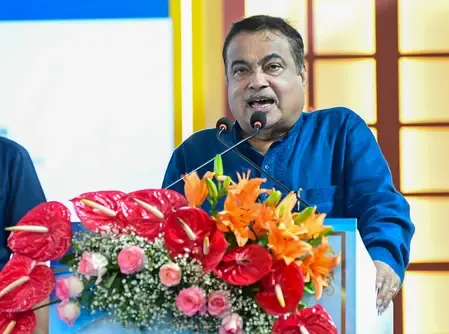
Union Minister for Road Transport and Highways Nitin Gadkari on Monday, 5 October 2026, called for a fundamental overhaul of the Detailed Project Report (DPR) stage to tackle persistent delays and cost overruns in highway projects across India. He was speaking at the inauguration of Chintan Shivir 2026 – A National Conclave on Highway Infrastructure at Tent City 2, Ekta Nagar in Gujarat's Narmada district.
The Core Message: Fix It at the DPR Stage
Gadkari argued that key preparatory steps — including surveys, alignment planning, land acquisition, utility shifting, and statutory clearances — must be resolved at the initial project stage rather than mid-execution. He said that front-loading these processes is essential to ensure timely delivery and prevent the budget escalations that have long plagued India's highway sector.
"The Chintan Shivir provides an important platform for the Centre and States to think together, share field-level experiences and work together towards practical solutions for emerging challenges in highway development," Gadkari said. He also called for successful state-level practices to be assessed and replicated nationally wherever applicable.
Safety, Quality and World-Class Standards
The minister underscored that highway development must be anchored in quality, safety, speed and world-class standards. He called for accident-prone locations to be identified at the planning stage itself, with safety measures built into design and construction — not retrofitted after completion. Road safety, he stressed, is not an afterthought but a core planning parameter.
Gadkari also highlighted the economic multiplier effect of modern highways, noting that seamless connectivity between cities, ports, markets, and industrial hubs directly supports trade, employment, and investment. "Better connectivity supports trade, investment, employment and wider economic activity, making coordination between the Centre, states and implementing agencies essential for timely infrastructure delivery," he said.
Key Launches and Conclave Agenda
The inaugural session saw two significant document releases: a Environment and Wildlife Mitigation Measures compendium and a BRICS Compendium on Perspectives in Sustainable Transport, the latter bringing international benchmarks into the domestic policy conversation. Environmental sustainability and wildlife protection were flagged as prominent themes running through the two-day deliberations.
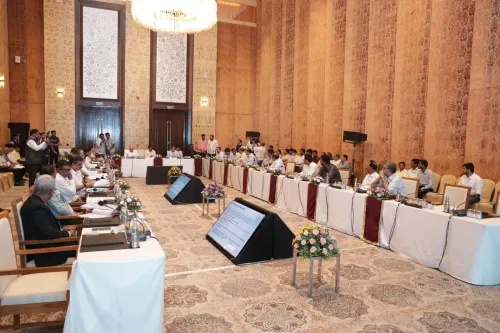
The conclave, held under the theme 'Gatishakti se Pragati', brings together transport and PWD ministers from states, senior state officials, implementing agencies, and other stakeholders. Sessions are scheduled on PM GatiShakti and integrated infrastructure planning, land acquisition and Bhoomi Rashi, Model Concession Agreements, safe and green highway design, road safety and toll reforms, and quality assurance and project monitoring.
Technology-Driven Reforms in Focus
Gadkari drew attention to ongoing technology-led reforms in highway travel, specifically the FASTag Annual Pass and Multi-Lane Free Flow (MLFF) tolling systems, which the ministry is advancing to modernise the highway user experience and ease traffic movement. He urged wider adoption of innovative construction practices, new technologies, and cost-effective materials to simultaneously improve quality and reduce both construction and maintenance costs.
Minister of State for Road Transport and Highways Harsh Malhotra also addressed the inaugural session. The conclave's deliberations are expected to conclude on Tuesday, 7 October 2026, with a collective call to deliver safer, high-quality and future-ready highways aligned with the vision of 'Viksit Bharat'.
Point of View
And the structural incentives that reward project award over project readiness have not changed. The Chintan Shivir format — bringing states into a common deliberative space — is useful, but without enforceable DPR quality standards tied to project approval, the diagnosis risks remaining rhetorical. The BRICS Compendium and the environment mitigation document are promising signals, but the real test is whether the conclave outputs get embedded in the NHAI and MoRTH project sanction checklist.
NationPress
5 Oct 2026
Frequently Asked Questions
What is Chintan Shivir 2026 and why was it held in Ekta Nagar?
Chintan Shivir 2026 is a two-day national conclave on highway infrastructure convened by the Ministry of Road Transport and Highways, held at Tent City 2 in Ekta Nagar, Gujarat's Narmada district, on 5–6 October 2026. It brings together state transport and PWD ministers, senior officials, and implementing agencies to address challenges in highway development and project delivery.
What did Gadkari say about DPR planning for highway projects?
Gadkari said that surveys, alignment planning, land acquisition, utility shifting, and statutory clearances must all be resolved at the Detailed Project Report (DPR) stage — before project execution begins — to prevent the delays and cost escalations that commonly affect highway projects. He argued that front-loading preparedness is the key to timely infrastructure delivery.
What documents were launched at the conclave?
Two documents were launched at the inaugural session: an Environment and Wildlife Mitigation Measures compendium outlining eco-friendly construction standards, and a BRICS Compendium on Perspectives in Sustainable Transport, which brings international benchmarks on sustainable transport into the domestic policy debate.
What technology reforms did Gadkari highlight at the conclave?
Gadkari highlighted the FASTag Annual Pass and Multi-Lane Free Flow (MLFF) tolling systems as technology-driven reforms aimed at modernising the highway user experience and improving traffic movement. He also called for broader adoption of innovative construction practices and cost-effective materials to reduce highway construction and maintenance costs.
What topics are covered in the Chintan Shivir 2026 sessions?
The two-day conclave includes sessions on PM GatiShakti and integrated infrastructure planning, land acquisition and Bhoomi Rashi, Model Concession Agreements and project ratings, safe and green highway design, road safety and toll reforms, and quality assurance and project monitoring.