Trump Meets 20+ Leaders, Claims 2 Trade Deals in 4 Days

Synopsis
The White House announced that President Donald J. Trump met over 20 world leaders and secured two new trade deals in just four days, reinforcing his administration's 'America First' bilateral trade doctrine with more agreements said to be on the way.
Key Takeaways
Trump met with more than 20 world leaders in a four-day window ending November 20, 2026 .
The White House claims two new trade deals were secured during this period, with additional agreements in progress.
No specific partner nations or deal sectors have been officially named in the announcement.
The push mirrors Trump's first-term playbook: high-speed bilateral deal-making over multilateral frameworks.
Prior Trump-era deals include the USMCA (2018) and the US–China Phase One deal (January 2020) .
India–US trade dynamics and market-access tensions make the identity of the new deal partners a key watch point for New Delhi.
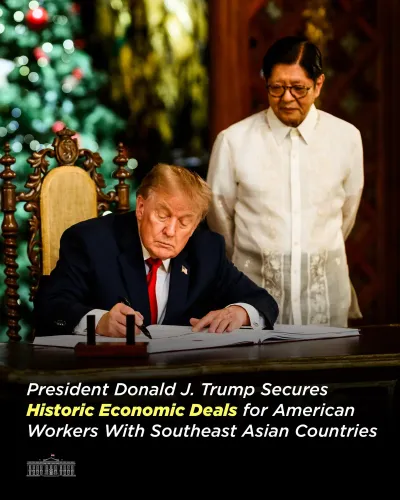
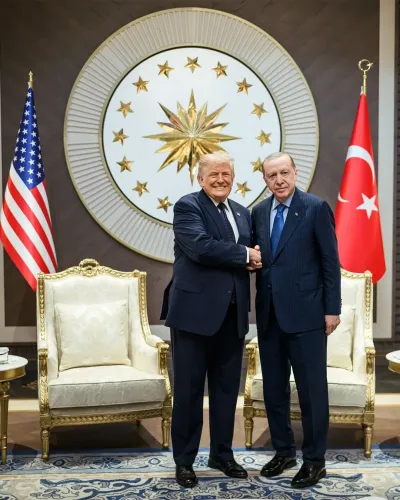
In what the White House is billing as a sprint of diplomatic firepower, President Donald J. Trump held meetings with more than 20 world leaders over just four days and, according to an official post on Friday, November 20, 2026, secured two new trade deals — with more in the pipeline. The White House framed the blitz squarely around its signature doctrine: 'Putting America FIRST on the world stage.'
A Four-Day Diplomatic Sprint — What the Numbers Say
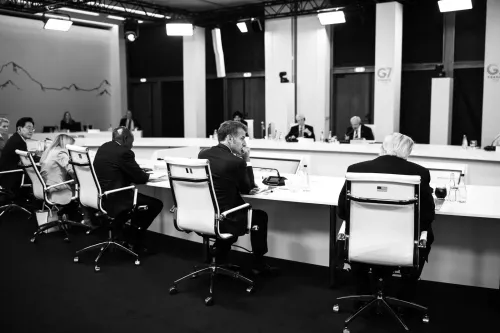
Twenty-plus leader meetings in four days is a punishing schedule by any standard. High-volume, face-to-face bilateral engagement of this kind has been a hallmark of the Trump approach to foreign policy — sideline summits at multilateral gatherings, rapid-fire one-on-ones, and handshake deals announced before the formal text is public. The White House post does not name the counterpart nations or identify the two deals by sector, leaving the specifics yet to be confirmed through official channels.
What the message does signal clearly is the frame the administration wants set: speed, volume, and a bilateral-over-multilateral instinct that has defined Trump's foreign-policy brand across both his terms.
The 'America First' Trade Playbook, Revisited
Trump's first term produced the USMCA — the renegotiated North American trade framework signed in 2018 — and a Phase One agreement with China concluded in January 2020. Both were held up as proof that bilateral pressure yields faster, more favourable terms for American exporters and manufacturers than sprawling multilateral negotiations. The current administration appears to be running the same playbook at higher velocity, with the White House using the two new deals as a campaign-style proof point.
US exporters and American manufacturers stand as the stated beneficiaries of this strategy. The broader question — which trading partners signed on, and what market access or tariff concessions changed hands — remains unanswered until the administration releases deal texts or official summaries.
What New Delhi Is Watching
For India, the optics carry weight. India–US trade has been a recurring friction point, with Washington pressing New Delhi on market access and tariff asymmetries. A White House in full bilateral-deal mode, working through a list of partners at speed, raises the question of where India sits in the queue — and on what terms. Any deal that reshapes American trade preferences with competing exporters in Asia or Europe lands directly on Indian strategic and commercial calculations.
The coming weeks will reveal whether the two referenced agreements are limited sectoral arrangements or broader frameworks — and which nations are next.
Point of View
Which is where the real policy stakes live. For observers tracking the second Trump term, the pattern echoes the first: announce the win, let the details follow, and keep the narrative frame on American agency rather than multilateral process. For India, the urgency is to understand whether these bilateral frameworks create preferential terms for competing exporters — and to position itself before the queue closes.
NationPress
20 Nov 2026
Frequently Asked Questions
How many world leaders did Trump meet in four days in November 2026?
According to the White House, President Trump met with more than 20 world leaders over a four-day period ending November 20, 2026, though the specific nations have not been publicly named.
What are the two trade deals Trump secured in November 2026?
The White House announced two new trade deals but has not yet publicly identified the partner countries or the sectors covered. Official details are expected to follow.
What does 'America First' mean in Trump's trade policy?
'America First' refers to Trump's doctrine of prioritising US economic interests through direct bilateral negotiations rather than multilateral trade frameworks, aiming for terms favourable to American exporters and manufacturers.
How does Trump's current trade push compare to his first term?
Trump's first term produced the USMCA in 2018 and a Phase One deal with China in January 2020. The current approach mirrors that playbook but at a faster pace, with two deals claimed in a single four-day diplomatic sprint.
What could Trump's new trade deals mean for India?
If the deals grant preferential terms to exporters competing with Indian goods or shift US import preferences, it could affect India's trade position. India and the US have ongoing friction over tariffs and market access, making deal details critical for New Delhi.