Gadkari inaugurates Chintan Shivir 2026, urges Centre-state coordination on highway delivery
Synopsis
Union Minister Nitin Gadkari used the Chintan Shivir 2026 conclave in Gujarat to push a clear message: India's highway delays are largely preventable, and the fix starts at the DPR stage. By calling for Centre-state knowledge-sharing and mandating road safety by design, Gadkari is signalling a systemic shift from reactive project management to front-loaded planning discipline.
Key Takeaways
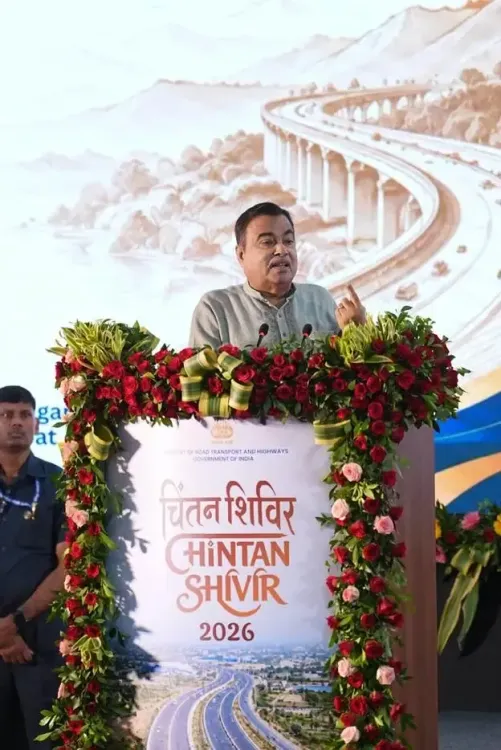
Nitin Gadkari inaugurated Chintan Shivir 2026 – A National Conclave on Highway Infrastructure in Gujarat on 5 October 2026 .
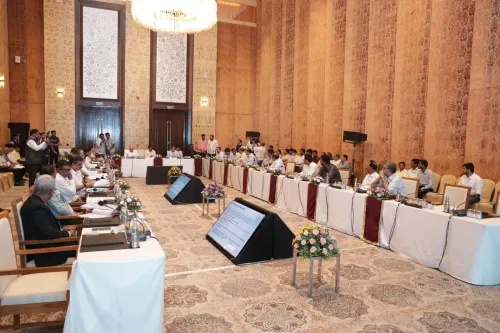
The conclave brought together transport and PWD ministers , senior state officials, implementing agencies, and industry stakeholders.
Gadkari stressed stronger advance planning at the Detailed Project Report (DPR) stage to minimise delays and cost overruns.
Road safety must be integrated into highway design from the planning phase, not added after construction, the minister said.
He called for wider adoption of new technologies and cost-effective materials, and urged formal sharing of successful state-level practices nationwide.
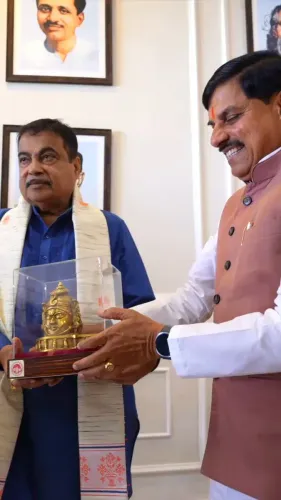
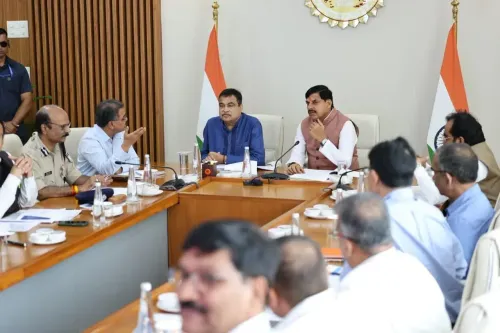
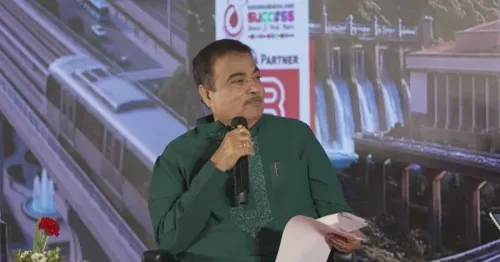
Union Minister for Road Transport and Highways Nitin Gadkari on Monday, 5 October 2026, inaugurated Chintan Shivir 2026 – A National Conclave on Highway Infrastructure in Gujarat, calling on the Centre, state governments, and implementing agencies to coordinate more effectively to ensure timely delivery of highway projects across India.
What the Conclave Brought Together
The Chintan Shivir drew transport and Public Works Department (PWD) ministers, senior state PWD officials, implementing agencies, and other stakeholders from across the country. Sessions were structured around addressing implementation challenges, sharing field-tested best practices, and identifying practical, replicable solutions for more efficient highway development.
Gadkari described the conclave as 'an important platform for the Centre and states to share field-level experiences and collaborate towards practical solutions for emerging challenges in highway development.'
Key Priorities Flagged by Gadkari
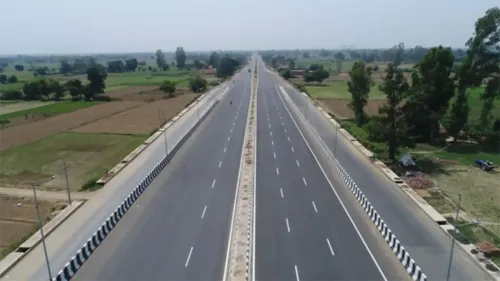
The minister placed particular emphasis on advance planning and preparedness at the Detailed Project Report (DPR) stage. He stressed that proper surveys, alignment planning, land acquisition, utility shifting, and timely statutory clearances at the outset can help minimise delays, prevent cost escalation, and improve overall project efficiency.
Gadkari also underlined that road safety must be embedded into highway planning and design from the very beginning — not retrofitted after construction. Identifying accident-prone locations and incorporating safety interventions during the planning and construction stages, he argued, is critical to reducing road accidents nationwide.
Technology, Innovation and Best Practices
The minister called for wider adoption of new technologies, innovative construction methods, and cost-effective materials to improve quality while bringing down construction and maintenance costs. He encouraged states and implementing agencies to actively share field-level innovations and stressed the role of research and continuous improvement in highway construction.
Notably, Gadkari urged that successful practices adopted by individual states be formally shared, evaluated, and replicated wherever appropriate — signalling a push toward a national knowledge-sharing framework for infrastructure delivery.
Why It Matters
India's highway development programme has historically faced delays stemming from land acquisition bottlenecks, clearance lags, and coordination gaps between central and state agencies. The Chintan Shivir format is designed to surface and resolve precisely these friction points by bringing decision-makers into direct dialogue. This comes as the government continues to pursue an ambitious road infrastructure buildout, with quality, safety, and speed flagged as non-negotiable benchmarks.
The outcomes of the conclave, including any agreed action points between the Centre and state governments, are expected to shape implementation protocols for ongoing and upcoming national highway projects.
Point of View
Utility shifting, clearances, and contractor coordination, all of which span multiple agencies and jurisdictions. Gadkari's emphasis on DPR-stage preparedness addresses a well-documented root cause, but the gap between ministerial emphasis and field-level execution has persisted for years. The real question is whether the conclave produces enforceable protocols or remains a policy statement exercise. Without accountability mechanisms tied to DPR quality and clearance timelines, the structural delays will outlast any single conclave.
NationPress
5 Oct 2026
Frequently Asked Questions
What is Chintan Shivir 2026 and why was it held?
Chintan Shivir 2026 – A National Conclave on Highway Infrastructure is a national-level deliberative forum inaugurated by Union Minister Nitin Gadkari in Gujarat on 5 October 2026. It was convened to bring together transport ministers, state PWD officials, and implementing agencies to address implementation challenges and share best practices in highway development.
What did Nitin Gadkari emphasise at the Chintan Shivir?
Gadkari stressed advance planning at the Detailed Project Report (DPR) stage — covering surveys, land acquisition, utility shifting, and statutory clearances — to prevent delays and cost overruns. He also called for road safety to be built into highway design from the start, and urged adoption of new technologies and cost-effective construction materials.
Why does Centre-state coordination matter for highway projects?
Highway projects in India involve multiple agencies across central and state governments, making coordination gaps a major source of delays and cost escalation. Gadkari said the conclave provides a platform to share field-level experiences and develop collaborative, practical solutions to these recurring challenges.
What is the significance of the DPR stage in highway development?
The Detailed Project Report (DPR) stage is where surveys, alignment planning, land acquisition, and clearances are mapped out. Gadkari argued that better preparedness at this stage is the single most effective lever for minimising downstream delays and avoiding cost overruns in highway projects.
What outcomes are expected from Chintan Shivir 2026?
The sessions were aimed at identifying practical and replicable solutions for more efficient highway delivery. Agreed action points between the Centre and state governments from the conclave are expected to shape implementation protocols for ongoing and upcoming national highway projects.