Rahul Gandhi Will Not Attend Kerala Rally; Kharge to Lead Event
Synopsis
In a surprising turn, Rahul Gandhi will miss the Kerala rally set for Wednesday, with Congress President Mallikarjun Kharge stepping in. This marks the beginning of an extensive campaign leading to the April 9 elections.
Key Takeaways
Rahul Gandhi will miss the Kerala rally.
Mallikarjun Kharge will address the event instead.
The rally is part of a broader campaign leading to elections on April 9.
The all-party meeting will be chaired by Amit Shah .
The conflict in West Asia continues to escalate, affecting global markets.
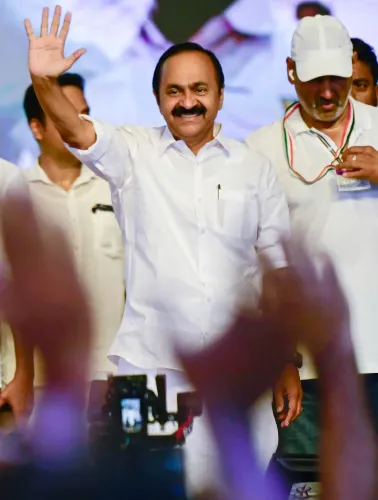
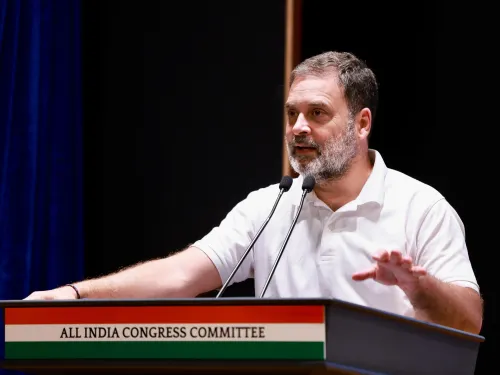
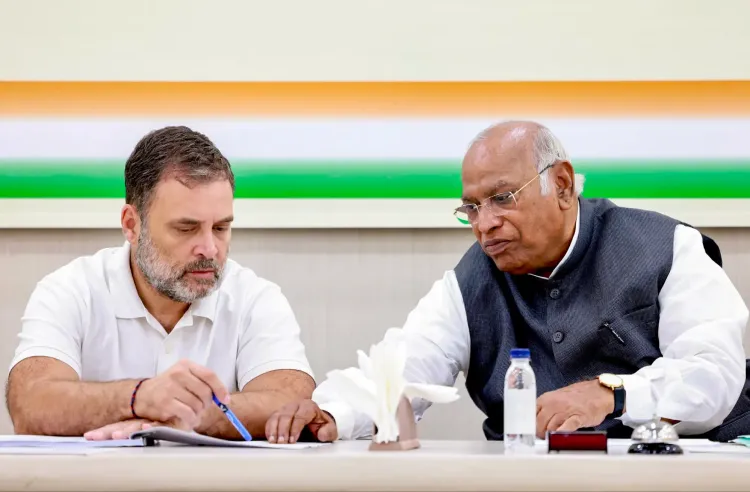
New Delhi, March 25 (NationPress) The Leader of Opposition (LoP) in the Lok Sabha, Rahul Gandhi, will not be present at the public meeting set to take place in Kerala this Wednesday.
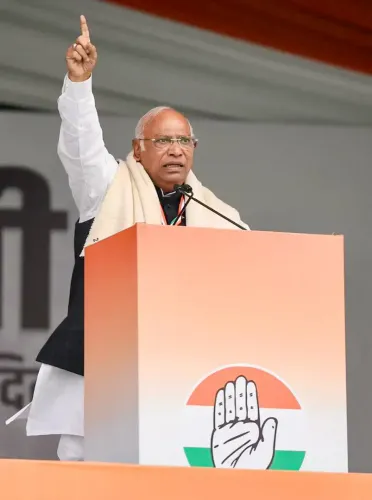
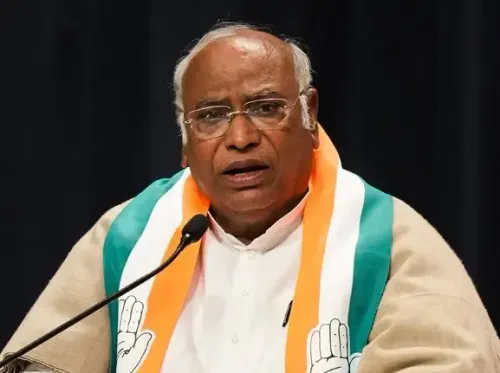
Instead, the rally will be addressed by Congress National President Mallikarjun Kharge.
This rally, organized in Kozhikode, serves as the launch of what is anticipated to be an extensive outreach across significant locations in the state.
The elections in Kerala will occur on April 9, where 140 legislators will be elected.
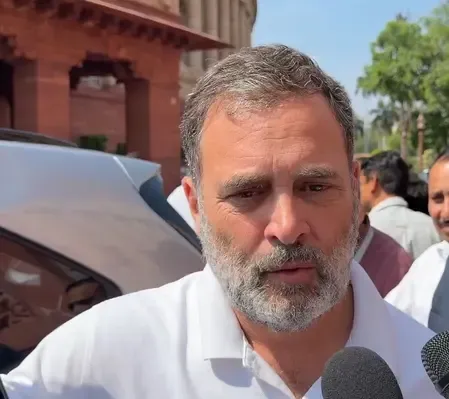
Previously, on Tuesday, Gandhi expressed his inability to attend the all-party meeting scheduled for Wednesday evening, citing his commitment to the event in Kerala. Nonetheless, he appreciated the move for broader discussions.
"It's commendable that an all-party meeting has been convened — discussions are essential. However, you've made a fundamental error. The entire structure has been compromised. Rectifying this will require significant time," he commented.
The LoP also criticized the government, claiming that India's foreign policy has become "compromised," motivated by personal interests instead of national priorities.
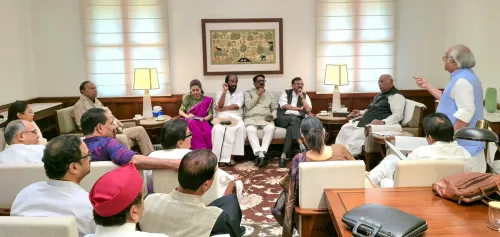
Additionally, Home Minister Amit Shah will lead the all-party meeting on Wednesday evening to update political leaders on the ongoing crisis in West Asia, amidst growing concerns about its economic and security ramifications for India.
Five to six ministers, including External Affairs Minister S. Jaishankar, will be present at the meeting representing the government.
Foreign Secretary Vikram Misri will provide a briefing on the current situation in West Asia during this gathering.
The meeting is scheduled for 5 p.m. within the Parliament complex.
This initiative follows remarks made by Prime Minister Narendra Modi in both Houses of Parliament, where he characterized the situation as an "unprecedented crisis" with potentially enduring effects.
The conflict in West Asia has now reached its fourth week, disrupting crucial maritime trade routes, particularly through the Strait of Hormuz. The escalating tensions have contributed to instability in global energy markets and raised concerns regarding supply chains and inflation, prompting the government to enhance consultations with political stakeholders.
Point of View
It’s important to recognize the shifting dynamics within the Congress party as Rahul Gandhi opts out of a major rally. The decision reflects strategic positioning as elections approach, underlining the party's efforts to engage voters amidst a critical political landscape.
NationPress
24 Sept 2026
Frequently Asked Questions
Who will address the Kerala rally instead of Rahul Gandhi?
Congress National President Mallikarjun Kharge will address the rally in Kerala.
What is the significance of the rally in Kozhikode?
The rally marks the beginning of an extensive outreach campaign ahead of the elections in Kerala on April 9.
When will Kerala go to the polls?
Kerala will hold elections on April 9 to elect 140 legislators.
Why did Rahul Gandhi skip the all-party meeting?
He cited his commitment to the public meeting in Kerala as the reason for not attending the all-party meeting.
What are the concerns surrounding the situation in West Asia?
The ongoing crisis in West Asia has raised concerns regarding its economic and security implications for India.