Gandhinagar floods: 15 evacuated as district records 54 mm rainfall on July 23
Synopsis
As Gandhinagar recorded up to 54 mm of rain in a single day — with 39 mm falling in just two hours in Mansa taluka — the district administration evacuated 15 women and children and put the entire machinery on high alert. With shelter capacity readied for 60 and dewatering pumps on standby, authorities are bracing for further inundation.
Key Takeaways
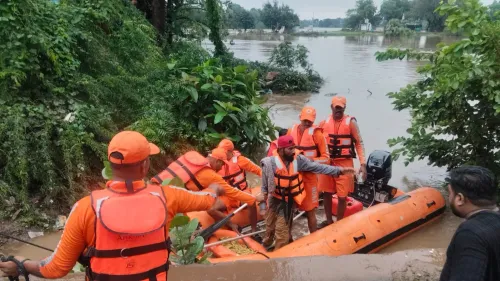
The Gandhinagar district administration evacuated around 15 women and children from flood-affected areas on 23 July .
Mansa taluka recorded the highest rainfall at 54 mm , with 39 mm falling in just two hours between 4 pm and 6 pm .
Evacuees from Chiloda (Daboda) village and Sancholi area were sheltered in a local school with food, bedding, and accommodation.
The shelter school has been prepared to accommodate more than 60 people if additional evacuations are needed.
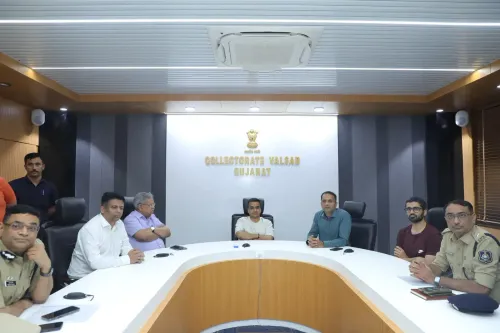
District Collector Ravindra Khatale directed all departmental officials to remain at headquarters and not leave without prior approval.
The administration is monitoring alerts via the Sachet App and has urged residents to follow only official advisories.
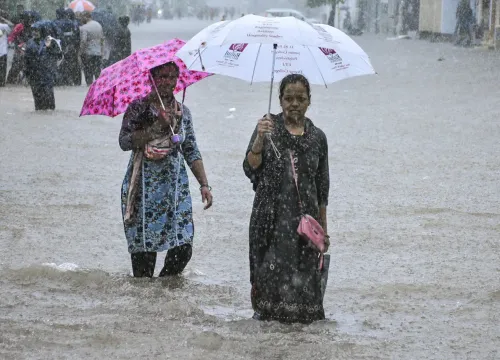
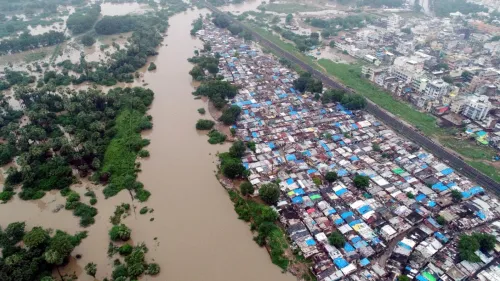
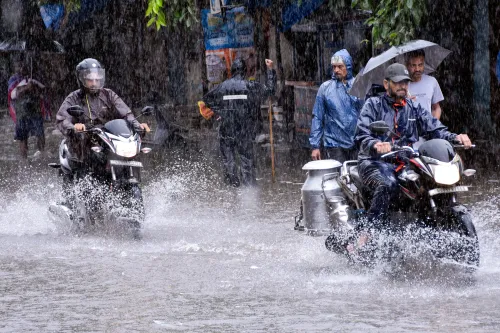
The Gandhinagar district administration evacuated around 15 women and children from flood-affected low-lying localities to a temporary shelter on Thursday, 23 July, as heavy and intensifying rainfall swept across the district. Authorities placed the entire administration on high alert and issued precautionary directives to all departments amid forecasts of continued heavy rain.
Rainfall Figures Across the District
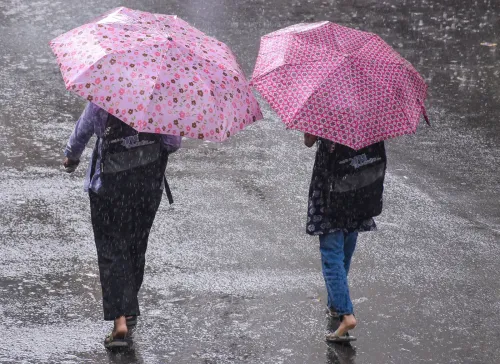
According to the Gandhinagar District Control Room, the district recorded an average rainfall of 36.5 mm (approximately 1.5 inches) up to 6 pm on 23 July. Mansa taluka received the highest single-point total at 54 mm, with 39 mm of that falling within just two hours between 4 pm and 6 pm.
Gandhinagar taluka recorded 48 mm overall, including 26 mm during the same two-hour window. Kalol received 26 mm and Dehgam recorded 18 mm through the day. District-wide, an average of 20.25 mm fell between 4 pm and 6 pm alone, as intermittent morning showers gave way to a sharper evening burst.
Evacuation and Shelter Arrangements
The evacuated residents were from Chiloda (Daboda) village and the Sancholi area in Gandhinagar taluka, where rainwater had pooled in low-lying localities. They were moved to a local school under district administration supervision, where accommodation, bedding, and food arrangements were put in place.
District Collector Ravindra Khatale directed officials to ensure no inconvenience was caused to those sheltering at the facility. The Taluka Development Officer confirmed the school had been prepared to accommodate more than 60 people with basic facilities should additional evacuations become necessary, while dewatering operations continued in affected areas.
Administration on High Alert
The district administration issued detailed instructions to all Mamlatdars, Taluka Development Officers, municipal chief officers, and officials of the Roads and Buildings, Irrigation, and Forest departments, directing them to remain at their headquarters and not leave without prior approval from competent authority.
Officials were instructed to undertake timely evacuations in vulnerable low-lying zones, install barricades at waterlogged and hazardous locations, deploy police where necessary, keep dewatering pumps on standby, relocate residents from severely dilapidated structures if life was at risk, restore roads blocked by fallen trees, and maintain safety along the Narmada Canal and adjoining roads.
City Monitoring and Ground Response
In Gandhinagar city, Deputy Municipal Commissioner B.R. Ahir, City Engineer B.K. Pandya, and other senior officials monitored the rainfall situation from the Integrated Command and Control Centre through live feeds covering roads, stormwater drainage, and sewerage networks.
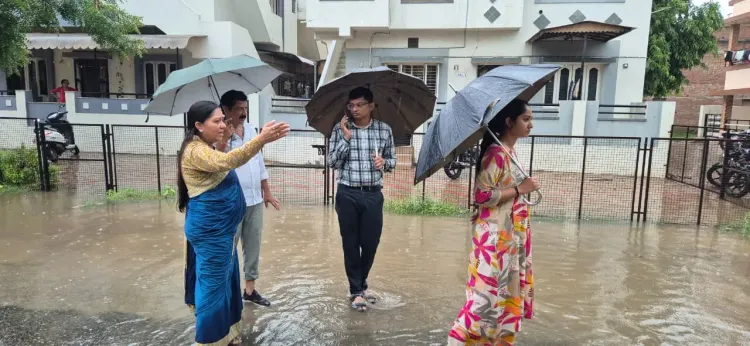
Mayor Mira Patel visited affected areas including Sectors 4 and 6, instructing officials to expedite rainwater drainage, address waterlogging, and maintain uninterrupted civic services. Civic teams remained deployed across the city round the clock. The administration said it was continuously tracking weather and disaster alerts via the Sachet App and appealed to residents to rely solely on official advisories and avoid rumours.
With heavy rainfall forecasts still in effect, authorities say the situation remains under active watch and further evacuations will be carried out as needed.
Point of View
Low-connectivity localities like Chiloda, how many residents actually receive those alerts in time?
NationPress
22 Oct 2026
Frequently Asked Questions
Why were residents evacuated in Gandhinagar on 23 July?
Around 15 women and children were evacuated from low-lying localities in Chiloda (Daboda) village and the Sancholi area in Gandhinagar taluka, where heavy rainfall caused rainwater to accumulate. The district administration moved them to a local school as a precautionary measure amid forecasts of continued heavy rain.
How much rainfall did Gandhinagar district record on 23 July?
The district recorded an average of 36.5 mm of rainfall up to 6 pm on 23 July. Mansa taluka received the highest amount at 54 mm, with 39 mm of that falling within just two hours between 4 pm and 6 pm.
What emergency measures has the Gandhinagar administration put in place?
The administration placed the entire district machinery on high alert, directing all Mamlatdars, Taluka Development Officers, and departmental officials to stay at their headquarters. Dewatering pumps have been kept on standby, barricades ordered at waterlogged locations, and a local school shelter readied for up to 60 evacuees.
Who is overseeing the flood response in Gandhinagar?
District Collector Ravindra Khatale is leading the district-level response, while Deputy Municipal Commissioner B.R. Ahir and City Engineer B.K. Pandya are monitoring the city situation from the Integrated Command and Control Centre. Mayor Mira Patel also visited flood-affected sectors and issued directives to civic teams.
What should Gandhinagar residents do during the heavy rainfall?
The district administration has appealed to residents to rely only on official advisories and avoid acting on rumours. Alerts are being tracked through the Sachet App, and residents in vulnerable low-lying areas are advised to follow evacuation instructions from local authorities promptly.