Is Rahul Gandhi Responsible for Congress's Declining Fortunes Following Sidda-DK Conflict and Bhupen Borah’s Departure?
Synopsis
The resignation of Bhupen Borah from Congress has reignited discussions about the party's internal strife and Rahul Gandhi's leadership. As factional battles escalate, can Congress regain its footing amidst these challenges?
Key Takeaways
Bhupen Kumar Borah's resignation highlights Congress's internal turmoil.
Factionalism is a significant barrier to the party's electoral success.
Rahul Gandhi's leadership is under scrutiny for failing to manage crises.
States like Karnataka and Punjab are prime examples of internal strife.
Urgent action is needed to restore party unity and credibility.
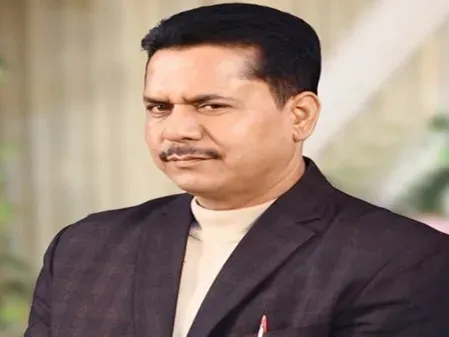
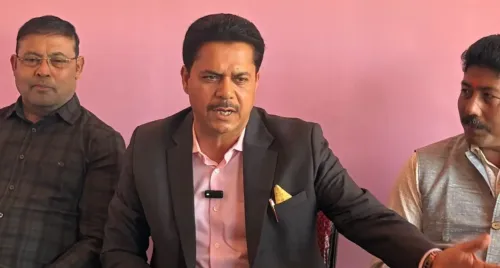
New Delhi, Feb 22 (NationPress) The unexpected resignation of former Assam Congress chief Bhupen Kumar Borah, citing feelings of humiliation within the party, has once again spotlighted the Congress party's ongoing decline and its repeated failures, particularly the inability of the party's high command to prevent veteran leaders from leaving and to resolve factional disputes that have increasingly contributed to its electoral losses.
In numerous states, local Congress factions have been marginalized due to internal conflicts, with a significant erosion of trust and confidence among allies.
The party's central leadership, which should act as a final resort in resolving crises, has been unable to meet the challenges posed by its “inertia and latency” in decision-making, resulting in a continuous downslide.
Over the past five years, numerous examples illustrate the Congress’s failures under Rahul Gandhi’s leadership. The party has not only performed poorly in elections but has also witnessed severe internal strife, a failure to address dissent within its ranks, and an inability to establish productive relationships with regional leaders, ultimately leading to the loss of discontented members.
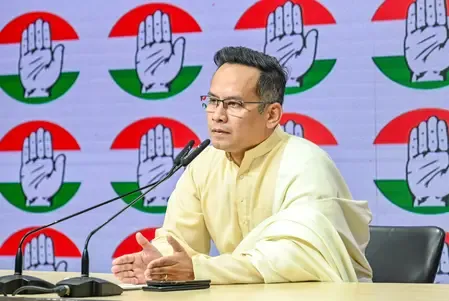
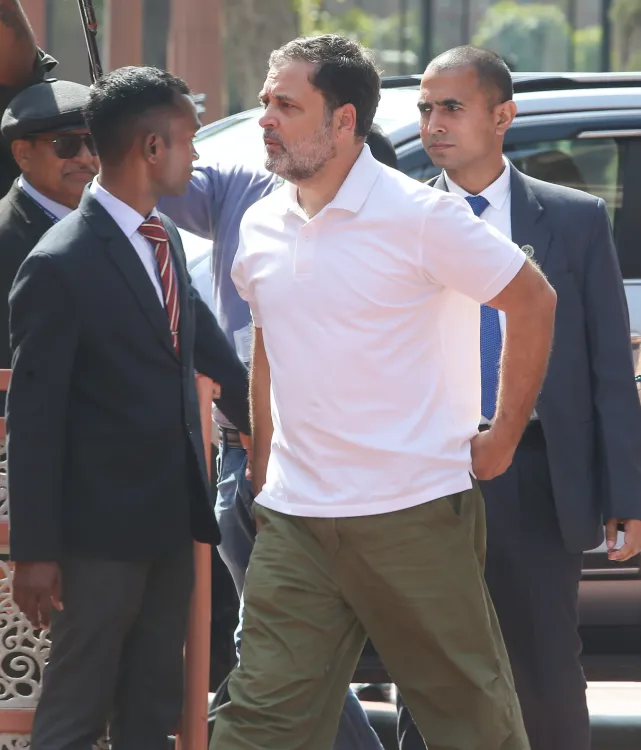
The ongoing power struggle between Siddaramaiah and DK Shivakumar in Karnataka exemplifies the blatant factionalism within Congress that has persisted openly for months, with the high command failing to mediate peace between the factions. Reports indicate that Gandhi's meeting with Shivakumar did not yield fruitful outcomes, as the “rebellion” remains unresolved.
Here are several instances where the Congress leadership has been deemed inadequate in addressing crises. Instead of guiding the party, the top brass has left state units to confront “uncomfortable situations” independently, a trend observed nationwide.
In Himachal Pradesh, factions led by Sukhvinder Singh Sukhu and Pratibha Singh engaged in organizational rivalry over the state party president position in 2025, resulting in multiple meetings in Delhi that failed to reach a conclusion. The dissolution of the state unit led to a scramble for leadership, with the top brass contemplating a compromise involving a single state president and multiple working presidents to balance factional interests.
In Delhi and its NCR, the party's influence has significantly diminished and appears irreparable.
Despite being out of power in the national capital for 15 years, the party struggles to present a united front. Its defeat in the 2025 Delhi elections highlights the decline that the party is experiencing.
In neighboring Haryana, the Congress party had a prime opportunity to unseat the BJP government in 2024, but internal rivalries sabotaged its chances of resurgence. The factions led by Bhupinder Singh Hooda and Kumari Selja clashed just before the Assembly elections, squandering a significant opportunity.
The persistent factionalism in Punjab from 2022 to 2026 severely damaged its prospects. The intense rivalry between Captain Amarinder Singh and Navjot Singh Sidhu created discomfort for the central leadership, prompting intervention after initial hesitation. Although Charanjit Singh Channi took over, the damage was substantial and largely irretrievable.
Uttar Pradesh, the largest state with two Gandhi family power centers, reflects the party's troubling state of affairs. The dissolution of the state unit in 2024, with hopes for revival, has not materialized.
In the northeastern region, including Arunachal Pradesh and Assam, the party remains in chaos.
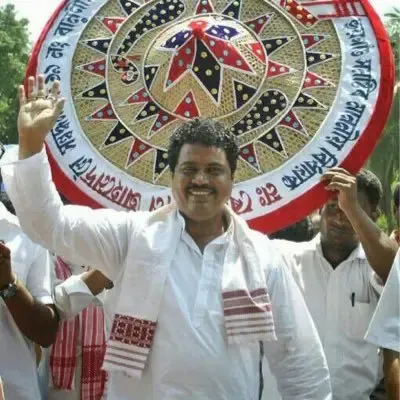
Just ahead of the upcoming elections, Borah resigned from the party, citing feelings of “insult and neglect” by the leadership, opting to switch to the BJP instead. Gandhi's attempts to persuade him were rejected.
In West Bengal, another state preparing for elections in 2026, the party has been pushed to the sidelines by its own regional ally, the Trinamool Congress. Mamata Banerjee's party has distanced itself from Congress ahead of critical elections, turning down proposals for collaboration.
During the 2025 Jharkhand Assembly elections, the Congress aligned with the Hemant Soren-led JMM, but the outcome was fraught with accusations of betrayal from the regional ally.
In the 2025 Bihar Assembly elections, although Congress and RJD mounted a robust campaign, the results favored the incumbent government, leading to perceptions of Congress as a “liability” rather than an asset, mirroring sentiments from the 2020 Assembly elections.
In Odisha, the PCC continues to suffer from the departures of key leaders. After underperforming in the 2024 Assembly elections, the state unit finds itself in a state of disarray.
In the western belt, the internal strife within Congress has significantly hindered its recovery prospects.
Rajasthan, governed by Congress, experienced the ousting of the Ashok Gehlot government in 2023, largely attributed to the conflict between the Chief Minister and his former deputy Sachin Pilot. Reports indicated that this public discord adversely impacted the party's prospects in both Assembly and Lok Sabha elections.
In Gujarat, the historic dominance of the BJP government over the last two decades has led to Congress's failure to mount a serious challenge. The recent elections saw central leadership questioning the credibility of their own state leaders, with allegations that some were working in favor of the ruling party.
In Maharashtra, the party's strength has dwindled over time due to the exit of key veterans and prominent leaders. The central leadership took a passive approach as significant leaders departed.
Tamil Nadu, gearing up for elections this year, is bracing for a challenging battle with the BJP intensifying its efforts. While the DMK and Congress maintain their alliance, growing discord over seat-sharing arrangements continues to pose challenges.
Point of View
It is evident that the Congress party is grappling with significant internal challenges. The leadership's inability to manage factionalism and retain veteran members has raised questions about its effectiveness. The situation demands urgent attention to restore the party's credibility and electoral prospects.
NationPress
30 Sept 2026
Frequently Asked Questions
What led to Bhupen Borah's resignation?
Bhupen Borah resigned, citing feelings of humiliation and neglect by the party leadership.
How has Rahul Gandhi's leadership impacted Congress?
Rahul Gandhi's leadership has been criticized for failing to resolve internal conflicts and retain key party members, contributing to the party's electoral decline.
What are the major factional disputes within Congress?
Major disputes include the power struggle between Siddaramaiah and DK Shivakumar in Karnataka, as well as various factional battles in states like Himachal Pradesh and Punjab.
How does Congress's internal strife affect its electoral prospects?
The ongoing internal conflicts and lack of unity severely undermine Congress's ability to present a strong front in elections, leading to poor performance at the polls.
What steps can Congress take to recover?
Congress needs to address its internal disputes, foster unity among factions, and strengthen ties with regional allies to restore its electoral viability.