What Project Did the Ganga Panel Approve for Bird Habitat Protection?
Synopsis
In a significant move towards environmental conservation, the National Mission for Clean Ganga's Executive Committee has launched a project to protect endangered bird breeding habitats in the Ganga basin. This initiative not only focuses on avifaunal conservation but also incorporates community involvement and innovative pollution control measures.
Key Takeaways
Conservation of endangered bird species in the Ganga basin.
Community involvement and training in conservation efforts.
Implementation of Nature-based Solutions for pollution abatement.
Long-term monitoring and evidence-based conservation strategies.
Integration of cultural heritage preservation in environmental projects.
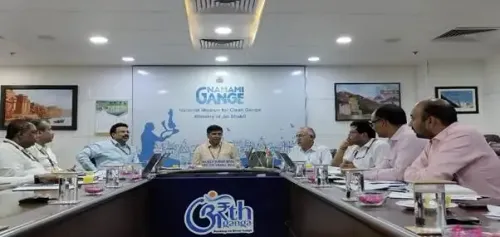
New Delhi, Dec 29 (NationPress) The 68th meeting of the Executive Committee of the National Mission for Clean Ganga (NMCG) recently sanctioned a significant initiative aimed at preserving the breeding environments of threatened bird species within the Ganga basin, as confirmed by an official on Monday.
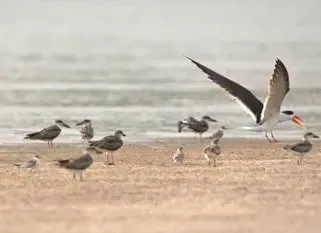
The focus of this project is to safeguard the nesting grounds of sandbar-nesting birds, such as the Indian Skimmer, according to a representative from the Ministry of Jal Shakti.
Chaired by Rajeev Kumar Mittal, Director General of NMCG, the Executive Committee underscored the importance of innovative strategies for pollution control, and approved plans for Nature-based Solutions to address the treatment and rejuvenation of the Shastri Park drain, Gaushala drain, and Kailash Nagar/Ramesh Nagar drains in Delhi, which flow into the Yamuna, noted the official statement.
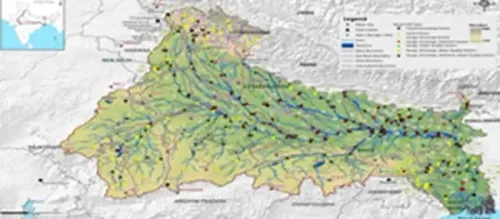
Aligned with the Namami Gange Mission–II, this initiative emphasizes long-term monitoring, community involvement, and data-driven conservation efforts. Nest monitoring will extend in the Chambal and Lower Ganga regions and will commence in Bijnor, Narora, and Prayagraj, as stated.
Local communities will receive training to assist in safeguarding vulnerable sandbars, minimizing human interference, and promoting awareness and skill-building initiatives, the statement added.
This pioneering project is dedicated to Avifauna conservation and will complement the NMCG’s efforts concerning dolphins, fish, turtles, and muggers, thus enhancing the focus on riverine faunal biodiversity.
Additionally, the Executive Committee examined innovations through Nature-based Solutions, conservation of rich cultural heritage, and the facilitation of prompt execution of infrastructure projects.
This eco-friendly initiative effectively treats raw sewage on-site before it enters the Yamuna, utilizing natural methods such as rock filters, stone masonry, and aquatic plants.
To preserve cultural heritage, a detailed master plan has been devised to restore the natural sanctity and cultural identity of the Gomti River's source in Pilibhit, Uttar Pradesh.
This plan incorporates infrastructure development, catchment area treatment, rejuvenation of water sources, and nature-based sewage treatment from Madho Tanda. It also encompasses the creation of ghats and aarti platforms, rejuvenating lakes, and conserving turtle habitats. Facilities such as a crematorium, Panchvatika, and yoga mandap will further enhance the site’s cultural and spiritual significance.
During the meeting, updated administrative and expenditure approvals were granted to ensure the successful implementation and smooth operation of various projects across the Ganga basin states, thereby maintaining project momentum and achieving intended outcomes, according to the statement.
These approvals will tackle practical implementation challenges and encourage a more efficient resource allocation. These decisions mark a major advancement toward improving the quality, transparency, and timeliness of ongoing projects in the Ganga basin, and furthering the goals of river conservation and environmental enhancement.
The projects that will benefit from these approvals include the 10 KLD Faecal Sludge and Septage Treatment Plant in Mirzapur district, Uttar Pradesh; rehabilitation of existing sewerage infrastructure and renovation of the main sub-station in Kanpur; and the trash skimmer initiative to maintain the cleanliness of the Ganga's surface in Varanasi. Other projects include interception and diversion and STP initiatives in Danapur, Phulwari Sharif, and Fatuha in Bihar; the interception and diversion and STP project in Phusro, Jharkhand; along with minor adjustments in two major Ganga pollution abatement projects located in West Bengal at Garden Reach and Kooraapukur.
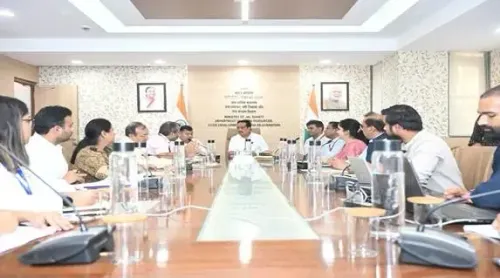
The meeting was attended by several senior officials from the Ministry and associated agencies, including Gaurav Masaldan, Joint Secretary and Financial Adviser of the Department of Water Resources; Nalin Srivastava, Deputy Director General of NMCG; Brijendra Swaroop, Executive Director (Projects); Anup Kumar Srivastava, Executive Director (Technical); S.P. Vashishtha, Executive Director (Administration); and Bhaskar Dasgupta, Executive Director (Finance).
Project Directors from various State Governments present at the meeting included Nandini Ghosh (West Bengal), Jogendra Kumar (Uttar Pradesh), Animesh Kumar, Managing Director of BUDCO, and Rahul Dwivedi, Director of NMCG, as stated.
Point of View
I believe this initiative exemplifies a commendable effort by the National Mission for Clean Ganga to address both environmental and cultural conservation. By integrating community participation with innovative solutions, the project not only aims to protect endangered species but also enriches the heritage of the Ganga basin. This holistic approach is essential in our ongoing journey towards sustainable development.
NationPress
1 Oct 2026
Frequently Asked Questions
What is the purpose of the new project approved by NMCG?
The project aims to conserve the breeding habitats of endangered bird species, particularly sandbar-nesting birds like the Indian Skimmer, in the Ganga basin.
How will local communities be involved in this project?
Trained local communities will assist in protecting sensitive sandbars, reducing human disturbances, and promoting awareness and capacity-building initiatives.
What are Nature-based Solutions mentioned in the project?
Nature-based Solutions refer to innovative strategies for pollution abatement, including the use of natural methods to treat sewage and restore ecosystems.
Where will the project be implemented?
The project will be implemented across the Ganga basin, with specific focus areas including Bijnor, Narora, Prayagraj, and various drains in Delhi.
What other conservation efforts are linked with this project?
This project complements ongoing conservation efforts focused on dolphins, fish, turtles, and other riverine biodiversity in the Ganga basin.