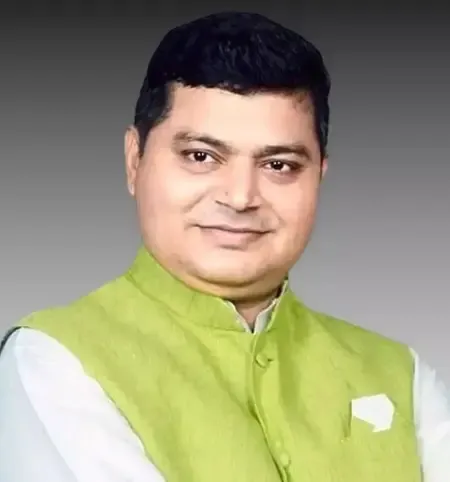
Minister Raj Bhushan Choudhary Reports 355 Projects Completed Under Namami Gange Initiative
Synopsis
The Namami Gange Programme has seen significant progress with 355 projects completed out of 524 approved for river cleaning. Discover the financial backing and diverse initiatives aimed at rejuvenating the Ganga River.
Key Takeaways
524 projects sanctioned under the Namami Gange Programme.
355 projects completed as of February 2026.
Investment of Rs 43,030 crore dedicated to river cleaning.
Includes initiatives for wastewater treatment and biodiversity conservation .
Launch of the Ganga Knowledge Portal to enhance resource management.
New Delhi, April 2 (NationPress) A total of 524 initiatives aimed at cleaning the Ganga river have been approved under the Namami Gange Programme, with a financial commitment of Rs 43,030 crore. As of February 2026, 355 of these projects have been successfully completed, as reported to the Lok Sabha on Thursday.
The Minister of State (MoS) for Jal Shakti, Raj Bhushan Choudhary, shared in a written statement that a variety of measures for the cleaning and revitalization of the Ganga have been undertaken as part of the Central Sector scheme.
These initiatives encompass wastewater treatment, riverfront management, ensuring environmental flow, rural sanitation, afforestation, biodiversity conservation, and promoting public involvement in the rejuvenation of the Ganga and its tributaries.
Additionally, under the Centrally-sponsored scheme of the National River Conservation Plan (NRCP), various pollution control efforts are in progress involving the interception and diversion of untreated sewage, construction of sewage systems, establishment of sewage treatment plants, low-cost sanitation initiatives, and the development of riverfronts and bathing ghats for rivers across the nation, excluding those within the Ganga Basin, as highlighted by MoS Choudhary.
Currently, the NRCP has been implemented across 58 rivers in 100 towns spanning 17 states, with a total sanctioned budget of Rs 8,970.51 crore and a sewage treatment capacity of 3,019 million litres per day (MLD).
Under the National Mission for Clean Ganga, a total of 218 sewerage infrastructure projects with an investment of Rs 35,794 crore have been initiated to clean polluted river areas, achieving a treatment capacity of 6,610 MLD. Moreover, 138 sewage treatment plant (STP) projects, capable of handling 4,050 MLD, have been completed and are now operational.
A Ganga Knowledge Portal has also been introduced by the National Mission for Clean Ganga, serving as a centralized hub for extensive resources related to water resource management.
This platform is designed to provide access for students, researchers, stakeholders, and the public to a wide range of materials, including 1,346 documents such as journals, publications, technical articles, and research reports, as well as datasets like District River Maps and STP performance.
By addressing the complexities of water resource management, the Ganga Knowledge Portal seeks to elevate awareness and promote informed decision-making within this vital sector.
Point of View
The government's commitment to cleaning the Ganga River through the Namami Gange Programme demonstrates a proactive approach to environmental conservation. While significant progress has been made with numerous projects completed, the ongoing challenges of pollution and resource management must continue to be addressed effectively.
NationPress
5 Oct 2026
Frequently Asked Questions
What is the Namami Gange Programme?
The Namami Gange Programme is an initiative by the Indian government aimed at cleaning and rejuvenating the Ganga River through various projects focused on pollution control, wastewater treatment, and community involvement.
How much has been invested in the Namami Gange Programme?
A total of Rs 43,030 crore has been sanctioned for the Namami Gange Programme, which includes funding for 524 projects.
How many projects have been completed under this programme?
As of February 2026, 355 projects have been completed under the Namami Gange Programme.
What types of interventions are included in the programme?
Interventions include wastewater treatment, riverfront management, rural sanitation, afforestation, and public participation in the river's rejuvenation.
What is the Ganga Knowledge Portal?
The Ganga Knowledge Portal is a centralized resource platform launched by the National Mission for Clean Ganga, providing access to documents and data related to water resource management.