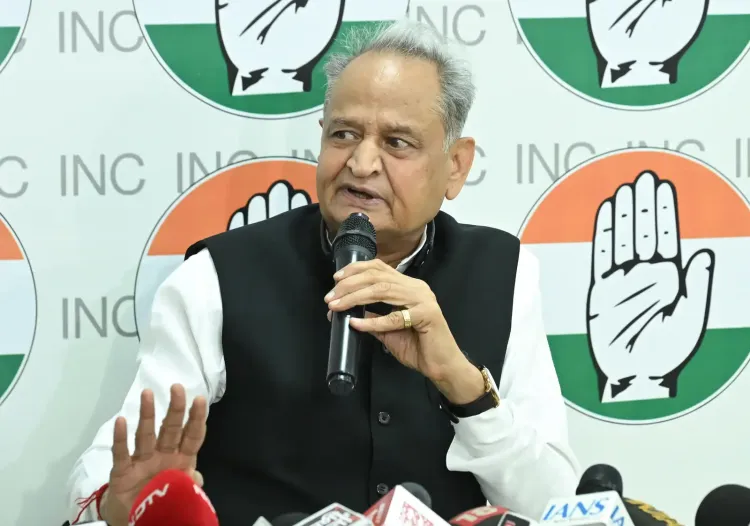
Gehlot accuses BJP of running a 'ruling Opposition' amid electoral roll row
Synopsis
Ashok Gehlot has coined a stinging phrase — 'ruling Opposition' — to describe a BJP that holds power at the Centre and in multiple states yet has deployed its entire ministerial machinery for street marches. The charge frames the electoral roll controversy not as a BJP offensive but as a panic response, putting the ECI's credibility squarely in the crosshairs.
Key Takeaways
Ashok Gehlot on 4 November 2026 accused the BJP of staging nationwide marches to divert attention from electoral roll irregularities.
Gehlot coined the phrase 'ruling Opposition' , arguing it is unprecedented in India's 80-year democratic history for a ruling party to hold sit-ins against the Opposition.
The controversy centres on alleged irregularities in the Special Intensive Revision (SIR) of electoral rolls and alleged Election Commission of India collusion.
The Congress leader claimed the BJP had 'panicked' after vote-theft allegations surfaced and praised Rahul Gandhi 's approach as democratic and peaceful.
The INDIA Bloc's mega rally was described by Gehlot as 'disciplined and peaceful', contrasting it with what he called the BJP's 'pointless marches'.
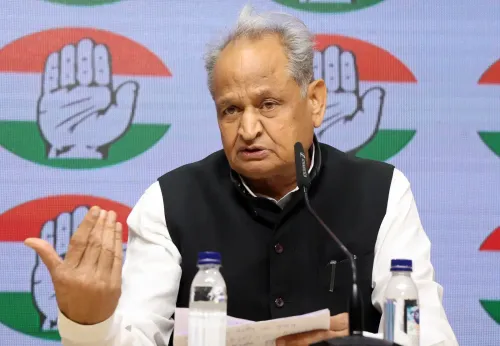
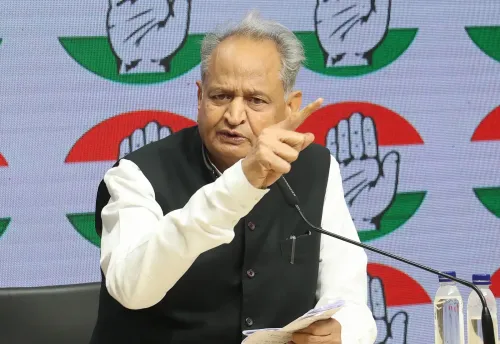
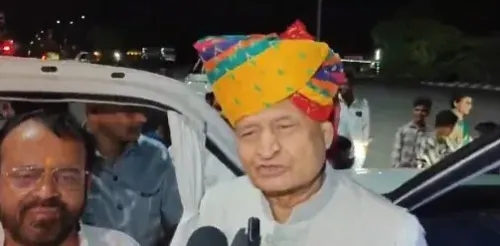
Former Rajasthan Chief Minister Ashok Gehlot on 4 November 2026 accused the Bharatiya Janata Party (BJP) of orchestrating nationwide marches to deflect public attention from allegations of vote theft and alleged irregularities in the Special Intensive Revision (SIR) of electoral rolls. Gehlot alleged that the ruling party had deployed Union Ministers, Chief Ministers, and state ministers for the exercise — an unprecedented mobilisation he described as a spectacle unique in India's democratic experience.
The 'Ruling Opposition' Charge
At the centre of Gehlot's broadside was a pointed rhetorical charge: that the BJP, while holding power at both the Centre and in multiple states, was behaving like an opposition party staging protests. 'For the first time in India's 80-year democratic history, the country is witnessing a ruling Opposition — a party that is itself in power staging sit-ins, demonstrations and marches against the Opposition,' he said in a statement.
Gehlot questioned whether Union and state governments had exhausted all pressing governance work. 'The entire country is astonished. Whether it is the BJP's Union government or its state governments, do they have no work left to do? All the Union Ministers, Chief Ministers and state ministers have been pressed into taking out pointless marches,' he said.
Electoral Roll Controversy at the Core
The Indian National Congress (Congress) leader alleged that the BJP had 'panicked' after allegations of vote theft and the Election Commission of India's (ECI) alleged collusion surfaced publicly. He claimed the ruling party was resorting to political street theatre to shift the narrative away from these electoral integrity concerns. The Special Intensive Revision (SIR) of electoral rolls has emerged as a flashpoint, with Opposition parties alleging systematic irregularities in the voter registration process.
Gehlot's Defence of INDIA Bloc Campaign
Contrasting the BJP's marches with the Opposition's own mobilisation, Gehlot said the INDIA Bloc's mega rally and march were being conducted in a 'disciplined and peaceful manner in designated places of protest.' He also praised Leader of Opposition Rahul Gandhi, saying he had 'consistently advocated love, affection and democratic methods to bring about a change in government.' Despite this, Gehlot alleged, the BJP was 'taking out such marches in an attempt to vitiate the atmosphere in the country.'
Broader Political Context
Gehlot also pointed to what he described as widespread public grievances — inflation, unemployment, and corruption — as the underlying driver of protests across India, arguing that people frustrated by the NDA government's failure to address their concerns were raising their voices organically. This comes amid an intensifying confrontation between the BJP and Opposition parties over electoral process transparency and the functioning of the ECI. The BJP's counter-mobilisation has added a fresh dimension to the tussle, with both sides competing to shape the public narrative ahead of what analysts describe as a high-stakes political cycle.
How the ECI responds to the Opposition's specific allegations regarding the SIR process is likely to determine whether this confrontation escalates or finds procedural resolution in the weeks ahead.
Point of View
But it sidesteps a harder question: if the electoral roll irregularities he cites are as serious as alleged, why has the Congress not yet mounted a formal legal challenge before the Supreme Court or the ECI? Street optics on both sides risk obscuring the substantive issue — whether the SIR process was manipulated. The ECI's silence on these specific allegations is the story mainstream coverage keeps missing. Its response, or continued absence thereof, will decide whether this controversy fades or becomes a structural credibility crisis for electoral administration ahead of the next major electoral cycle.
NationPress
4 Nov 2026
Frequently Asked Questions
What is the 'ruling Opposition' charge Ashok Gehlot made against the BJP?
Gehlot alleged that the BJP, despite being in power at the Centre and in multiple states, was deploying its Union Ministers, Chief Ministers, and state ministers to stage street marches and sit-ins — behaviour he said was unprecedented in India's 80-year democratic history. He used the phrase 'ruling Opposition' to highlight what he called the absurdity of a ruling party acting like a protest movement.
What is the Special Intensive Revision (SIR) of electoral rolls controversy?
The Special Intensive Revision (SIR) is a periodic exercise by the Election Commission of India to update voter rolls. Opposition parties, including the Congress, have alleged vote theft and systematic irregularities in the latest round of the SIR, and have further alleged collusion by the ECI — charges the ruling party and the commission have not publicly addressed in detail.
Why does Gehlot say the BJP has 'panicked'?
Gehlot claimed the BJP's nationwide marches are a reactive move to shift the public narrative away from the electoral roll allegations and the ECI collusion charge. He argued that deploying the entire ministerial machinery for street demonstrations signals that the ruling party is rattled by the Opposition's campaign rather than confident in its governance record.
How does the INDIA Bloc's campaign differ from the BJP's marches, according to Gehlot?
Gehlot described the INDIA Bloc's mega rally and march as being conducted in a 'disciplined and peaceful manner in designated places of protest', in contrast to what he characterised as the BJP's disruptive and 'pointless' mobilisation. He credited Rahul Gandhi specifically for championing democratic and non-confrontational methods.
What happens next in this political standoff?
The trajectory of the confrontation will largely depend on how the Election Commission of India responds to the specific allegations regarding the SIR process. If the ECI addresses the irregularity claims procedurally, it could de-escalate tensions; continued silence risks deepening the credibility dispute and further entrenching both sides ahead of the next major electoral cycle.