Gehlot demands CEC Gyanesh Kumar's resignation, calls on Modi and Shah to act

Synopsis
Former Rajasthan CM Ashok Gehlot has directly called for Chief Election Commissioner Gyanesh Kumar's resignation, framing the demand around Supreme Court observations on the SIR electoral roll exercise and allegations of large-scale voter deletions — and pointedly asking why PM Modi and Amit Shah have stayed silent.
Key Takeaways
Ashok Gehlot on 5 October 2026 demanded the immediate resignation of Chief Election Commissioner Gyanesh Kumar .
The Supreme Court issued notices to the Election Commission and the Centre on petitions challenging the Special Intensive Revision (SIR) of electoral rolls, declining to suspend the CEC in the interim.
Gehlot alleged large-scale deletions from electoral rolls, flagging particular concern over West Bengal .
He criticised the CEC's conduct toward opposition parties at a press conference and cited Rahul Gandhi's earlier concerns over electoral irregularities.
Gehlot called on PM Modi and Home Minister Amit Shah to intervene, questioning their silence on the issue.
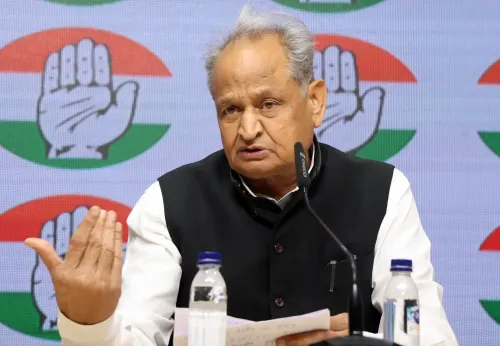
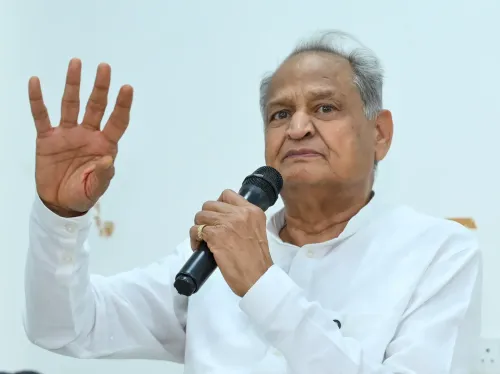
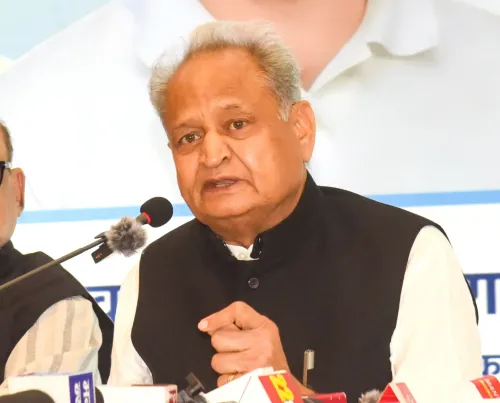
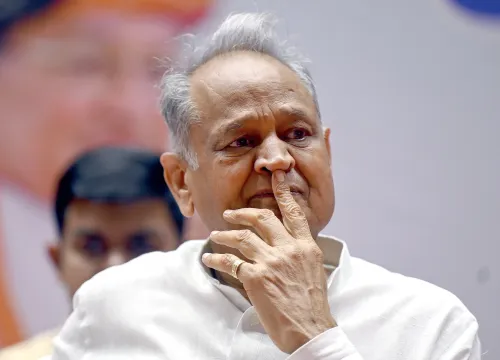
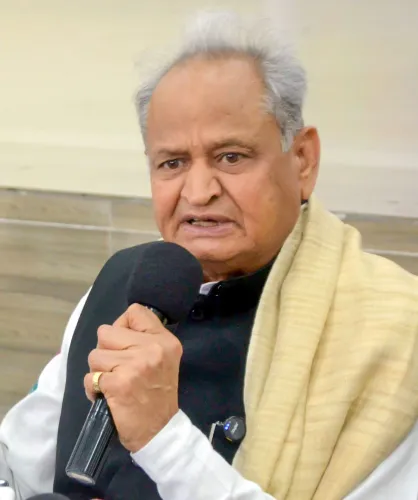
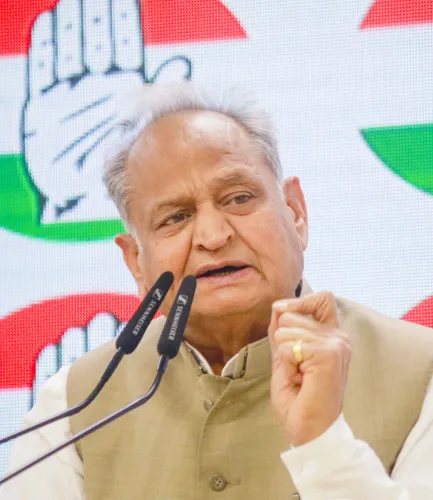
Former Rajasthan Chief Minister Ashok Gehlot on 5 October 2026 demanded the immediate resignation of Chief Election Commissioner Gyanesh Kumar, calling on Prime Minister Narendra Modi and Union Home Minister Amit Shah to intervene in what he described as a deepening crisis of credibility at the Election Commission of India (ECI). Gehlot's remarks came as the Supreme Court's observations on petitions challenging the Special Intensive Revision (SIR) of electoral rolls continued to generate political heat.
The Supreme Court's Role
The Supreme Court on Monday issued notices to the Election Commission and the Centre on petitions challenging the manner in which decisions were allegedly taken during the SIR exercise. The Court declined to pass an interim order suspending the Chief Election Commissioner but said it would examine the matter after receiving responses from the relevant authorities.
Gehlot pointed to two specific observations from the Court proceedings that he said were particularly significant: that ECI decisions must be taken unanimously or by majority, and that the Court had not approved any modified version of Form 6. He argued that these observations alone underscored why the controversy surrounding the Commission had reached a critical juncture.
Gehlot's Allegations Against the ECI
Gehlot alleged that the Commission's functioning under Gyanesh Kumar had raised serious questions about its impartiality, contrasting the current situation with the ECI's historically respected global standing. He noted that the poll body had in the past guided other countries on electoral conduct — a reputation he said was now under strain.
He also criticised what he described as the tone adopted by the Chief Election Commissioner toward opposition parties during a press conference, saying that the head of the country's electoral body was obligated to maintain respect toward all political parties. Referring to concerns raised earlier by Congress leader Rahul Gandhi regarding alleged irregularities in the electoral process, Gehlot said those concerns had not been given adequate attention at the time.
Concerns Over Electoral Roll Deletions
Gehlot raised alarm over the SIR exercise and its implications for voter inclusion, alleging that large numbers of names had been removed from electoral rolls. He expressed particular concern over the situation in West Bengal, where, he said, the scale of deletions warranted urgent scrutiny.
He also referred to an observation made during the Supreme Court proceedings — that voters unable to vote in one election could vote in the next — and said he found the underlying message troubling, regardless of the context in which it was offered. He argued that every eligible citizen's right to participate in elections must be protected without exception.
Call for Government Intervention
Gehlot questioned why Prime Minister Modi and Home Minister Shah had remained silent on the controversy. He said the Centre had both the responsibility and the standing to ensure Kumar's resignation so that the matter could be resolved and political energies redirected toward substantive work.
'The only thing left now is his resignation,' Gehlot said, adding that the credibility of the electoral system was too important to be left under a persistent cloud of controversy. He also questioned what signal India was sending to the international community at a time when domestic concerns about the electoral framework were multiplying.
With the Supreme Court set to examine the matter further and multiple legal challenges pending against the SIR exercise, the political pressure on the Election Commission — and the Centre — is unlikely to ease in the near term.
Point of View
A senior opposition figure is explicitly asking the Prime Minister and Home Minister to act against their own appointee — a pressure play that puts the government on the defensive regardless of the legal outcome. The Supreme Court's refusal to suspend the CEC while issuing notices is being read in two directions: as judicial restraint, and as a signal that the underlying questions are serious enough to warrant a full hearing. What is missing from the mainstream narrative is the systemic concern — the SIR exercise's implications for voter rolls in poll-bound states go well beyond the personality of any single commissioner. If large-scale exclusions are eventually confirmed, the credibility damage will outlast the current controversy by years.
NationPress
5 Oct 2026
Frequently Asked Questions
Why is Ashok Gehlot demanding CEC Gyanesh Kumar's resignation?
Gehlot has demanded Kumar's resignation over what he describes as serious questions about the Election Commission's impartiality and functioning, particularly in relation to the Special Intensive Revision of electoral rolls and the Supreme Court's observations on related petitions. He has also criticised Kumar's conduct toward opposition parties at a press conference.
What did the Supreme Court say about the Election Commission controversy?
The Supreme Court issued notices to the Election Commission and the Centre on petitions challenging decisions made during the SIR exercise, while declining to pass an interim order suspending the Chief Election Commissioner. The Court said it would examine the matter after receiving responses from the concerned authorities.
What is the Special Intensive Revision (SIR) of electoral rolls?
The SIR is an exercise conducted by the Election Commission to update and revise electoral rolls. It has come under legal challenge, with petitions alleging that decisions during the process were not taken in accordance with prescribed procedures, and with opposition leaders alleging large-scale deletion of voter names, including in West Bengal.
Why has Gehlot asked Modi and Amit Shah to intervene?
Gehlot argued that the Centre has the standing and responsibility to ensure the controversy is resolved by securing the CEC's resignation, and questioned why both the Prime Minister and Home Minister had remained publicly silent on the issue. He said the credibility of the electoral system was too important to be left under a cloud.
What concern did Gehlot raise about voter exclusions?
Gehlot alleged that large numbers of names had been removed from electoral rolls during the SIR exercise, with particular concern raised over West Bengal. He also took issue with a Supreme Court observation that voters who could not vote in one election could do so in the next, calling the underlying message problematic for voter rights.