Ashok Gehlot questions EC independence after commissioners dissent 14 times
Synopsis
Reports that two Election Commissioners formally dissented at least 14 times in 10 months — over voter-roll deletions and database access — have reignited the opposition's long-running challenge to the ECI's independence. Gehlot's intervention links the internal rift directly to the government's move to remove the Chief Justice from the EC appointment process, raising questions about institutional design that go well beyond partisan politics.
Key Takeaways
Former Rajasthan CM Ashok Gehlot questioned the Election Commission of India 's functioning on 23 September 2026 .
Election Commissioners Sukhbir Singh Sandhu and Vivek Joshi reportedly recorded objections at least 14 times over 10 months .
Concerns centred on voter registration , deletion of names from electoral rolls , and centralisation of the voter database .
The ECI denied decisions were taken without full Commission participation, calling all major rulings unanimous .
Gehlot also criticised the government's move to exclude the Chief Justice of India from the Election Commissioner appointment panel.
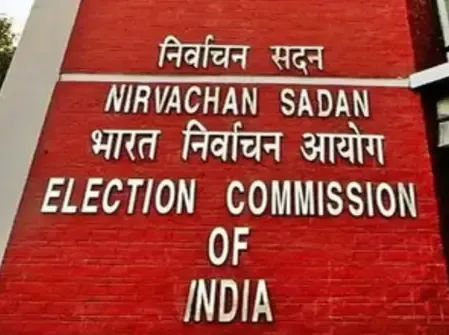
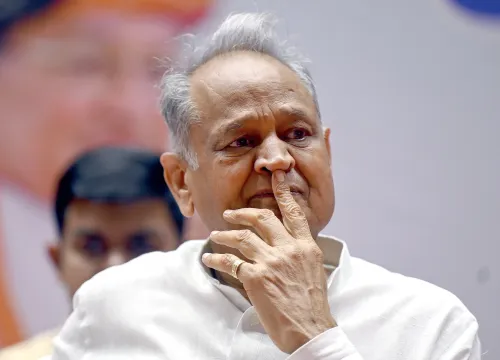
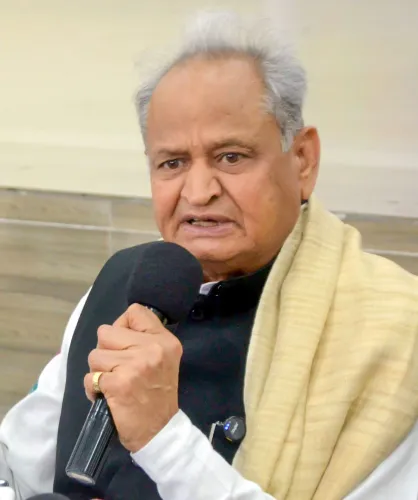
Former Rajasthan Chief Minister Ashok Gehlot on 23 September 2026 publicly questioned the functioning of the Election Commission of India (ECI), after reports emerged that Election Commissioners Sukhbir Singh Sandhu and Vivek Joshi had formally recorded objections to multiple decisions taken within the poll panel. The two commissioners reportedly raised concerns at least 14 times over the past 10 months, according to the report Gehlot cited.
What the Dissent Report Reveals
According to the report cited by Gehlot, the objections raised by Sandhu and Joshi spanned several sensitive areas: voter registration, deletion of names from electoral rolls, and the centralisation of access to the voter database. The two commissioners reportedly put their concerns on record, suggesting that significant decisions were taken without their knowledge or approval — a charge the ECI has disputed.
Gehlot's Remarks and Congress Angle
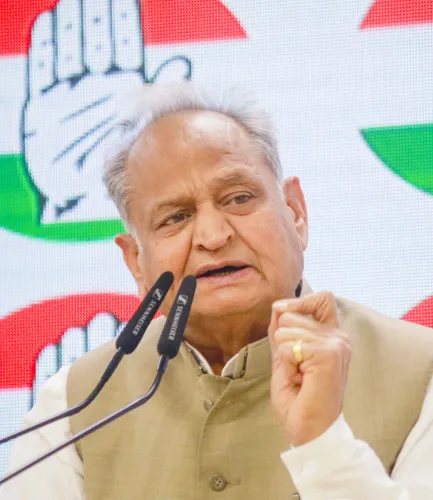
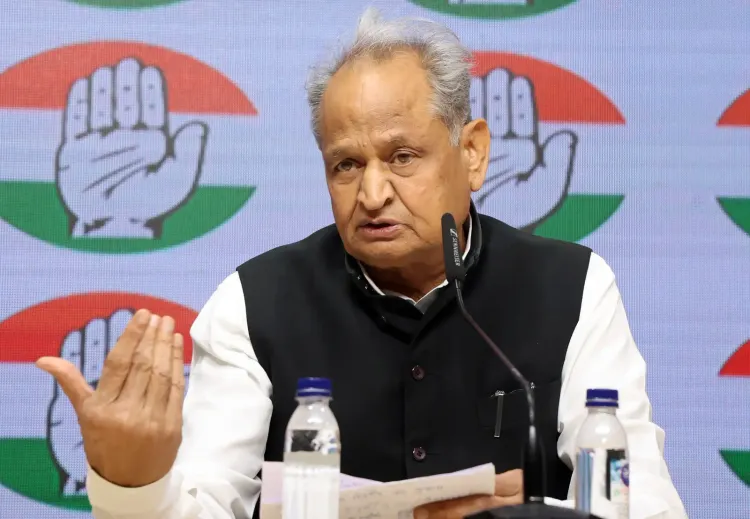
Gehlot argued that the internal dissent vindicated concerns that Congress leader Rahul Gandhi had repeatedly raised about the poll body's independence. “The entire country is aware of what is happening. There were concerns about the functioning of the Election Commission from the very beginning. Rahul Gandhi had repeatedly raised questions about the Election Commission, and now two of the Election Commissioners themselves have raised objections to decisions being taken within the Commission,” Gehlot said.
He described the matter as going beyond individual conduct and touching on the credibility of a constitutional institution. “If two members of the Election Commission are putting their objections on record and saying that important decisions were taken without their knowledge or approval, then this is a matter of serious concern. The country deserves to know how such decisions are being taken.”
Law on EC Appointments Under Scrutiny
Gehlot also trained his fire on the government's decision to amend the law governing the appointment of Election Commissioners, specifically the move to exclude the Chief Justice of India from the selection panel. He argued that such changes undermined the independence of constitutional bodies at a time when questions were already being raised from within the Commission itself.
“The independence of constitutional institutions is essential for democracy. When questions are being raised from within the Election Commission itself, these concerns cannot simply be ignored. There must be transparency and accountability,” he said.
ECI's Response
The Election Commission of India pushed back against the narrative in a response issued on Wednesday, rejecting the suggestion that its decisions were made without the full Commission's participation. The poll panel stated that differing views and observations were a normal part of institutional deliberations. It asserted that all major decisions over the past year — including those relating to electoral-roll revision and the Special Intensive Revision (SIR) — were unanimous decisions of the full Commission.
Why It Matters for Democratic Credibility
Gehlot warned that public confidence in the electoral process — particularly among younger voters — was at stake. “People, especially the younger generation, need to understand what is happening. Elections are the foundation of democracy. If people's confidence in the electoral process is weakened, it affects the credibility of the entire democratic system,” he said. This comes amid a broader national debate over institutional autonomy, appointment processes, and the independence of constitutional watchdogs. The row over internal dissent within the ECI is unlikely to recede quickly, with opposition parties expected to keep up pressure ahead of upcoming state elections.
Point of View
By definition, implies disagreement — and the fact that it was put on paper suggests it was not merely a routine exchange of views. What is missing from this debate is an independent mechanism to verify either side's account; the ECI is effectively adjudicating its own internal process. The removal of the Chief Justice from the appointment panel — regardless of its legal standing — has structurally reduced the insulation between the executive and a body that must appear autonomous to function. Opposition pressure alone will not resolve that architectural problem.
NationPress
23 Sept 2026
Frequently Asked Questions
Why is Ashok Gehlot questioning the Election Commission of India?
Gehlot cited a report that Election Commissioners Sukhbir Singh Sandhu and Vivek Joshi had formally recorded objections to decisions at least 14 times over 10 months, covering voter registration, electoral-roll deletions, and voter-database access. He argued this internal dissent validated long-standing Congress concerns about the ECI's independence.
What decisions did the Election Commissioners reportedly object to?
According to the report Gehlot referenced, the objections related to voter registration processes, the deletion of names from electoral rolls, and the centralisation of access to the voter database. The two commissioners allegedly put their concerns on record, suggesting they were not consulted on significant rulings.
How did the Election Commission respond to the dissent report?
The ECI rejected the suggestion that decisions were taken without full Commission participation. In a response issued on Wednesday, it said differing views were a normal part of institutional deliberation and asserted that decisions including those on electoral-roll revision and SIR were unanimous decisions of the full Commission.
What is the controversy over the Chief Justice of India's exclusion from the EC appointment panel?
The government amended the law governing the appointment of Election Commissioners and removed the Chief Justice of India from the selection panel. Critics including Gehlot argue the change undermines the independence of the poll body by reducing judicial oversight in the appointment process.
Why does this matter for Indian democracy?
The ECI is a constitutional body responsible for conducting free and fair elections. Any perception that internal deliberations are being overridden — or that appointments are being influenced by the executive — can erode public trust in the electoral process, which Gehlot warned is particularly significant for younger voters.