Is There a Global 'War on God'?
Synopsis
A recent House Foreign Affairs hearing revealed alarming trends in global religious freedom, highlighting the escalating persecution of faith communities by authoritarian regimes. With billions affected, the need for a robust US response is more critical than ever.
Key Takeaways
Religious freedom is declining globally, impacting billions.
Authoritarian regimes are increasingly suppressing faith communities.
The US needs to redefine its approach to religious freedom as a security concern.
China leads in implementing oppressive surveillance technologies against religious practices.
International cooperation is essential to combat these challenges.
Washington, Feb 6 (NationPress) During a joint hearing of the House Foreign Affairs Committee focused on protecting religious freedom, lawmakers issued a grave alert that authoritarian governments and extremist violence are intensifying a global crackdown on faith-based communities, while the United States' policy responses and enforcement mechanisms are insufficient to address the extent of this crisis.
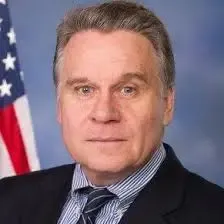
At the hearing titled “Defending Religious Freedom Around the World,” Congressman Christopher Smith emphasized that religious liberty—frequently referred to as “America’s first freedom”—is experiencing a global decline, with “billions of people” subjected to severe limitations that can result in “imprisonment, torture, and execution.”
Referencing the Open Doors 2025 World Watch List, Smith reported that “over 380 million Christians endure significant persecution and discrimination for their beliefs,” further stating that “antisemitism is surging, not only in the Middle East but also across Western democracies, including the United States.”
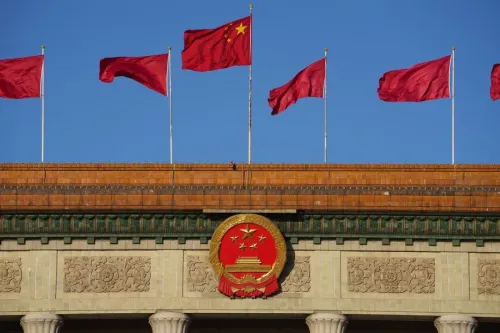
Smith pointed out that “tyrannical regimes such as China, Russia, Nicaragua, North Korea, Belarus, and Cuba” aim to suppress religious communities, contending that these governments are “terrified of allowing their citizens to express themselves and practice their faith.”
Former US ambassador-at-large for international religious freedom, Sam Brownback, informed lawmakers that an emerging coalition of authoritarian nations now perceives faith as “the most significant internal threat to their dictatorial power.”
“This alliance of communist and totalitarian regimes will stop at nothing to dominate people of faith,” Brownback declared, urging Congress to regard religious freedom as not merely a humanitarian issue but a vital security concern.
“If we approach religious freedom not as a peripheral humanitarian concern,” he advised, “but as a major global security challenge… it represents, in my opinion, the most effective tool we possess to confront these regimes.”
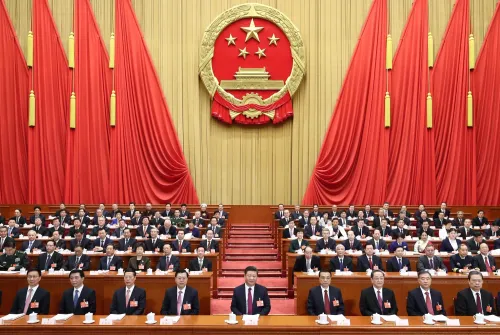
Brownback accused China of spearheading this repression, asserting that Beijing has allocated “billions of dollars” to develop the most advanced surveillance technology in history and has shared this with other authoritarian governments to help manage religious communities.
A poignant moment of the hearing came from Grace Jin Drexel, the daughter of detained Chinese pastor Ezra Jin, who characterized the situation as the largest crackdown on an independent Christian congregation in China since the Cultural Revolution.
“On October 10, 2025, my father Pastor Ezra Jin was apprehended by Chinese authorities alongside 27 other pastors and church leaders from Zion Church,” she recounted. “Currently, 18 remain imprisoned.”
Drexel noted that many church leaders were taken “in front of their young children” and urged lawmakers to demand the immediate and unconditional release of all detainees.
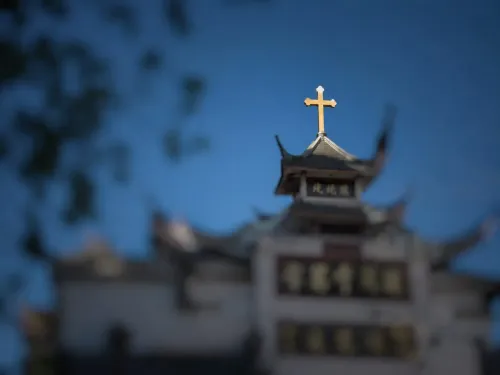
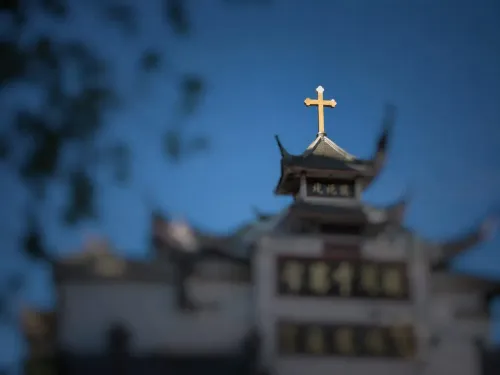
She asserted that the crackdown is part of a wider initiative under President Xi Jinping to bring all religious practices under state control, which includes compelling churches to install surveillance systems, removing religious symbols, and replacing them with images of Communist Party leaders.
“Sinicization in practice involves facial recognition cameras, tracking who is worshiping, and the government selecting church leaders and dictating theology,” she explained.
Drexel also described what she termed transnational repression associated with her advocacy, including threats, surveillance, and harassment directed at her family in the United States.
Former US Commission on International Religious Freedom chairman Stephen Schneck cautioned that the global crisis is closely linked to the decline of liberal democracy and the ascendance of authoritarianism, stating that religious freedom has increasingly been “subordinated to transactional foreign policy.”
Schneck warned that reductions in foreign aid programs have diminished support for civil society and defenders of religious freedom, thereby undermining US credibility on the international stage.
Point of View
It is our responsibility to highlight the urgent concerns raised about religious freedom worldwide. This issue transcends borders and demands a strategic response from the US to safeguard fundamental human rights, emphasizing the importance of international cooperation in defending these principles.
NationPress
3 Oct 2026
Frequently Asked Questions
What is the current state of religious freedom globally?
The hearing highlighted a decline in religious freedom, with billions living under oppressive regimes that impose severe restrictions on faith practices.
Which countries are most affected by this crackdown?
Countries like China, Russia, North Korea, and Cuba are noted for their severe suppression of faith communities.
What is the role of the US in defending religious freedom?
The US is urged to take a more proactive stance in defending religious freedom as a strategic security issue rather than a peripheral concern.
How does authoritarianism relate to religious freedom?
Authoritarian regimes often view faith as a threat to their control, leading to increased repression of religious practices.
What actions can be taken to support persecuted communities?
Advocacy for policy changes, increased foreign aid to support civil society, and international pressure on authoritarian regimes are critical actions.